Working the Summer Calendar, Not a Contractor's Calendar
School and campus roofs on this coast have a narrow window to get real work done. Between the end of the spring semester and the first day back in August, a district or a college has to fit inspections, repairs, and any full replacements into roughly ten weeks, and that window shrinks further once summer school and athletic programs claim parts of it.
Why the Calendar Drives Everything
A leak over an occupied classroom during the school year is disruptive in a way it isn't during summer break, both because of the students in the room and because moving a class to a different space midyear creates its own logistics problem for the school. We treat active leaks during the school year as urgent regardless of season, but we plan any project requiring tear-off, full replacement, or heavy equipment access strictly around the summer window unless the district's facilities director asks otherwise.
Getting on a district's schedule early matters more for roofing than almost any other trade, because the same ten-week window is being fought over by HVAC replacement, flooring, and every other major maintenance project the district is trying to complete before students return. We start planning summer projects with facilities directors months ahead, not weeks.
Funding Cycles and Bond Projects
Public school roof replacements around Gulfport and Biloxi typically move through a district's capital budget or a bond program, which means the timeline between identifying a failing roof and getting funded approval to replace it can stretch across more than one budget year. We provide the kind of documented condition assessment, photos, and cost estimates that a district can carry into a board meeting or a bond proposal, well beyond a bare pass or fail note.
Where a full replacement is still working through funding approval, we lay out what an interim repair or coating approach can realistically extend, and for roughly how long, so a facilities director isn't caught by a failure before the bond funding clears. Districts around the Gulf Coast have leaned harder on bond programs since the coastal wind and hail history here makes annual insurance premiums a growing line item on top of the roofing cost itself, which sometimes pushes a board toward funding replacement sooner than the roof's raw age would suggest.
College Campus Scheduling Is Different
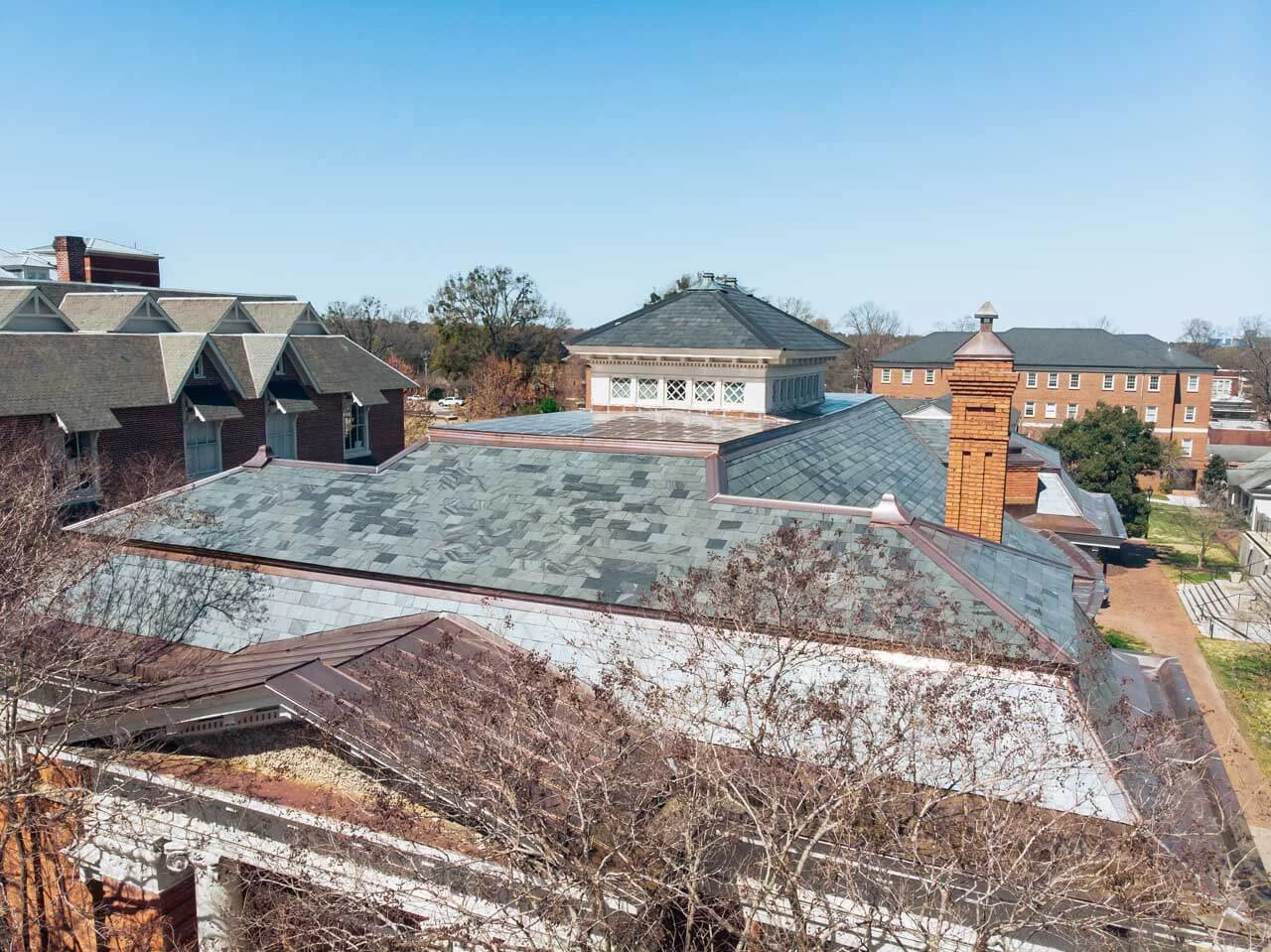
Community college and university campuses in this area, including facilities that run summer sessions and year-round programs, don't have the same clean semester break a K-12 district does. We coordinate with campus facilities staff on which buildings actually clear out during summer versus which ones keep running programs, since a campus roof schedule often has to be built building by building rather than applied to the whole campus at once.
Dormitories, athletic facilities, and administrative buildings on a campus each have their own occupancy patterns through the summer, and treating a college campus like a single K-12 school with one shared break tends to create scheduling conflicts that could have been avoided with better coordination up front.
- Summer-window scheduling coordinated months ahead with facilities staff
- Documented condition reports formatted for board and bond review
- Interim repair guidance while replacement funding works through approval
- Building-by-building scheduling on campuses without a single clean break
- Fall-ready completion dates that account for weather delay margin
- Safety fencing and access control around active work near occupied buildings
Safety and Access Around Students
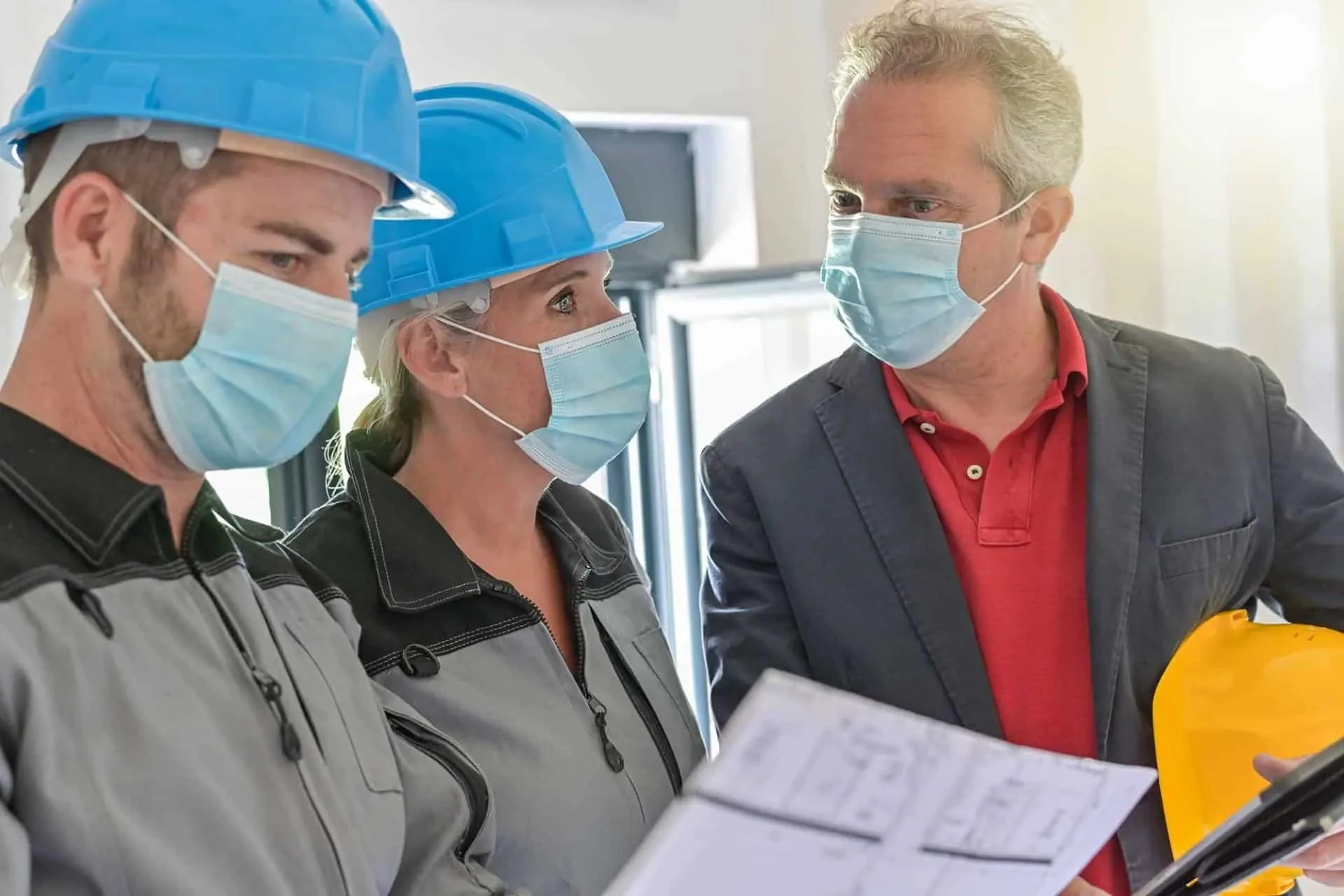
Even during summer break, athletic camps, summer school, and facilities staff keep parts of a campus occupied. We fence and secure active roof work areas, control material staging away from walkways students and staff use, and coordinate daily access windows with the district so roofing equipment isn't sitting where it creates a hazard or an obstruction.
For work that has to happen during the school year, typically an emergency repair rather than a planned project, we schedule around drop-off, dismissal, and recess times so roofing activity doesn't overlap with the times students are moving through exterior spaces near the building.
Building Types Across a District
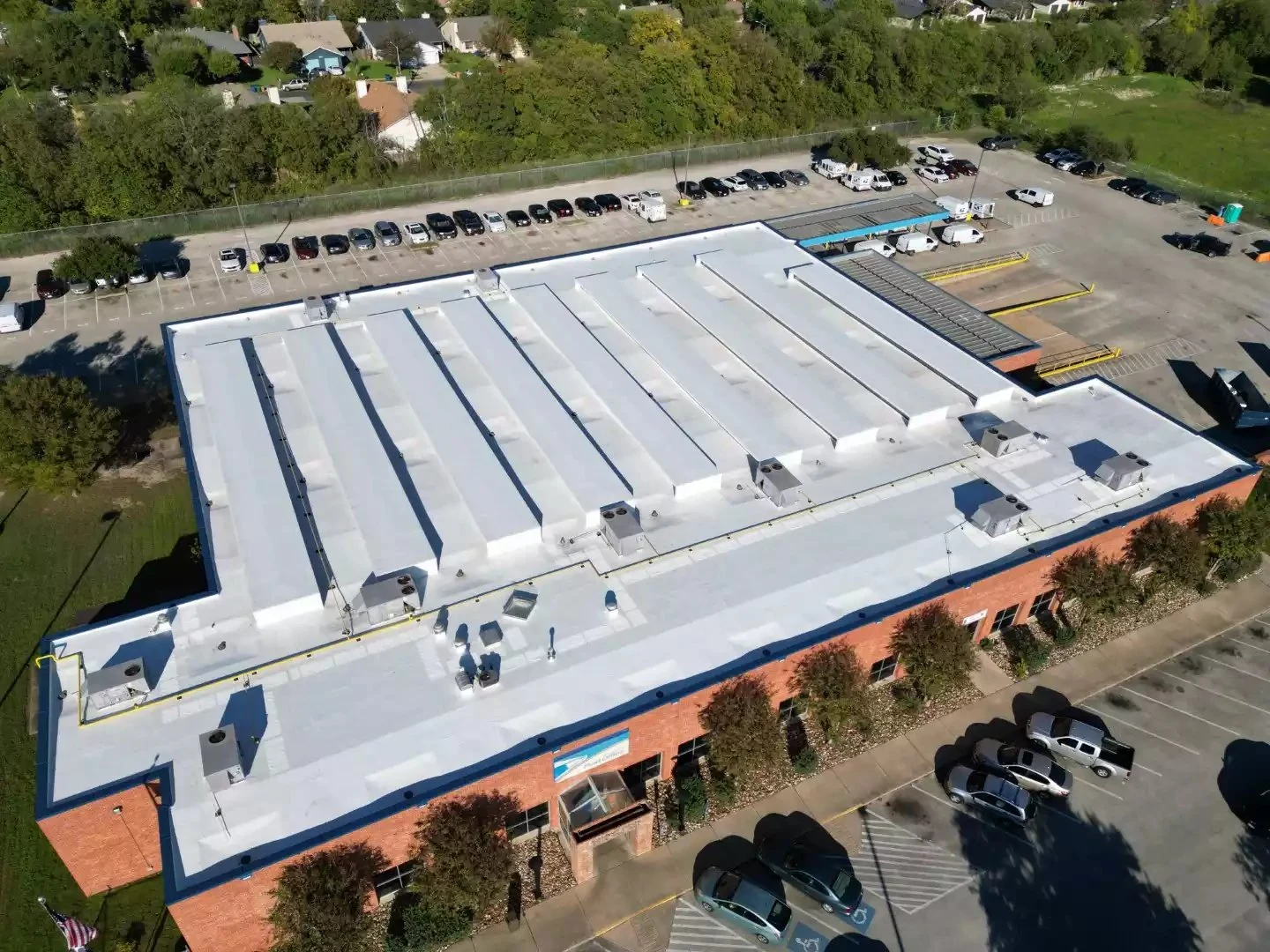
A district's roof inventory usually spans flat built-up or single-ply membrane over classroom wings, metal roofing over gymnasiums and cafetorium spaces, and sometimes older sections that have been patched repeatedly rather than properly repaired. We assess each building type on its own terms rather than applying one maintenance plan across a whole district's varied roof stock.
Questions Facilities Directors and Campus Planners Ask Us
Can you guarantee our roof project finishes before school starts in August?
We build the schedule with weather delay margin specifically to protect that completion date, and we start planning early enough that the margin is real, not tight.
Do you provide documentation we can bring to a bond program or board meeting?
Yes, our condition assessments and cost estimates are formatted specifically for that kind of funding review rather than an internal maintenance note.
What if our replacement funding doesn't come through before the roof fails further?
We'll be direct about what an interim repair can buy in extra time, so you have a realistic bridge plan while funding works through approval.
Can you work around our summer school and athletic programs?
Yes, we coordinate building by building with your facilities staff to find the actual windows of low occupancy rather than assuming the whole campus is empty.
How do you keep students safe around an active roofing project?
We fence and secure work areas, control material staging away from walkways, and coordinate daily access with your staff so equipment isn't creating a hazard near occupied spaces.