Documenting Storm Damage the Way an Adjuster Can Use It
Every commercial building owner on this coast has learned the same lesson at some point: a claim gets approved or delayed based on the quality of the documentation behind it as much as the size of the hole in the roof. We can't promise how an insurer will rule on a claim, but we can make sure the evidence we hand over is thorough enough to give an honest scope its best chance.
What We Document, and Why It Matters
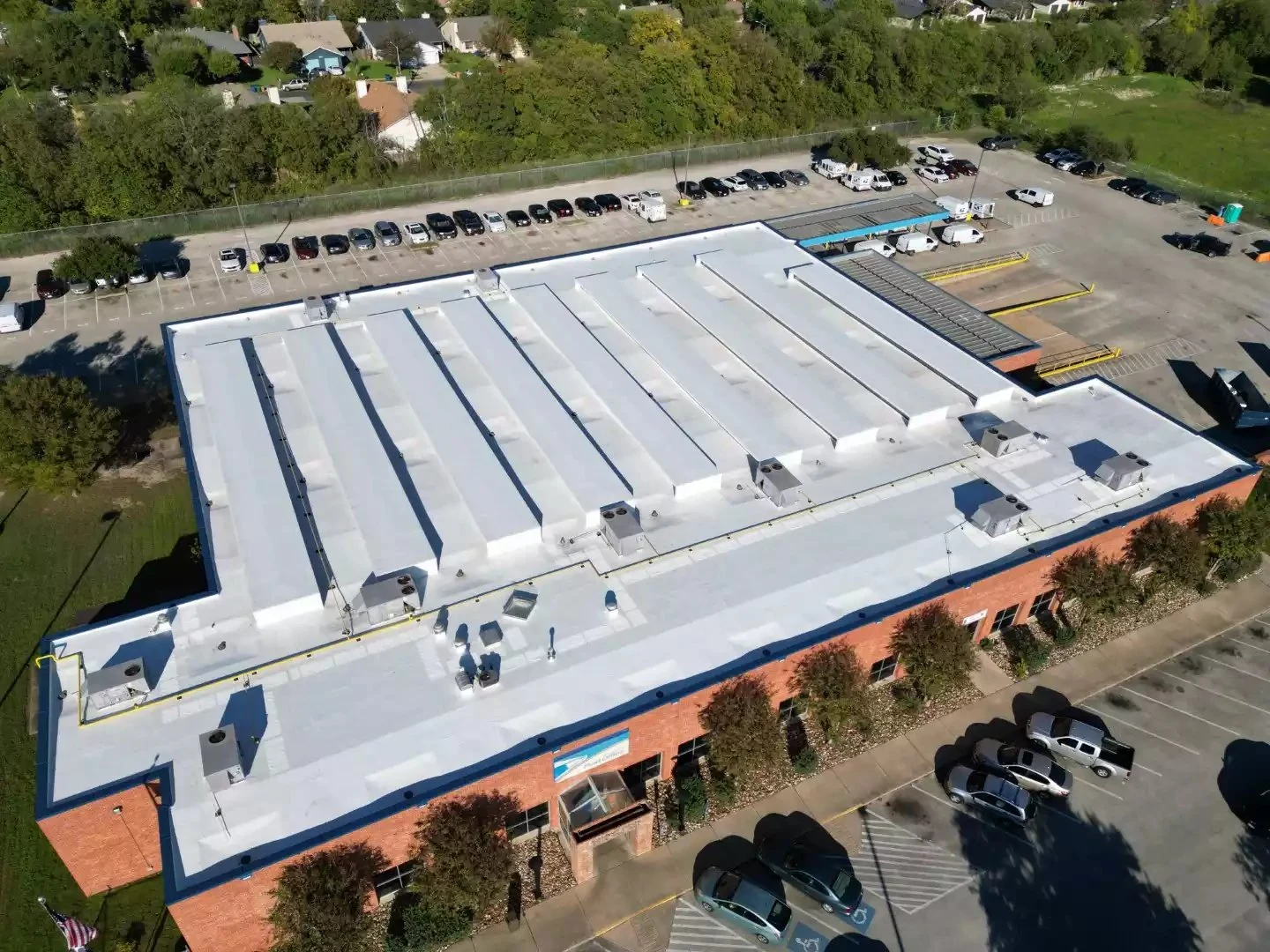
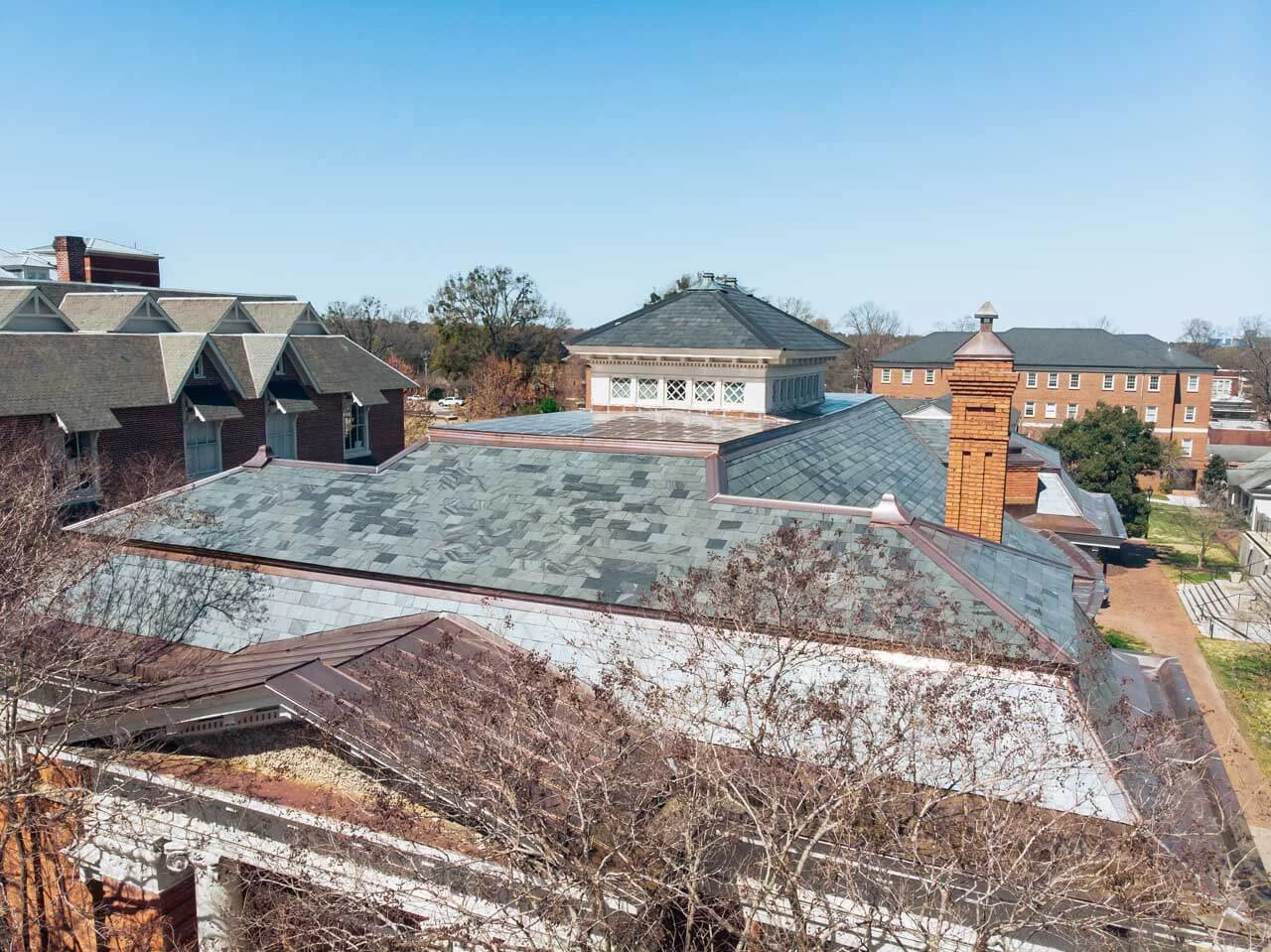
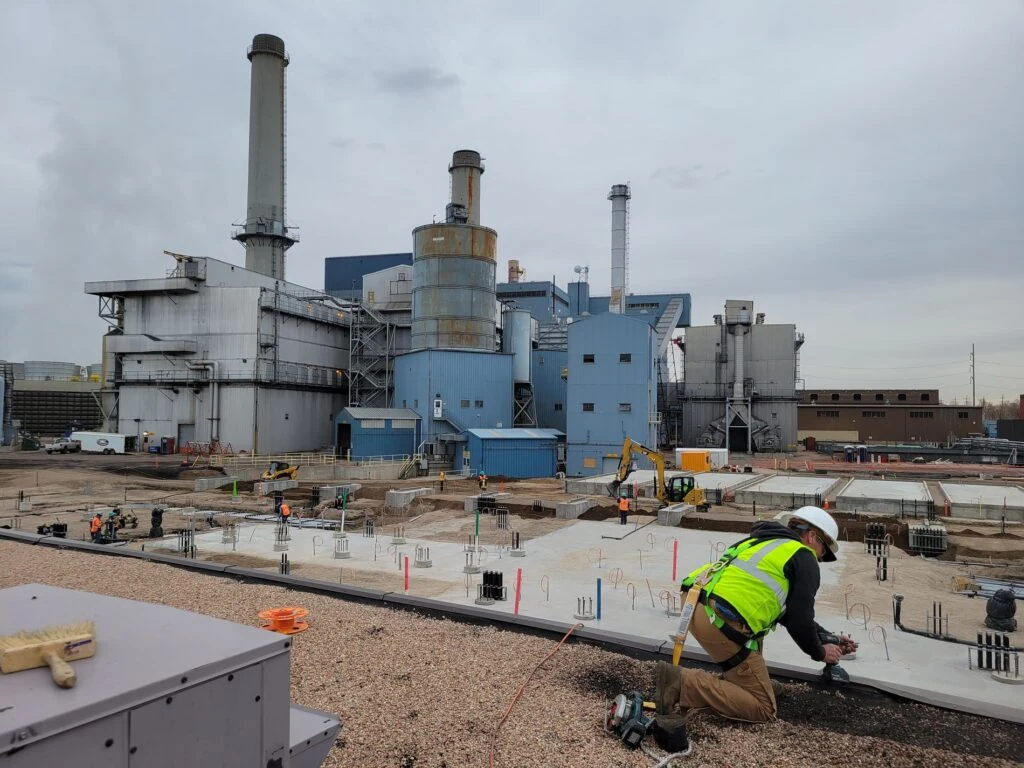
After wind or hail damage, we photograph the roof systematically: overall context shots, close-ups of individual damage points, and reference photos showing scale, all time-stamped and organized by roof section. We record moisture readings wherever water intrusion is suspected, beyond the visible damage alone, because the areas that look fine from the ground are sometimes where a claim gets contested later.
We keep the scope factual. Our reports describe what we found on the roof deck, membrane, and flashing, and what repair or replacement that condition calls for under standard roofing practice. We don't inflate a scope to influence a claim outcome, and we don't speculate about what an adjuster or the insurer will decide. That decision belongs to the carrier alone. Our part is limited to giving an accurate account of the roof's physical condition, which is the piece we can control and stand behind.
Wind, Hail, and Water Intrusion on This Coast
Named storms bring the most attention, but plenty of damage on Gulfport and Biloxi roofs comes from straight-line wind events and hail that never make the news. Wind-driven rain finds its way under lifted membrane seams and around edge metal that's lost its fastening, and it can travel a surprising distance from the actual entry point before it shows up as a stain on a ceiling below.
We look for the entry point, not the visible symptom alone. A stain in the middle of a warehouse doesn't necessarily mean the leak started directly above it, and a scope that only addresses the ceiling location without finding the actual roof failure tends to leave the building exposed to the same damage in the next storm. Wind-driven rain on this coast can travel along a deck seam or a purlin for several feet before it finds a way through the interior finish, which is why we trace the path rather than stopping at the first visible sign.
Emergency Dry-In Before the Paperwork Catches Up
When a roof takes damage severe enough to let active water into the building, protecting the interior comes before any conversation about claims. We can get an emergency tarp or temporary dry-in in place to stop ongoing water intrusion, then document that emergency work separately from the permanent repair scope, since insurers typically want to see mitigation costs itemized on their own.
Acting fast on emergency protection also limits secondary damage, which matters for the claim itself. A roof leak that's allowed to keep running for days can turn a roof-only claim into a roof-and-interior-buildout claim, and that complicates the process for everyone involved.
- Time-stamped photo documentation by roof section
- Moisture readings at suspected intrusion points, beyond visible damage alone
- Factual repair scopes tied to observed conditions, not claim strategy
- Emergency tarp and dry-in service to limit secondary damage
- Separate documentation for mitigation costs versus permanent repair
- Coordination with adjusters and public adjusters on scope walkthroughs
Working Alongside Adjusters and Public Adjusters
We'll walk a roof with a carrier's adjuster or with a public adjuster the owner has hired, pointing out what we found and answering direct questions about roofing conditions and code requirements. We stay in our lane during that walkthrough. Our job is to give an accurate technical account of the roof, not to argue the claim on the owner's behalf.
Where current building code requires more than a like-for-like repair, such as updated wind uplift or fastening standards on a re-roof, we note that clearly in the documentation, since code-driven upgrade costs are a common point of confusion in commercial claims.
Repeat Exposure and Preventive Documentation
Owners who've been through one storm claim often ask us to establish a baseline roof condition report before the next season starts, so there's a clear before-and-after record if damage occurs. That kind of pre-storm documentation, dated and specific to the current roof condition, tends to make the next claim process move faster because there's less ambiguity about what existed before the event.
Questions Owners and Property Managers Ask Us
Will you help us get our claim approved?
We can't influence or guarantee a carrier's decision. What we provide is thorough, factual documentation of the roof's condition and damage, so your claim is supported by accurate evidence.
How fast can you get emergency tarping in place after a storm?
We prioritize active water intrusion calls immediately after a storm event, ahead of routine scheduling, because limiting secondary damage matters for both the building and the claim.
Do you work with public adjusters?
Yes, we'll walk the roof with a public adjuster the owner has retained and provide the same factual technical account we'd give a carrier's adjuster.
What if the insurer disputes part of our roofing scope?
We'll clarify or expand our documentation with additional evidence if a specific finding is questioned, but we don't adjust a scope to fit a desired outcome.
Should we document our roof before storm season even if nothing's happened yet?
It's worth considering. A dated, specific baseline record makes any future claim easier to support because there's less argument about pre-existing condition.