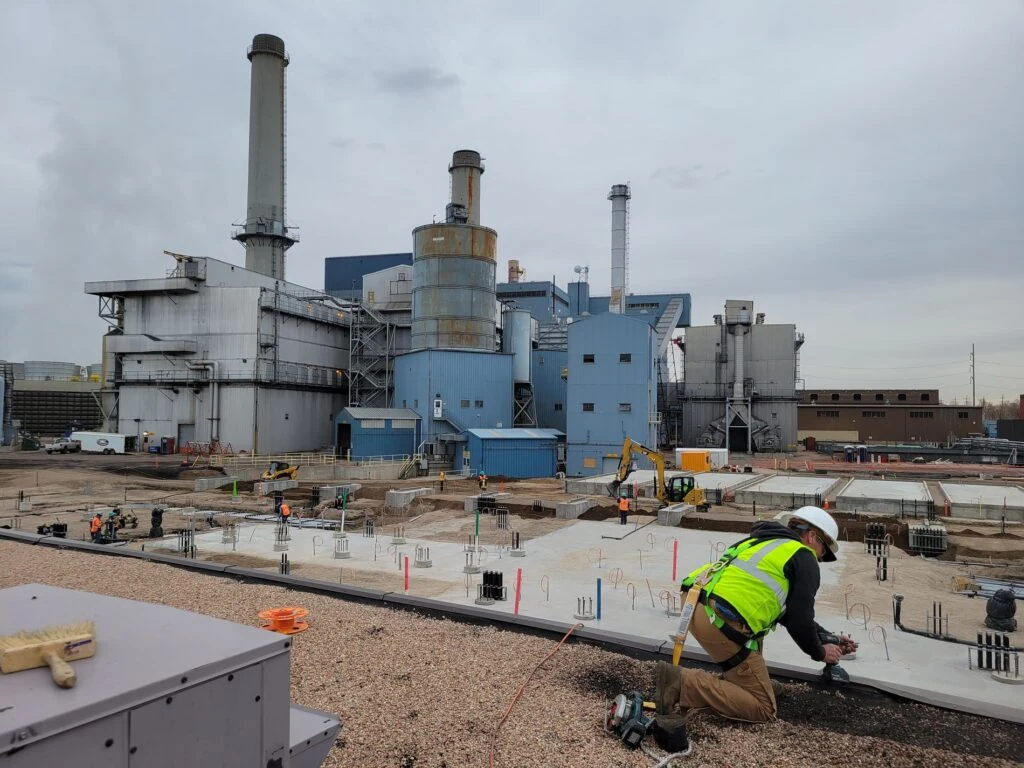
Keeping Plant Roofs Sound Around Corrosive Air and Process Heat
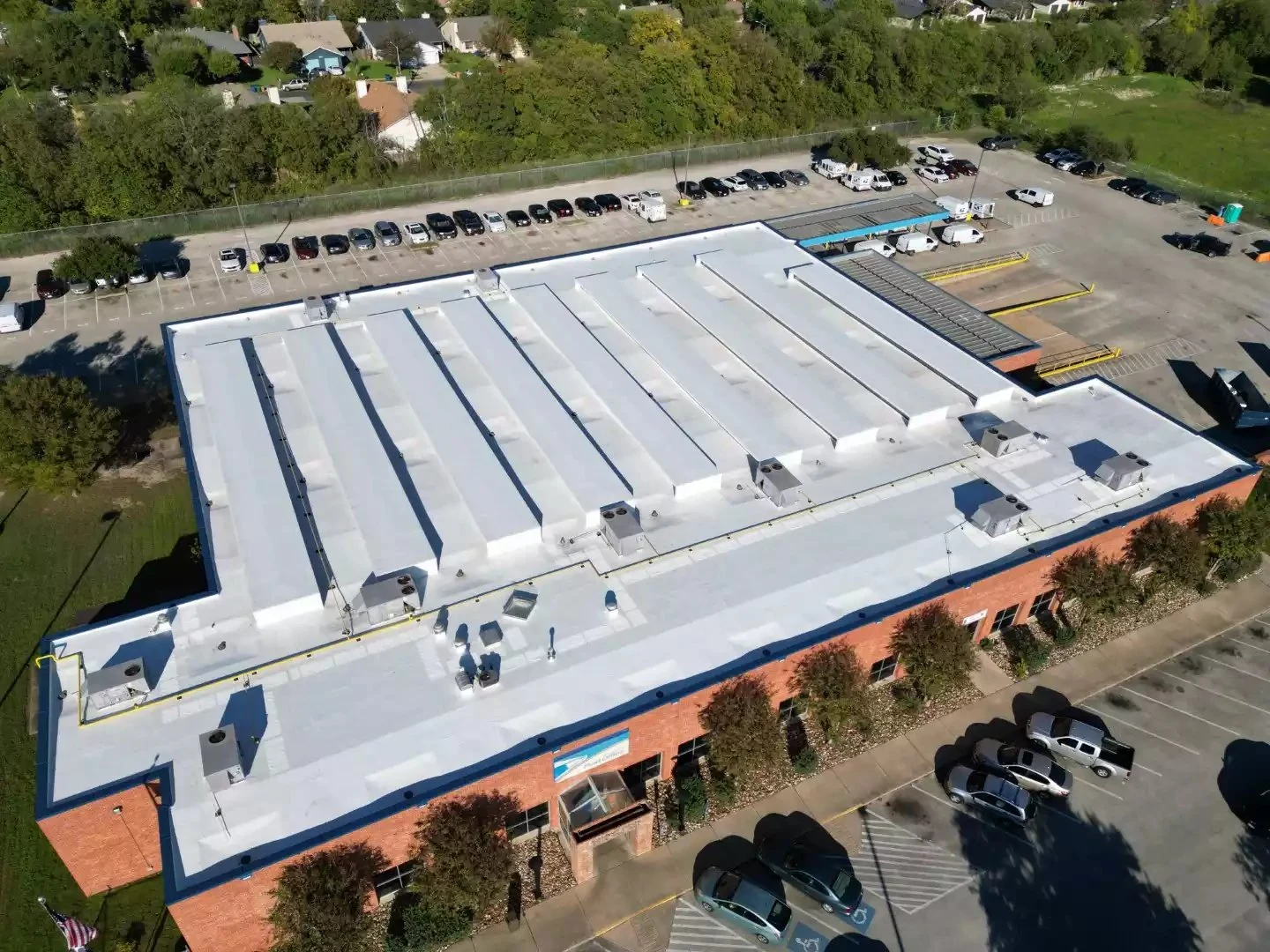
Manufacturing and heavy-industrial roofs along the coast between Gulfport and Pascagoula deal with problems that a retail strip mall roof never sees. Chemical vapor, welding heat, and salt-laden marine air all attack a membrane in different ways, and a leak over a production line costs a lot more than the square footage it covers.
The Corridor We Work In
This stretch of the coast carries real industrial weight, from the shipyard cranes at Ingalls in Pascagoula to the refinery stacks along the ship channel and the chemical processing operations further east near DeLisle. Each of these sites has roof areas that sit close to process equipment, and each has its own combination of airborne exposure that a standard coating specification wasn't written for.
We treat an industrial roof inspection differently than a retail one. Instead of just checking membrane wear and drainage, we're looking at how close the roof deck sits to exhaust stacks, whether there's chemical residue building up on the surface, and whether previous coating work was matched to what's actually in the air at that site.
Chemical Exposure and Coating Selection
Not every roof coating holds up to the same chemical load. A membrane that performs fine on an office building a mile inland can degrade fast under a plant's process vent or near a loading area where spills happen. Silicone and certain modified bitumen systems resist chemical exposure better than others, but the right choice depends on what's actually venting or spilling onto that specific section of roof, not a blanket answer for the whole facility.
We also look at how salt air compounds chemical exposure on coastal industrial sites. A roof that's fighting both airborne chlorides from the Gulf and process fumes from the plant next to it ages faster than either condition alone would explain, and a coating spec that ignores one of the two exposures tends to fail early.
Working Inside an Active Facility
Access to an industrial roof usually means safety orientation, badging, and coordination with plant security before a single ladder goes up. We plan for that lead time rather than treating it as a surprise, and we build hot-work permits and fire-watch requirements into the schedule up front when a job involves torch-applied modified bitumen or any heat source near a process area.
Unplanned downtime is the real cost driver on a manufacturing roof. A leak over a production line, a control room, or stored raw material can shut down operations far beyond the footprint of the actual water intrusion. We sequence repair and re-roofing work to keep critical areas covered first, and we stage material and equipment where it won't block loading docks or emergency egress routes the plant depends on.
Steep-Slope Metal Over Production Buildings
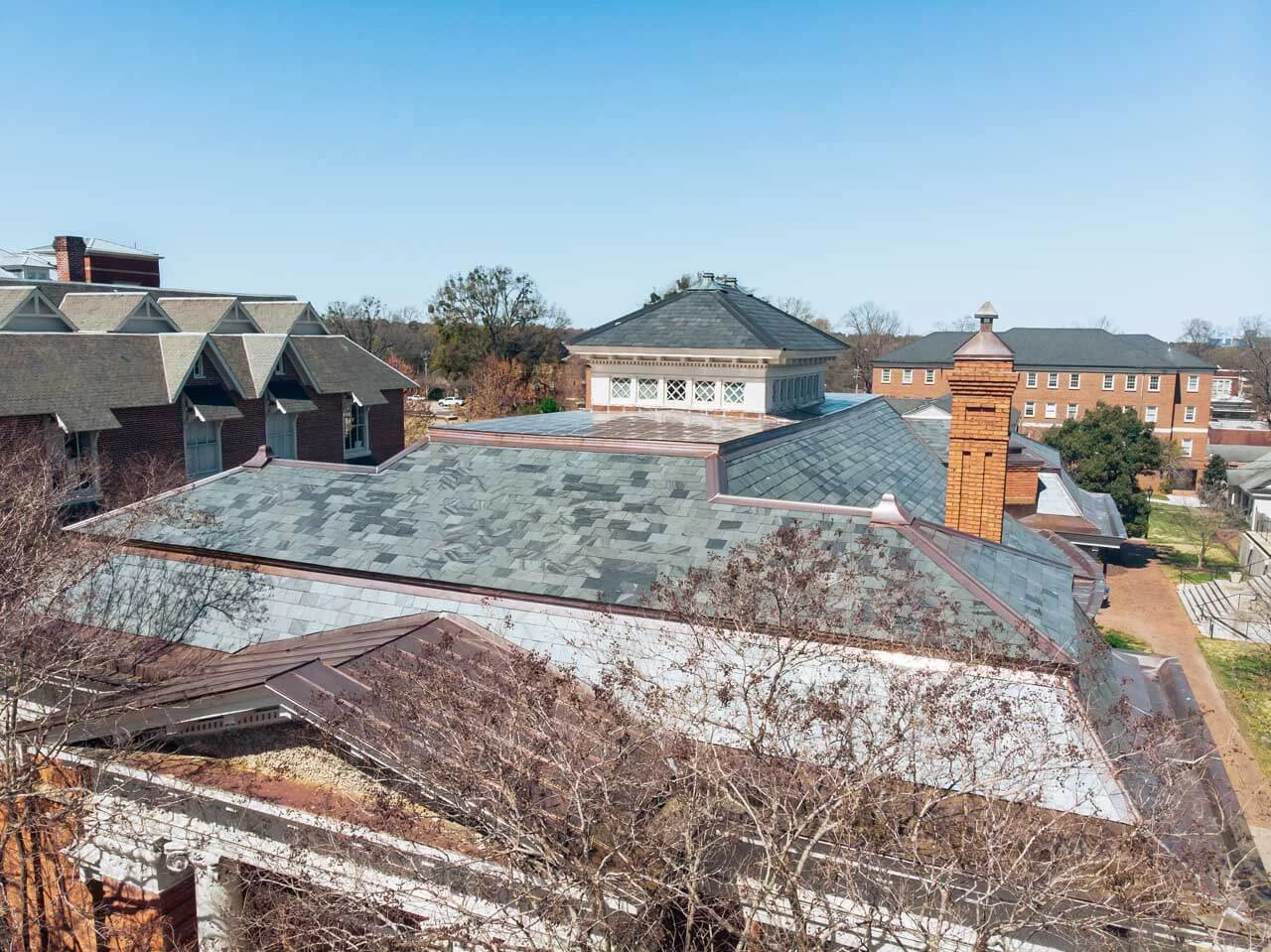
A lot of the manufacturing and warehouse stock in this corridor uses insulated metal panel systems or steep-slope metal roofing rather than a flat membrane, especially on older process buildings. These systems fail in different ways than low-slope membranes do, usually starting at fastener backout, ridge and valley flashing, or panel seams that have loosened from years of vibration near heavy equipment.
We inspect metal roofs on industrial sites for the specific failure patterns that show up near compressors, generators, and other vibration sources, because a fastener pattern that holds up fine over quiet warehouse space can work loose faster over a section that shakes all day.
- Process vent and exhaust stack penetrations with chemical residue buildup
- Fastener backout on metal panels near vibrating equipment
- Coating degradation from combined salt-air and chemical exposure
- Loading dock canopy transitions where forklift traffic damages low-slope edges
- Drainage capacity on large flat roofs during heavy coastal rain events
Planning Around Turnarounds and Shutdowns
Plants schedule planned maintenance turnarounds and shutdown windows well in advance, and roof work that requires full access or heavier equipment usually fits better inside one of those windows than during normal production. We ask about a facility's shutdown calendar early in the planning conversation so major work can align with it instead of fighting production schedules.
For sites that can't shut down, we plan around the plant's active hours and hot zones instead, working sections that are farthest from live process areas first and saving anything requiring a process shutdown for a window the facility controls.
Questions Plant and Facility Managers Ask Us
Can you work on our roof without a full shutdown?
In most cases, yes. We sequence work around active process areas and only ask for a shutdown window on sections that require it for safety reasons.
How do you handle hot work permits on an industrial site?
We build fire-watch staffing and permit lead time into the schedule before the job starts, and we coordinate directly with your safety office rather than treating it as a last-minute step.
What roof coating holds up best to chemical exposure?
It depends on what's actually in the air at your site. We evaluate the specific exposure, including any combined salt-air factor, before recommending a system rather than defaulting to one product for every plant.
Why does our roof seem to fail faster than a similar building further from the coast?
Salt-laden marine air accelerates corrosion and membrane breakdown on top of whatever process exposure the building already has, which is why coastal industrial roofs often need shorter inspection intervals than the same building type inland.
Do you coordinate with plant safety and security for site access?
Yes. We plan for badging, orientation, and any facility-specific access requirements ahead of the job so crews aren't losing productive time on the first day.