One Roofing Contact for a Portfolio, Not One Call Per Property
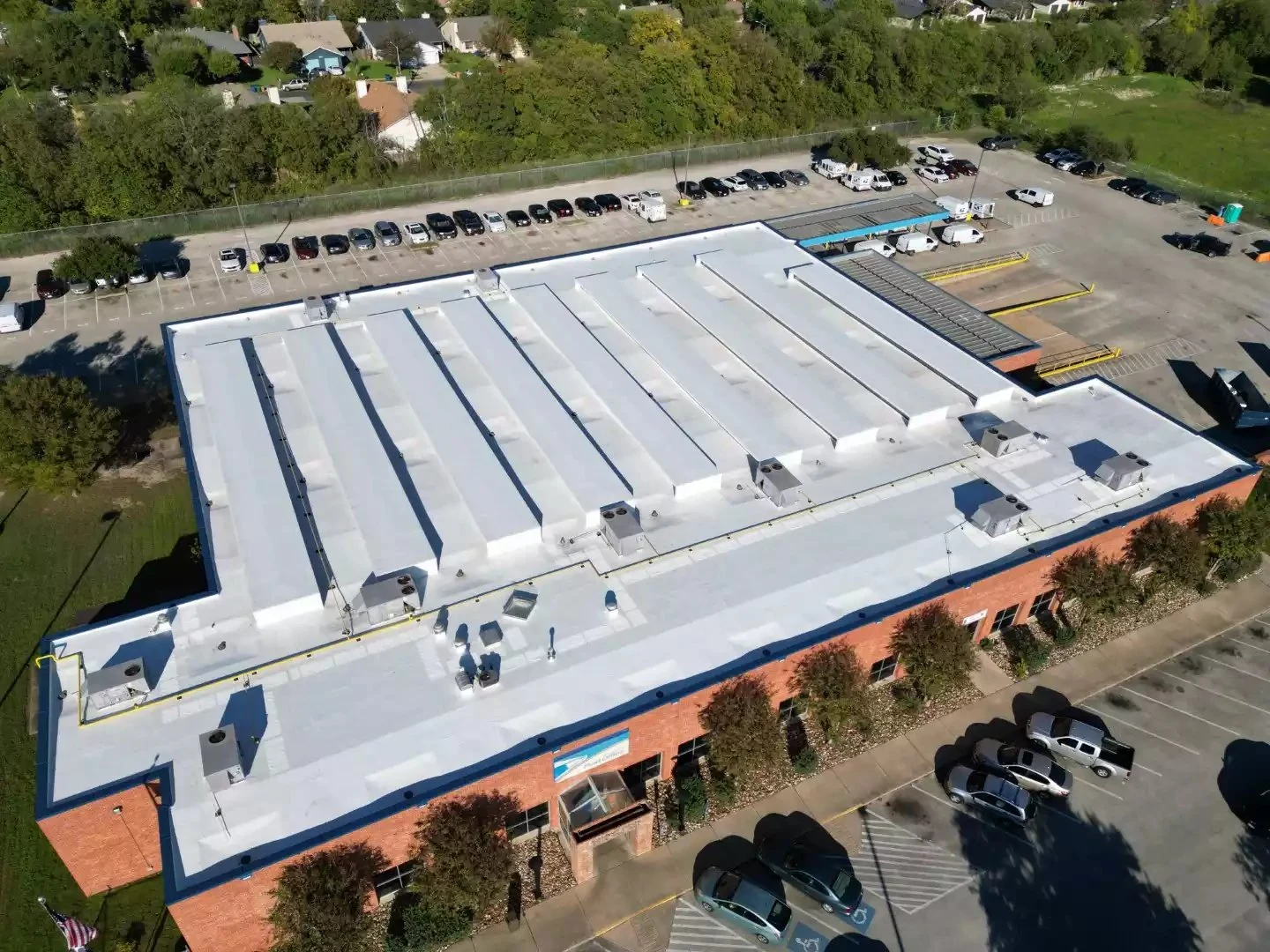
Managing roofs across a scattered portfolio of retail strips, office buildings, and light-industrial space along the coast means juggling different ages, different membrane types, and different owners with different tolerances for spending. A property manager doesn't need eight different roofing vendors with eight different reporting formats and eight different opinions about what's urgent. They need one contact who can speak to the condition of the whole portfolio at once.
Managing Coast Portfolios Between Storm Seasons
A management company covering properties from Gulfport out to D'Iberville and Ocean Springs is usually dealing with roofs installed in different decades under different owners, some maintained well and some deferred for years before the current management took over. Treating every property as a one-off inspection means the firm never gets a real picture of total roof liability across the portfolio, and that makes budget conversations with ownership harder than they need to be.
We build a standing inventory across a managed portfolio: age, membrane type, remaining service life estimate, and known problem areas for every roof, updated on a set inspection cycle rather than only when a tenant calls about a leak. That inventory becomes the tool a property manager brings into an owner or investor review instead of a loose stack of individual repair invoices.
Reporting That Supports a Capex Conversation
Property managers answer to ownership groups, and those groups think in capital planning terms: what needs to be spent this year, what can wait, and what the reserve fund needs to cover three years out. We format our inspection reports around that need, ranking roofs by urgency and giving realistic cost ranges rather than vague condition notes that don't translate into a budget line.
When a roof is borderline, we're direct about what a repair or coating program can buy in extra service life versus what only a full replacement solves. That distinction matters when a manager is deciding whether to recommend spending reserve funds now or scheduling replacement into next year's capital plan. It also matters when the roof in question sits over a property with a lease renewal coming up, since a tenant weighing a renewal decision often asks about the building's condition directly.
Scheduling Around Occupied Tenant Space
Most of the properties in a management portfolio have occupied tenants who didn't sign up for roofing noise over their storefront during business hours. We coordinate repair and maintenance scheduling with the property manager's tenant relations team, timing louder work for off-hours where the lease and tenant mix allow it, and giving enough notice that a tenant isn't surprised by a crew on the roof above their space.
Retail strips along US-90 and the Highway 49 corridor bring their own scheduling constraints, since a leak affecting one tenant's storefront needs a fast response that doesn't disrupt the tenants on either side. We prioritize active leak calls within an occupied strip differently than we would a routine inspection on a vacant building.
- Standing portfolio inventory tracking age and remaining roof life by property
- Urgency-ranked reporting formatted for owner and capex review
- Consistent pricing and scope documentation across every property in the portfolio
- Off-hours scheduling for occupied retail and office buildings
- Fast response prioritization for active tenant-affecting leaks
- Warranty tracking across properties with different install dates
Consistency Across Ownership Changes
Commercial property on this coast changes hands more often than the roofs do. A management company that takes over a new property mid-portfolio often inherits incomplete or missing roof records from the prior owner. We can perform a baseline assessment on newly acquired properties quickly, so the manager has an accurate starting point instead of relying on whatever documentation, or lack of it, came with the transfer.
Keeping consistent documentation format across a portfolio, regardless of when each individual property joined it, makes it much easier for a management company to compare properties side by side when ownership asks which roofs are the priority.
Warranty and Maintenance Program Tracking
Different roofs in a portfolio carry different warranty terms, and many warranties require documented maintenance to stay valid. We track which properties are under warranty, what maintenance those warranties require, and flag it before a lapse in scheduled maintenance puts coverage at risk, since a voided warranty on an older roof can turn a manageable repair into a full replacement decision the owner didn't plan for.
What Gulf Coast Property Managers Want Answered
Can you manage roof inspections across our whole portfolio on one schedule?
Yes, we set a standing inspection cycle across all managed properties and report on the whole portfolio in a consistent format rather than one-off visits.
How do you format reports for our ownership group's budget review?
We rank findings by urgency with realistic cost ranges, built for a capex planning conversation rather than a generic pass or fail inspection note.
Can you work around our tenants' business hours?
Yes, we coordinate louder work for off-hours where the lease allows it and give tenants advance notice through your property team.
We just took over a property with no roof records. Can you help?
We can perform a baseline condition assessment quickly so you have an accurate starting record instead of relying on whatever documentation came with the transfer.
Do you track warranty maintenance requirements for us?
Yes, and we flag any property approaching a maintenance requirement before a missed service puts the warranty at risk.