Sika Sarnafil PVC Membrane and Induction-Welded Attachment
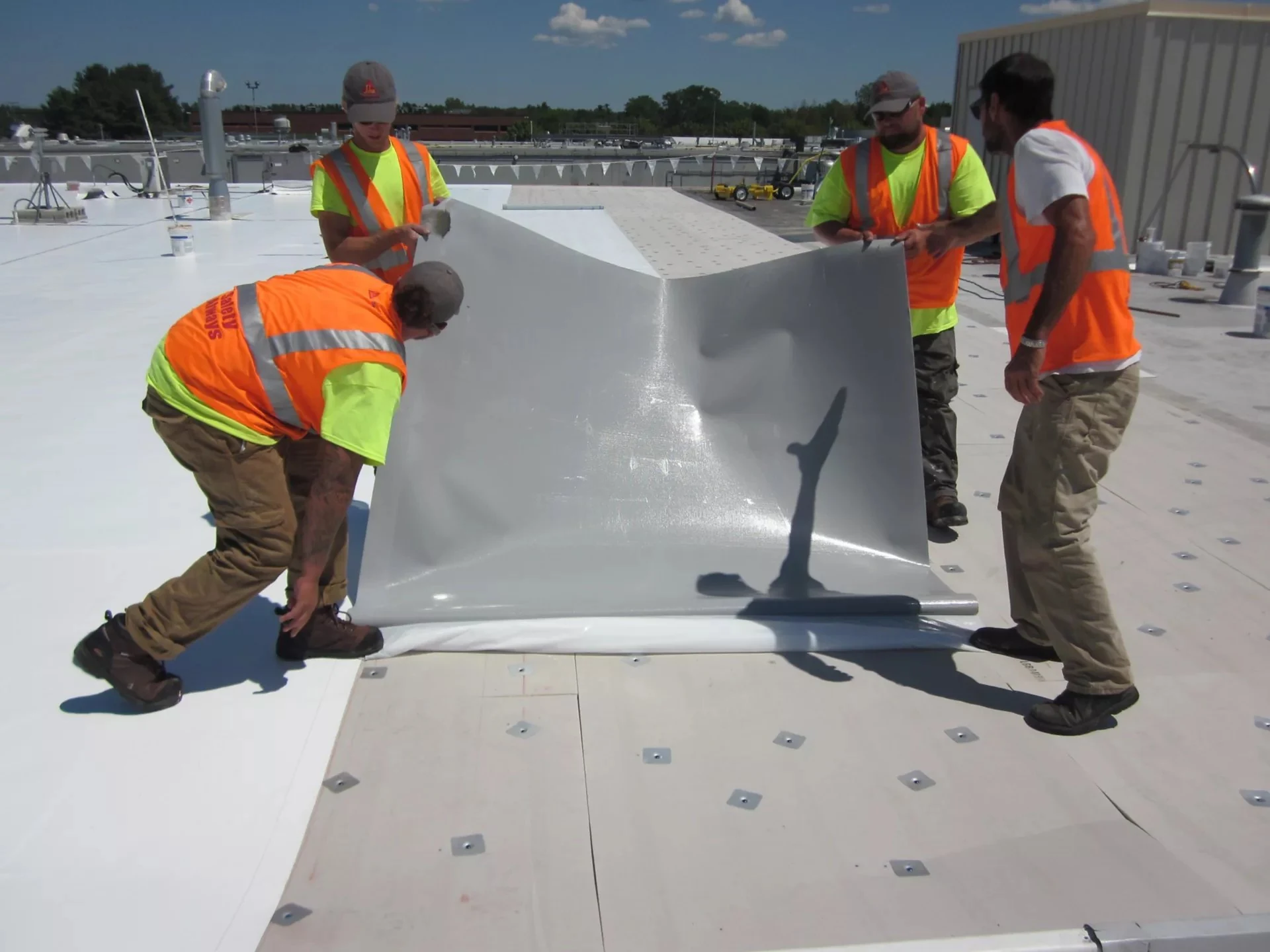
Sarnafil is a PVC membrane line with one of the longer track records in the single-ply category, now operating under Swiss chemical and building-materials company Sika following the acquisition of the Sarnafil business. The line's signature is reinforced PVC membrane with a distinct grid-pattern reinforcement scrim, and it's the manufacturer most associated with RhinoBond induction-welded attachment, a fastening method that changes how the roof resists wind uplift compared to standard mechanical fastening.
Sarnafil's PVC Product Line
Sika Sarnafil's core commercial product is reinforced PVC membrane, offered in multiple thicknesses and attachment methods, including mechanically fastened, fully adhered, and RhinoBond induction-welded systems. PVC's chemical resistance makes it a common recommendation for restaurant kitchen exhaust exposure, light-industrial buildings with oil or grease contact, and roofs adjacent to fuel handling, the same category of exposure where any PVC product, regardless of manufacturer, tends to outperform standard TPO.
RhinoBond: A Different Way to Resist Wind Uplift
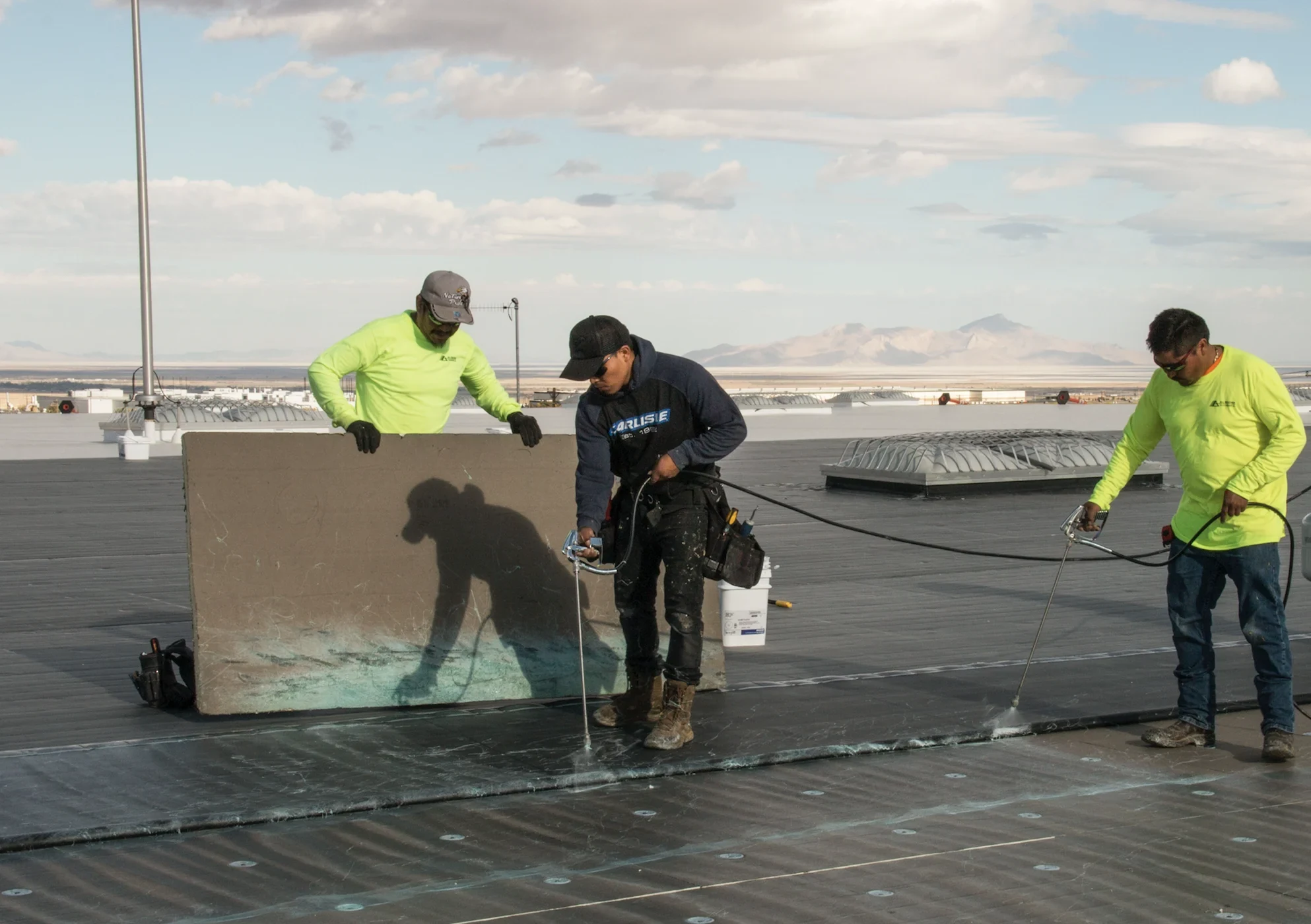
RhinoBond attaches PVC membrane to specially coated fastener plates using an induction-welding tool that bonds the membrane directly to the plate through heat rather than a mechanical seam or exposed fastener. That creates a different distribution of holding points across the field compared to standard mechanical fastening, and it eliminates exposed fastener heads that can become a maintenance point over time. For buildings in higher wind-exposure categories along this coast, RhinoBond-attached assemblies are one option we evaluate specifically for their tested wind-uplift performance.
As with any attachment method, RhinoBond's actual wind rating depends on the specific tested assembly, plate spacing, membrane thickness, insulation type, not the technology's name alone. We pull the tested assembly data for any RhinoBond system under consideration before presenting it as an option for a specific roof.
Where Sarnafil PVC Fits a Gulfport Project
We consider Sika Sarnafil systems in situations including:
- Restaurant or food-service buildings with kitchen exhaust exposure where PVC's chemical resistance is the deciding factor
- Light-industrial buildings near the port with oil, grease, or fuel-handling exposure
- Higher wind-exposure buildings where RhinoBond's tested induction-welded attachment fits the required uplift rating
- Roofs where eliminating exposed mechanical fasteners reduces long-term maintenance points
- Recover projects where a fully adhered or RhinoBond system suits the existing substrate condition
- Owners specifically evaluating PVC against TPO for a chemical-exposure or long-service-life priority
UV, Salt Air, and Long-Term Performance
Sarnafil's reinforced PVC handles Gulf Coast UV exposure well over a long service life, and the membrane's chemical formulation resists degradation from the grease and light-industrial exposure it's most often specified for. Salt air has minimal direct effect on the PVC membrane itself; the corrosion consideration on a coastal roof, as with any system, sits in the fasteners, plates, and edge metal, which we spec with marine-grade corrosion resistance regardless of manufacturer.
Evaluating Sarnafil Against Other PVC Manufacturers
Sika Sarnafil is one of several manufacturers producing PVC membrane systems we evaluate for Gulf Coast buildings with chemical or grease exposure. The choice between Sarnafil and another PVC manufacturer comes down to the specific tested assembly's wind-uplift rating for the building's exposure category, attachment method preference, and practical factors like material availability, not brand history alone.
Sika's Broader Materials Business, and Why That's Relevant
Sika is a global chemical and building-materials company whose product range extends well beyond roofing membrane into concrete admixtures, sealants, and waterproofing products used across construction. Owners occasionally recognize the Sika name from products used in other parts of a building project before connecting it to the Sarnafil roofing line, since the acquisition folded a long-established membrane brand into a much larger parent company.
What that scale means practically for a roofing project is straightforward: a large parent company generally supports consistent manufacturing and distributor availability for the membrane line, which matters for sourcing matched components on a repair or recover project years after the original installation. It doesn't change how we evaluate the specific Sarnafil product against a building's requirements, that comparison still comes down to the tested assembly data, not the parent company's size.
For buildings that have used other Sika waterproofing or sealant products elsewhere in a construction or renovation project, staying within the same manufacturer's ecosystem for the roof can simplify coordination between trades, though we still evaluate the Sarnafil membrane itself on its own tested performance rather than defaulting to it for that reason alone.
Questions Owners Ask About Sika Sarnafil Products
What makes RhinoBond different from standard mechanical fastening?
RhinoBond bonds the membrane directly to coated fastener plates through induction welding rather than exposed mechanical fasteners, changing the wind-uplift distribution across the field and removing exposed fastener heads as a maintenance point.
Is Sarnafil PVC better than TPO for restaurant roofs?
PVC's chemical formulation generally resists grease and kitchen exhaust exposure better than standard TPO, which is why it's a common recommendation specifically for restaurant buildings, not a universal upgrade for every roof type.
Is RhinoBond rated for hurricane wind uplift?
Specific RhinoBond assemblies carry tested wind-uplift data that can meet high-wind requirements, but the rating depends on the exact plate spacing and membrane specification, which we confirm against your building's exposure category.
Does Sarnafil PVC cost more than standard TPO?
Generally yes, PVC membrane typically costs more than TPO, which is why we only recommend it when the building's chemical exposure or specific performance requirement justifies the difference.
How long does Sarnafil PVC membrane last on a coastal roof?
With proper installation and drainage, reinforced PVC commonly performs for 20 years or more, and the membrane's chemical resistance can extend service life specifically in the harsh-exposure conditions it's most often chosen for.