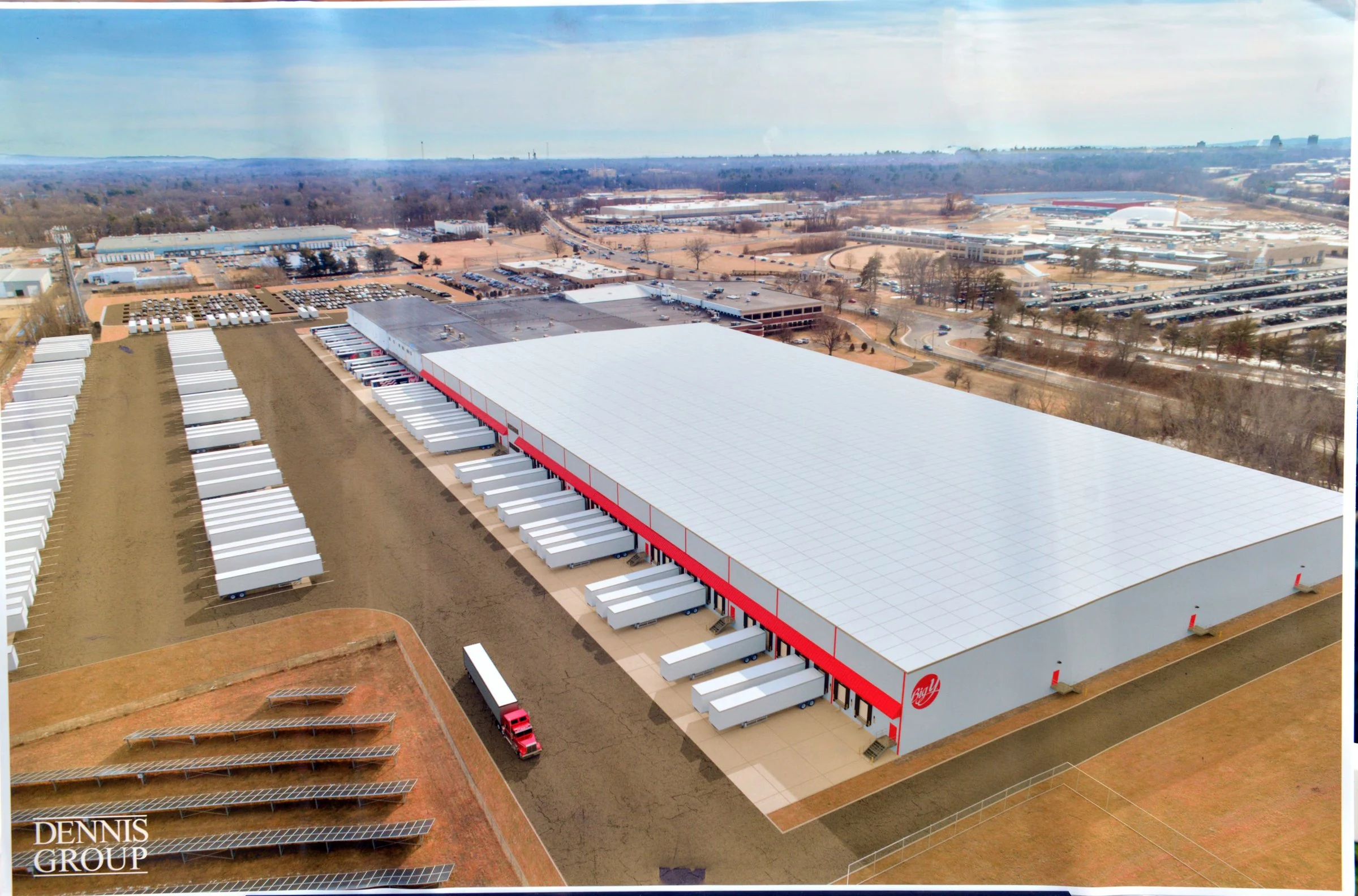
Roofs on the Logistics Buildings Feeding the I-10 Corridor
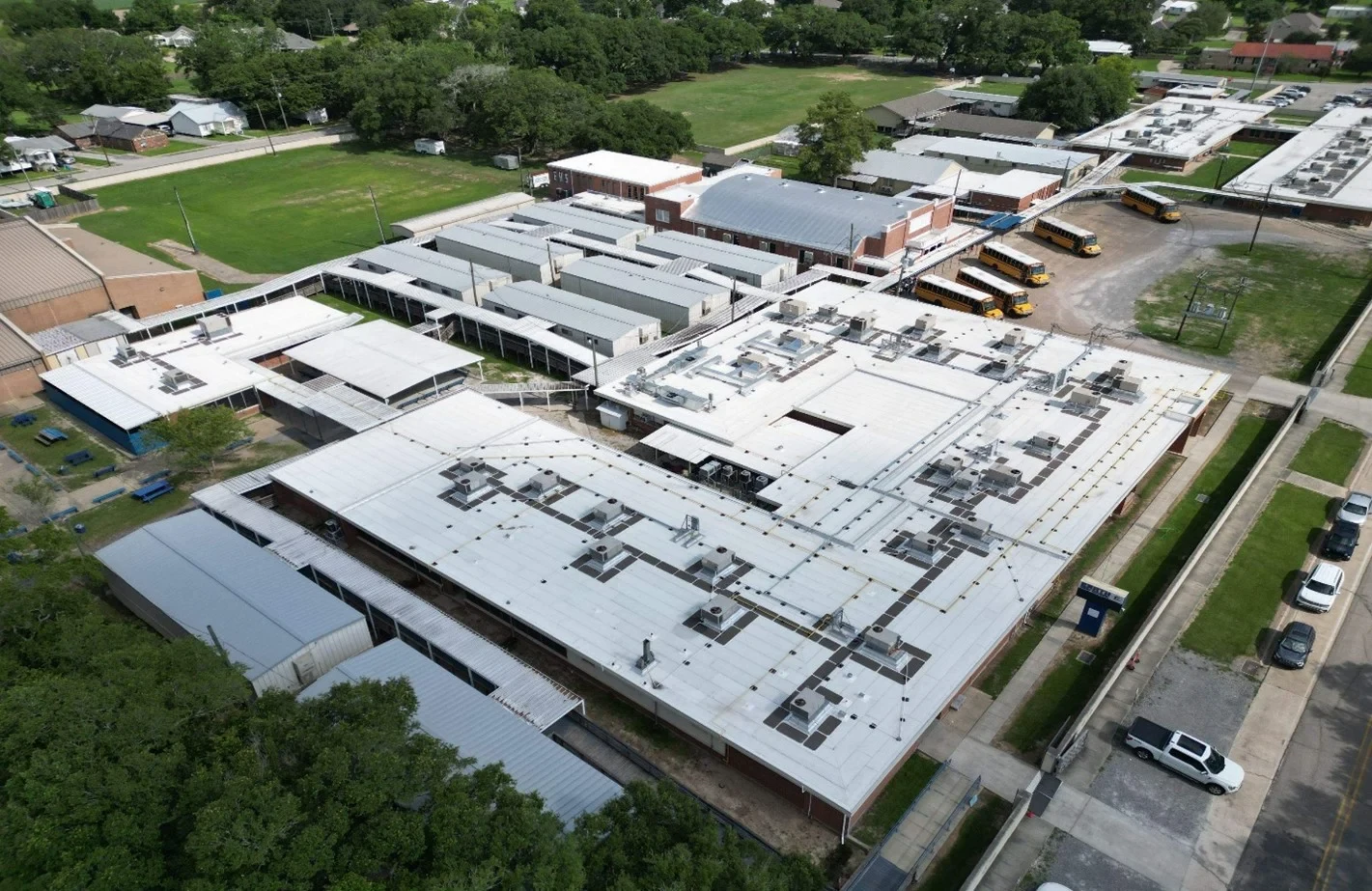
Freight moving through the Port of Gulfport and along the I-10 corridor keeps a cluster of distribution centers running on tight schedules, and the roof over that operation doesn't get downtime to spare. A distribution center roof problem becomes a supply chain issue the moment it interrupts loading dock operations, on top of whatever it costs to fix.
Downtime Tolerance Drives Every Decision
A distribution center running scheduled trucks in and out on tight windows can't absorb a closed dock door or a section of warehouse floor roped off for water damage. That reality shapes how we plan every distribution center project, from the order material gets staged to how tear-off sections get sequenced relative to dock activity.
We ask what the facility's actual throughput schedule looks like before proposing a project timeline, not after. A center running peak volume during a particular season needs work scheduled around that peak, not squeezed in regardless of the operational calendar.
Skylights, Smoke Vents, and Large-Field Penetrations
Distribution centers typically run more roof-mounted skylights and smoke vents than a standard warehouse, both for natural light over the floor and for code-required smoke evacuation in large open storage areas. Each one is a penetration and a potential leak point, and on a facility this size, a handful of failed skylight seals can add up to a significant water intrusion problem across the floor below.
We inspect skylight and smoke vent flashing as a standard part of any distribution center roof assessment, since these components fail well ahead of the field membrane and are often the actual source of a leak that gets misattributed to the roof system broadly.
Drainage Capacity Against Real Storm Intensity
Large low-slope roof fields on distribution buildings depend entirely on internal drains keeping pace with rainfall, and Gulf Coast storm cells can drop rain faster than a drainage system sized to average annual rainfall was ever designed to handle. Ponding water adds dead load to the structure and accelerates membrane wear at standing-water zones.
We check drain and scupper capacity against actual coastal storm intensity, not textbook rainfall averages, and flag undersized drainage before it becomes a structural concern rather than after.
What a Distribution Center Roof Plan Includes
- A tear-off sequence coordinated with the facility's dock schedule and peak throughput periods
- Skylight and smoke-vent flashing inspection and replacement plan
- Drain capacity verification against Gulf Coast storm intensity
- Wind-uplift fastening calculated by zone for the roof's full perimeter and field
- Interior protection protocol for inventory and racking below any open section
- A dry-in standard at the end of every work shift during hurricane season
Coordinating With Facility and Logistics Managers
Distribution center projects require closer coordination with operations staff than most commercial roofing jobs, since dock scheduling changes week to week based on freight volume. We stay in contact with the facility's operations lead throughout a project rather than working off a fixed schedule set before the job started, adjusting sequencing when volume shifts require it.
Storm-Season Planning for Logistics Buildings
A distribution center that loses roof integrity during a storm doesn't just face repair costs, it faces a shipping delay that ripples through whatever supply chain depends on that facility. We prioritize storm-season readiness on logistics accounts specifically because the downstream cost of an outage extends well past the building itself.
Leased Buildings and Third-Party Operator Coordination
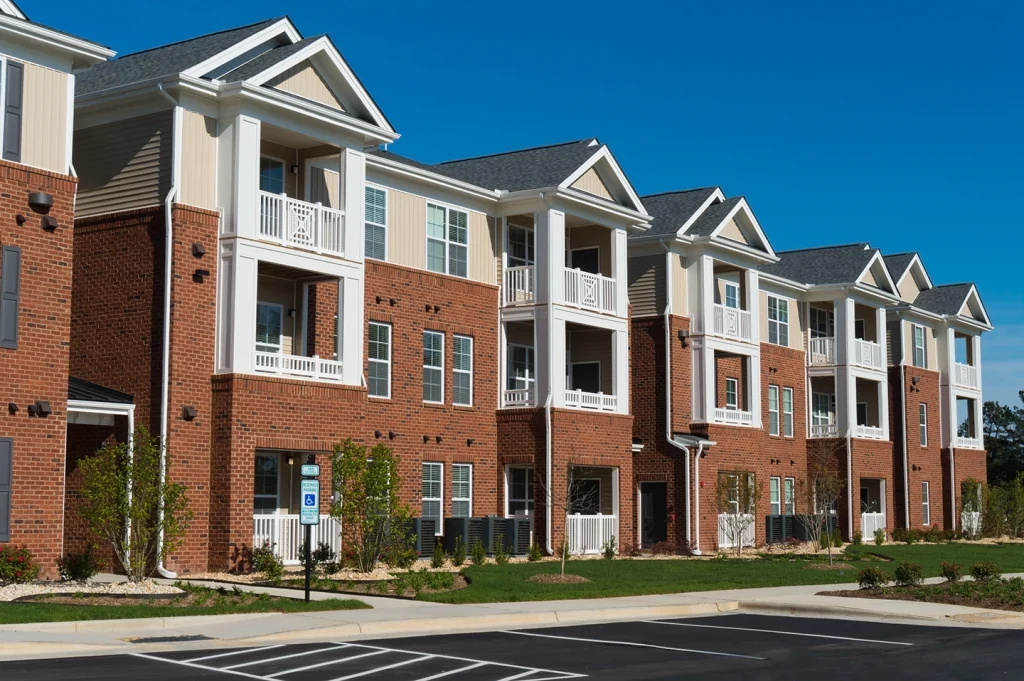
A lot of distribution space along this corridor is leased to third-party logistics operators rather than owned and run by the building's title holder, which adds a layer of coordination most warehouse projects don't have. The property owner controls the capital decision on a re-roof, but the tenant controls day-to-day access, dock scheduling, and staffing that a crew has to work around.
We loop in both sides early on leased distribution properties, confirming access windows and notice requirements with the operator while keeping the ownership group informed on scope and cost. Skipping that step is how a well-planned project turns into a scheduling conflict on day one, with a crew showing up to a facility that wasn't told work was starting.
Rooftop Additions and Structural Load Changes
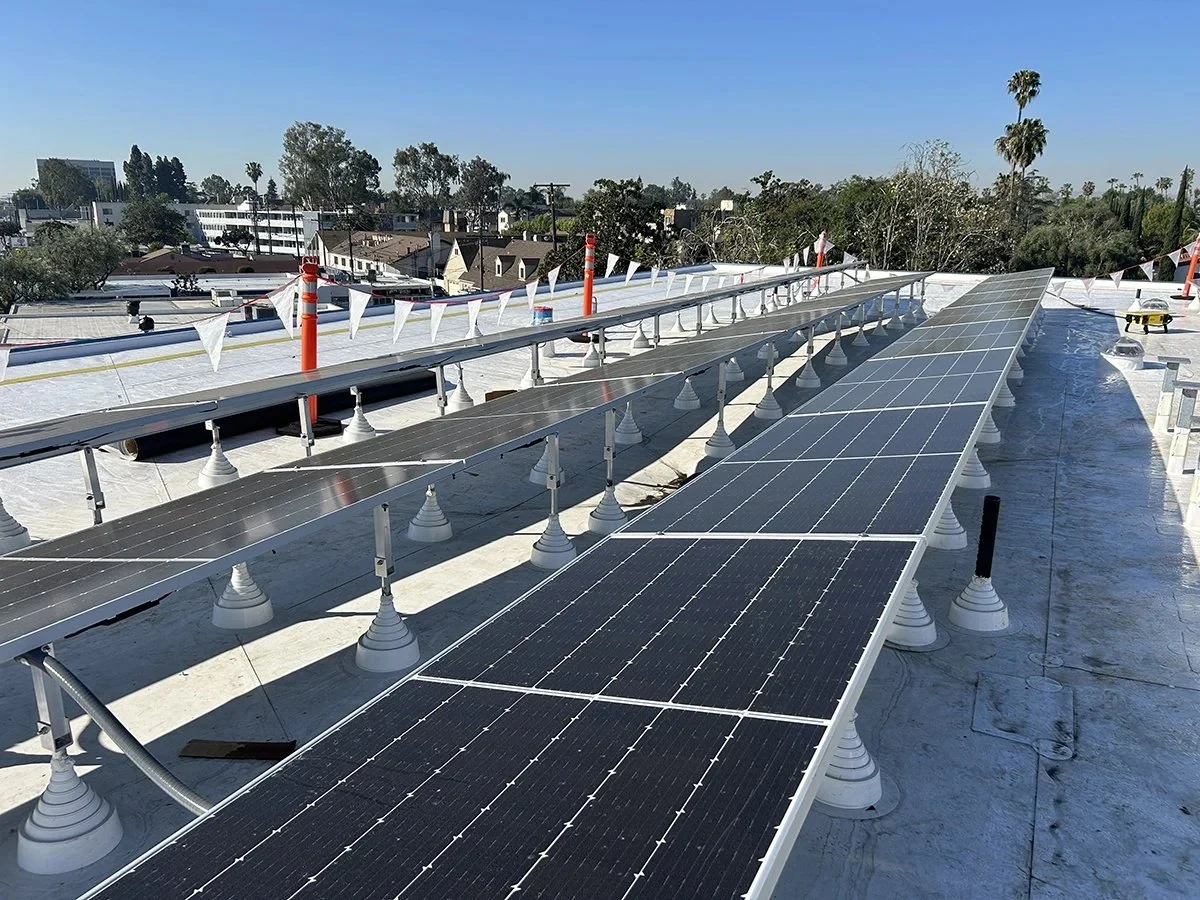
Distribution centers evolve. A building leased for standard pallet storage one year might add rooftop solar, expanded HVAC capacity, or additional exhaust equipment the next, and each addition changes the load and penetration count on a roof that was designed around a different equipment layout. Retrofitting new rooftop equipment onto an existing membrane without reviewing structural capacity and flashing detail around the new curb is a common source of leaks that show up months after the equipment goes in.
We review planned rooftop additions before they're installed whenever a facility gives us the chance, flagging where a new curb or unit needs reinforced flashing or where the existing membrane's remaining life doesn't justify cutting into it for equipment that will outlast the roof itself.
Common Questions From Logistics and Facilities Teams
Can roof work happen without interrupting dock operations?
Yes, by sequencing tear-off sections away from active dock doors and coordinating timing directly with the facility's operations schedule.
What's the most common leak source on distribution center roofs?
Failed skylight and smoke-vent flashing, more often than field membrane failure, given how many of these penetrations a typical distribution building has.
How do you handle drainage on very large flat roofs?
We verify drain and scupper capacity against real Gulf Coast storm intensity rather than average rainfall figures, since undersized drainage is a common and preventable problem on large-format buildings.
Does inventory need protection during roof work?
Yes, and we cover and protect racking and stored goods below any open section before tear-off begins on that area, not after.
How far in advance should storm-season roof prep start?
Ideally in early spring, so any needed repairs or replacement can close out before June, giving the facility a full season of margin before storm risk increases.