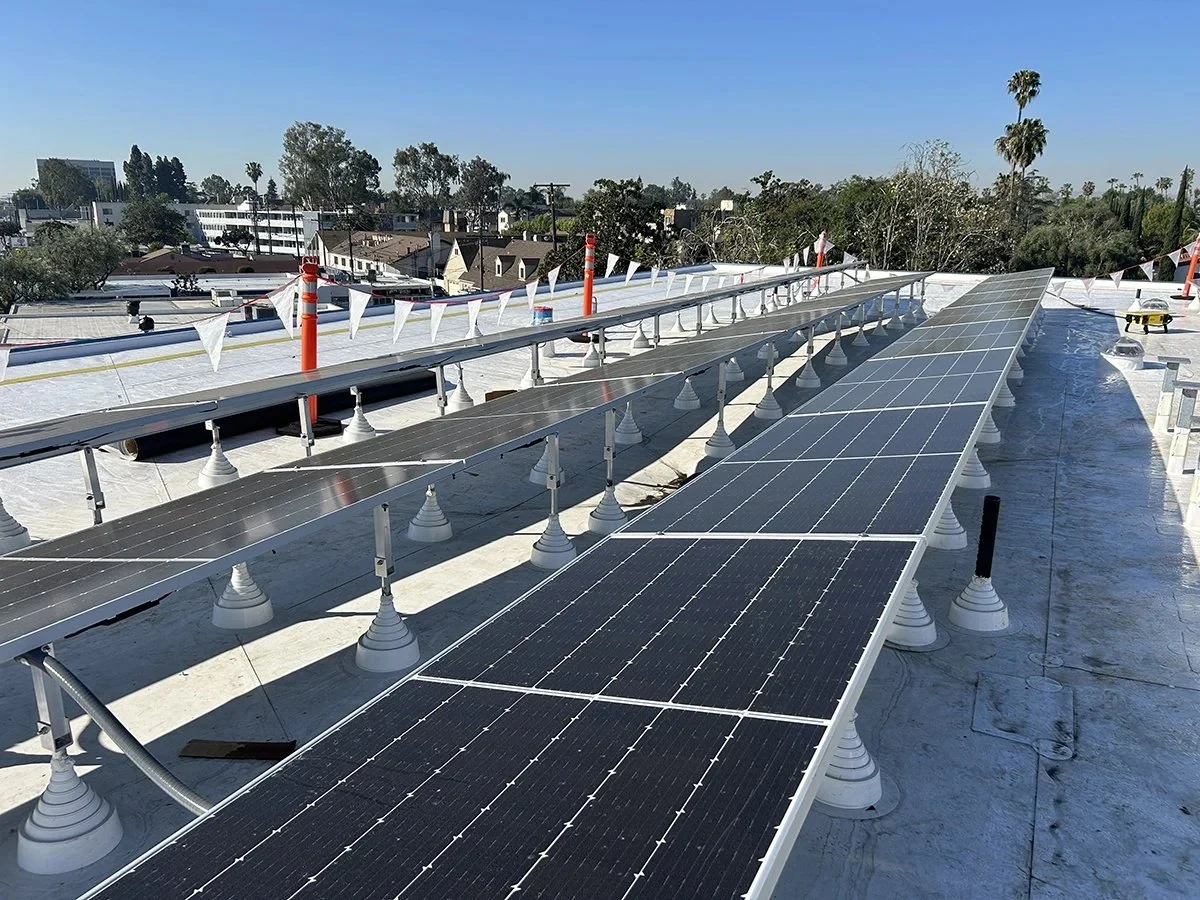
Roofs on Public Buildings Along the Harrison County Coastline
County offices, city facilities, libraries, and public works buildings across Harrison and Jackson County carry a different set of pressures than a private commercial roof. Budget cycles, public bid requirements, and a mandate that the building stay usable through hurricane season all shape how a public-sector roof project has to run.
Budget-Cycle Timing Is Part of the Job
Public facilities departments work against fiscal-year budgets and board approval timelines that a private building owner never deals with. A roof condition report has to give a facilities director something usable in front of a county board or city council, not a vague summary that leaves them guessing what to ask for.
We write assessments with a clear remaining-life estimate and a defined scope, broken into phases where that makes sense for a facility trying to spread a project across two budget cycles instead of asking for the full amount at once. A facilities director who can show a board exactly what a phased approach buys them has an easier approval path than one asking for a lump sum with no breakdown.
Wind and Storm Standards on Public Buildings
Public buildings near Keesler Air Force Base and along the coastal corridor sit in the same wind exposure zone as private commercial property, but many also serve as emergency operations points or shelters during storm response, which raises the bar on what the roof needs to hold up under. A membrane and fastening system installed to minimum code on a public building that may need to function through a storm response period is a different design decision than the same building treated as a standard office roof.
We size fastening patterns and flashing details to the wind zone the facility actually sits in and flag where a building's operational role during storm response should push the spec above baseline code.
Working Within Public Bid Requirements
Public roofing work typically runs through a bid process with defined scope documents, and a facilities department needs that scope written clearly enough that bids come back comparable to each other. Vague scope language produces bids that can't be evaluated side by side, which slows the whole process down and invites disputes later.
We put together scope documentation detailed enough to support a fair bid comparison, including material specifications, fastening requirements, and phasing, so a public buyer isn't stuck reconciling apples-to-oranges numbers from different contractors.
What a Public Facility Roof Assessment Documents
- Current membrane condition and estimated remaining service life
- Code compliance status against current wind zone and fastening requirements
- Drainage and ponding issues affecting the roof deck and structure below
- Rooftop mechanical and HVAC curb condition
- Prior repair history and patch locations visible on the roof surface
- A phased-scope option where full replacement isn't feasible in one budget cycle
Keeping Occupied Public Buildings Running During Work
Courthouses, libraries, and administrative buildings stay open to the public through most roof projects, which means access routes, noise timing, and interior protection have to be planned around business hours and public foot traffic. We coordinate directly with facilities staff on entry points, parking impact, and any sections of a building that need to close temporarily during tear-off.
That coordination extends to storm-season timing. A public building's roof project ideally closes out before June, the same as any private commercial property on the Coast, since a partially completed roof on a facility that may need to function through storm response carries more risk than most department heads want on the books.
Proximity to Keesler and Base-Adjacent Commercial Growth
Public infrastructure near Keesler Air Force Base tends to see steadier demand pressure than facilities elsewhere in the county, simply because of the base's role as a fixed anchor for the surrounding community. County and city buildings supporting that area, from permitting offices to public works facilities, often carry higher usage than their original design anticipated, and roof systems installed decades ago weren't sized around today's traffic and occupancy levels.
We factor current building usage into a roof assessment, well beyond the original design specification, since a public facility seeing more daily foot traffic and longer operating hours than it did when the roof was installed puts more cumulative wear on rooftop equipment and access points than the original design load assumed.
Maintaining a Multi-Building Facility Portfolio
A public facilities department often manages a portfolio spanning a dozen or more buildings of different ages, uses, and roof types, and tracking condition across all of them without a consistent record system gets difficult fast. A director inheriting a portfolio with incomplete roof history has a harder time prioritizing capital requests than one with a clear, comparable condition rating across every building.
We build condition records that let a department compare buildings against each other on consistent criteria, so a limited annual roofing budget goes to whichever facility actually needs it most rather than whichever one happened to get attention last.
Common Questions From Facilities Directors
Can a roof project be phased across two fiscal years?
Yes, and we build phased scope documents specifically for that situation, sequencing the work so each phase leaves the building fully weathertight even if a second phase is still a year out.
Do you provide documentation suitable for a board presentation?
Yes. We write assessments with clear findings and a defined scope that a facilities director can present directly to a board or council without needing to translate technical language.
Are public building roofs held to a higher wind standard?
The code minimum is the same as private commercial property, but any facility with an emergency-operations or shelter role should be designed above minimum, and we flag that distinction during assessment.
How do you handle bid scope documentation?
We write detailed material and fastening specifications so that competing bids can be compared on equal terms, which is often what public buyers are missing when bids come back inconsistent.
Can work happen while a public building stays open?
In most cases yes, with access routes and noisy work windows coordinated around business hours and public traffic patterns at the facility.