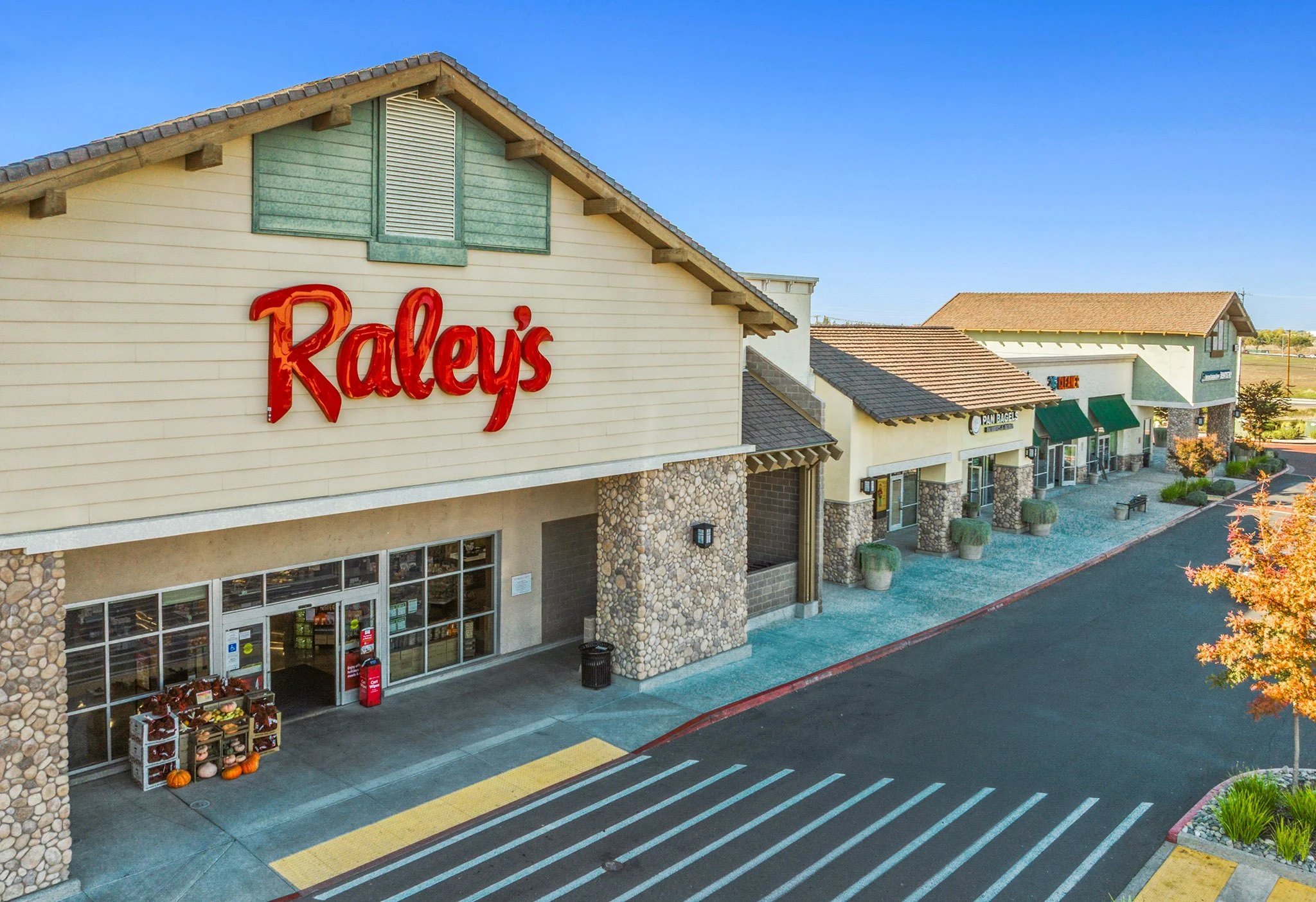
Roofing Grocery Stores That Never Fully Close
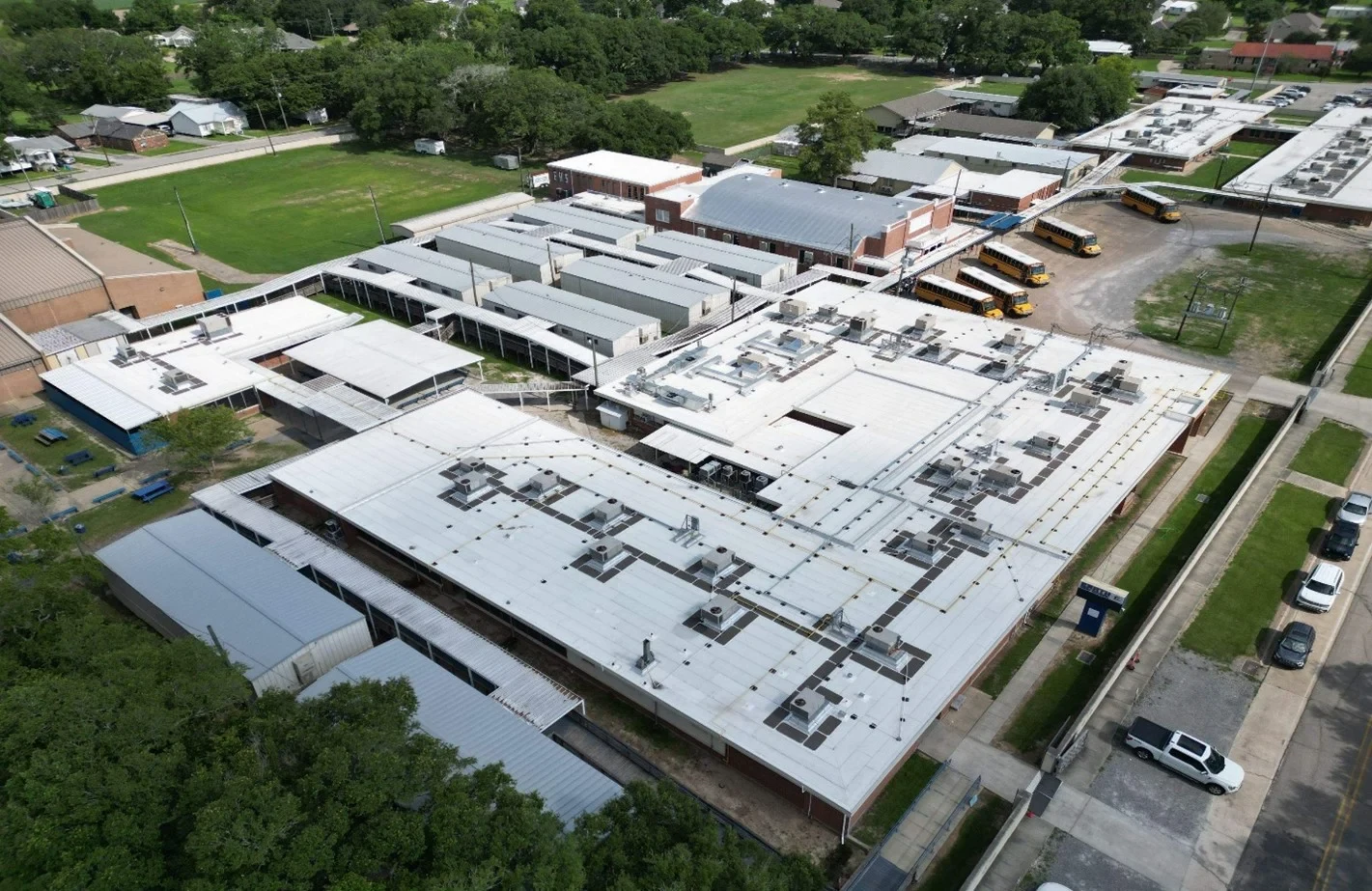
Grocery stores along the Gulfport and Biloxi retail corridors run close to around-the-clock hours and carry a roof load unlike almost any other retail category: refrigeration racks, condenser units, and produce cooler equipment concentrated on the roof deck above product that spoils fast if the cooling chain breaks or the roof lets water in near the wrong place.
Refrigeration Equipment Changes the Risk Calculation
A grocery store roof carries rooftop refrigeration condensers that most other retail buildings don't, and those units are heavier, generate more vibration, and require more frequent curb inspection than a standard HVAC package unit. A leak near a refrigeration curb doesn't just mean water in the ceiling, it can mean a compromised seal on equipment keeping frozen or refrigerated product at safe temperature.
We treat refrigeration curb condition as a priority inspection point on every grocery roof visit, separate from the general membrane check, because equipment failure risk here carries a direct product-loss cost that a leak over a dry-goods aisle doesn't.
Continuous Operation Means No Convenient Closure Window
Most grocery stores on this coast don't have a slow season or an off-hours window long enough for major roof work without careful planning. Overnight restocking, early morning deliveries, and near-24-hour operation at some locations mean a roof crew has to work around a store that's rarely fully empty.
We schedule grocery roof work around each store's actual traffic pattern, often running the loudest tear-off phases during the store's lowest-traffic overnight window and keeping refrigeration and produce sections clear of active work entirely during business hours.
Leak Response Timing Matters More Here Than Almost Anywhere Else
A slow leak over a dry-goods shelf can wait a day for scheduling. A leak over the deli case, the bakery, or a refrigeration unit can't, because product spoilage and food-safety exposure start accumulating immediately. Store managers need a roofing partner that treats a grocery leak call as urgent by default, not one that queues it behind less time-sensitive work.
We prioritize grocery leak calls for same-window response specifically because of what's typically below the affected area, well beyond the fact that it's a commercial account.
What a Grocery Roof Inspection Covers
- Refrigeration and condenser curb seal condition, checked separately from general membrane inspection
- Membrane and flashing directly above deli, bakery, and produce sections
- Drain capacity relative to the roof's actual slope and local storm intensity
- Rooftop unit vibration isolation and curb attachment
- Loading dock canopy and rear-of-store flashing, high-traffic areas that see more wear
- Skylight condition where present over the main sales floor
Storm Preparation for a Business That Can't Afford Downtime
A grocery store losing power or roof integrity during a storm creates a community access problem, on top of the repair cost, right when residents need a functioning grocery store most. We prioritize pre-season readiness on grocery accounts with that in mind, checking refrigeration curb anchoring and membrane condition well ahead of hurricane season rather than waiting for a spring inspection cycle to catch up.
Older Grocery Buildings Versus New Construction
A lot of grocery buildings on this coast were built decades ago and expanded or renovated inside the same shell multiple times since, which usually means the roof has been patched around additions rather than designed as a single system from the start. Older built-up roofs on these buildings often carry a patchwork of repair generations, and figuring out which sections are original and which have already been replaced takes more than a quick visual walk.
We map roof age section by section on older grocery buildings rather than assuming a single install date applies across the whole structure, since treating a partially replaced roof as uniformly old, or uniformly new, leads to the wrong repair-versus-replace decision.
Loading Dock and Rear-of-Store Wear
The rear of a grocery building, where trucks unload and compactors and baler equipment sit, takes more physical abuse than the rest of the roof. Dock-high canopies get bumped by trailers, foot traffic from receiving staff wears down membrane near access ladders, and rooftop equipment serving the receiving area tends to be older and less maintained than equipment over the sales floor.
We give dock and rear-of-store sections a closer look on every grocery inspection, since this is where physical damage and accelerated wear show up first, well ahead of problems on the undisturbed field over the main sales floor. That closer look includes checking baler and compactor pad anchoring, since equipment vibration at the rear of the building loosens nearby flashing faster than most managers expect.
Common Questions From Grocery Store Managers and Owners
How fast can a leak over refrigeration equipment get addressed?
We prioritize these calls for same-window response given the product-loss and food-safety exposure involved, ahead of less urgent commercial leak calls.
Can roof work happen without disrupting store hours?
Yes, in most cases, by scheduling the loudest and most disruptive phases during the store's lowest-traffic overnight window.
Why do grocery roofs need more frequent refrigeration curb checks?
These units are heavier and vibrate more than standard HVAC equipment, which loosens curb seals faster and creates leak risk directly over sensitive cooling equipment.
What areas of a grocery roof see the most wear?
Sections above refrigeration condensers, loading dock canopies, and any area with dense rooftop equipment traffic from regular maintenance visits.
How often should grocery roofs be inspected?
At minimum twice a year, with particular attention before hurricane season given how much rooftop equipment and product value sits below a typical grocery roof.