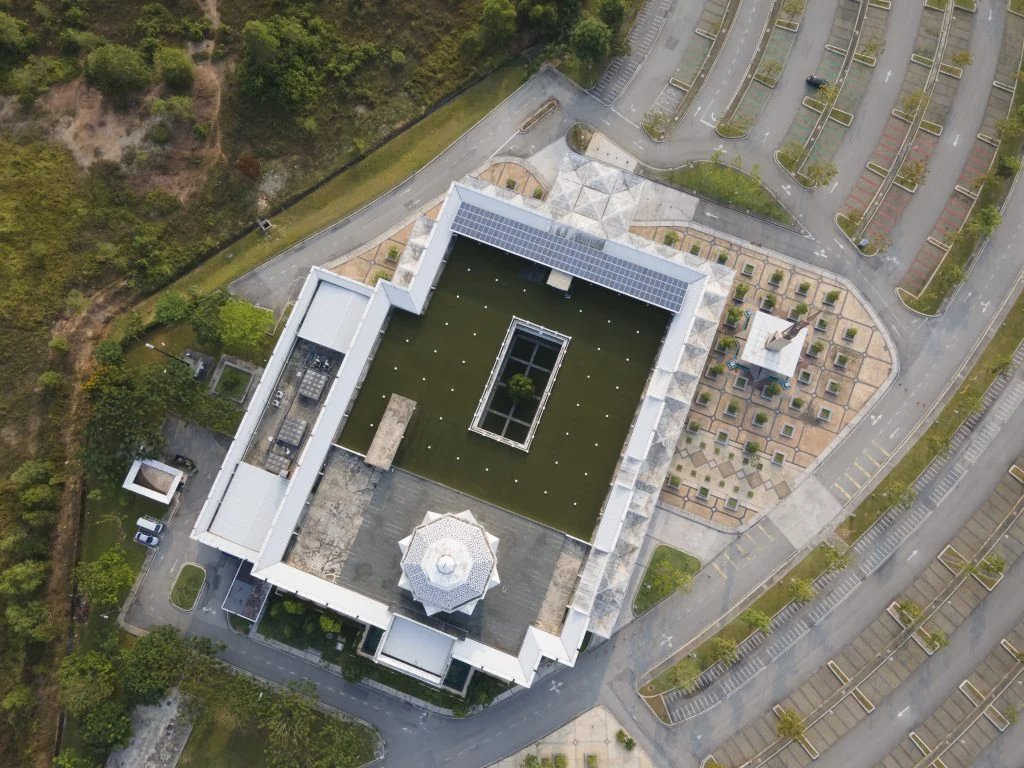
Roofing Manufacturing and Process Buildings Near the Port
Between the shipbuilding supply chain around Pascagoula and the industrial corridor running through Gulfport and Moss Point, this stretch of coast carries a heavier concentration of manufacturing and process buildings than most people driving I-10 realize. Those roofs face a different set of stresses than a standard warehouse: chemical vapor, high heat loads, and a production schedule that rarely tolerates downtime.
What a Compromised Roof Costs a Running Plant
A leak over office space is an inconvenience. A leak over a production line, a control panel, or raw material storage is a shutdown, a scrapped batch, or a safety hazard depending on what's below it. Plant managers on this coast don't have the option of treating roof maintenance as a someday item once a facility is running at capacity.
We assess manufacturing roofs against what's underneath them, well beyond square footage alone. A section over electrical distribution or sensitive equipment gets prioritized ahead of a section over a loading dock, even if the loading dock section looks worse on a visual inspection, because the failure cost is not the same.
Chemical and Vapor Exposure From Process Operations
Facilities supporting the refining and industrial base along the coast, including operations near Chevron's Pascagoula complex and the chemical processing at Chemours in DeLisle, deal with roof membranes exposed to airborne chemical residue and vapor that standard membrane specs aren't built to handle. Certain single-ply membranes degrade faster under sustained chemical exposure than others, and picking the wrong system for a plant's specific process environment shows up as premature failure within a few years instead of the decade-plus a properly specified system should deliver.
We match membrane chemistry to what a plant's stacks and process vents actually put into the air above the roof, not a generic industrial spec that ignores the facility's specific operation.
Heat Loads and Rooftop Penetrations
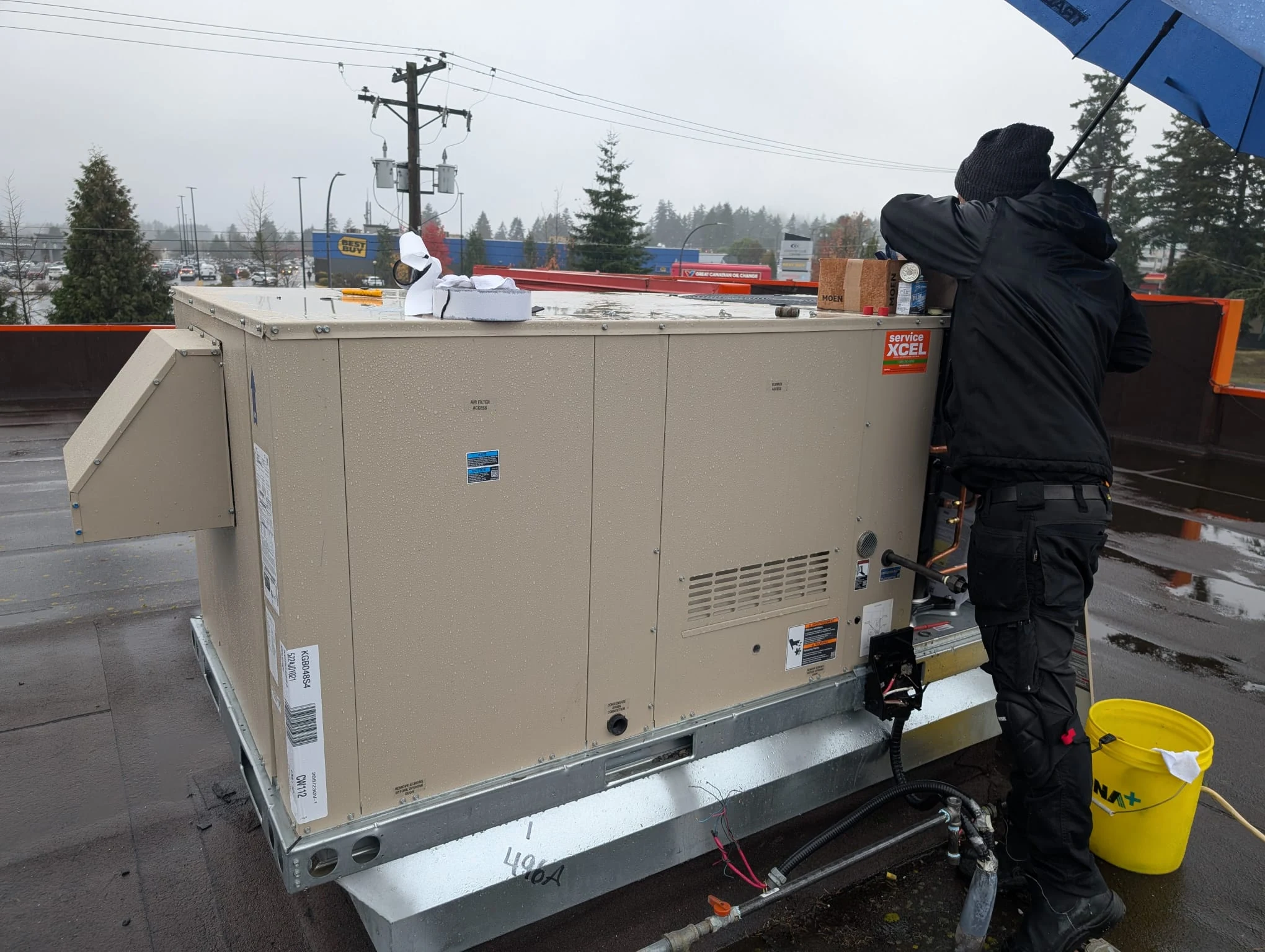
Process buildings tend to carry more rooftop penetrations than a typical commercial structure: exhaust stacks, vents, conduit runs, and mechanical curbs serving equipment that generates real heat below the deck. Each penetration is a potential failure point, and a roof with dozens of them needs a flashing and inspection program sized to that density, not a standard commercial checklist.
We map every penetration on a plant roof during assessment and track flashing condition penetration by penetration, because a single failed pitch pan around a stack can be the source of a leak that otherwise reads as a mystery on the production floor below.
Re-Roofing Without Stopping Production
Most manufacturing clients cannot shut a line down for a roof project, so work gets sequenced section by section, often tied to planned maintenance windows the plant already has scheduled for other reasons. We coordinate directly with plant operations on which sections can be opened when, and we plan smaller work zones over active production areas than we would over a warehouse with no operating equipment below.
A manufacturing re-roof scope typically includes:
- Section-by-section sequencing tied to the plant's own maintenance and shutdown windows
- Membrane chemistry matched to documented process emissions and vapor exposure
- Penetration-by-penetration flashing inspection and replacement plan
- Fall protection and access planning around active equipment and foot traffic below
- Wind-uplift fastening rated to the site's exposure, since many plant buildings sit in open industrial zones with higher wind loading than a sheltered commercial site
Documentation for Insurance and Safety Compliance
Industrial property insurance and safety audits both want a documented roof condition history, particularly for buildings storing materials with fire or chemical handling requirements. We keep dated inspection records on manufacturing accounts so that documentation exists before an underwriter or auditor asks for it.
Wind Exposure in Open Industrial Zones
Manufacturing sites along the industrial corridor toward Moss Point and the shipbuilding supply chain often sit in more open, less sheltered terrain than a retail or office park building surrounded by other structures and tree lines. That exposure category matters under wind-uplift code, since a roof in open industrial terrain faces higher design wind pressure than the same system would in a sheltered suburban setting, even at the same wind speed.
We calculate exposure category site by site rather than assuming a standard commercial default, because using the wrong exposure category understates the fastening a plant roof actually needs and leaves it under-built for the wind it will see.
Coordinating With Plant Safety Requirements
Industrial sites carry safety protocols a standard commercial job doesn't: confined space rules near certain process equipment, hot-work permits where roof work happens near flammable material handling, and site-specific PPE requirements that vary plant to plant. A roofing crew that doesn't already understand how to work inside a plant's safety program slows a project down and creates real risk.
We work within a plant's existing safety protocol rather than asking the facility to adapt to a standard roofing crew's default procedures, including permit-to-work sign-off and site orientation before crews access the roof deck.
Questions From Plant and Facilities Managers
Can roof work happen without shutting down a production line?
In most cases yes, by sequencing work to sections not directly over active equipment and coordinating timing with the plant's own maintenance windows.
How do you handle roofs exposed to chemical or vapor emissions?
We review the plant's process emissions and specify membrane chemistry rated for that exposure, since standard commercial membranes can degrade faster under sustained chemical contact.
What's the biggest source of leaks on plant roofs with a lot of rooftop equipment?
Failed flashing and pitch pans around individual penetrations, more often than field membrane failure, simply because there are more penetration points to fail on a process building.
Do industrial roofs on this coast need higher wind-uplift ratings?
Many plant buildings sit in open industrial zones with less wind shielding than a sheltered commercial site, so yes, fastening often needs to be rated above a standard commercial baseline.
Can you provide documentation for insurance or safety audits?
Yes, we maintain dated condition records and can provide written reports formatted for underwriting or compliance review.