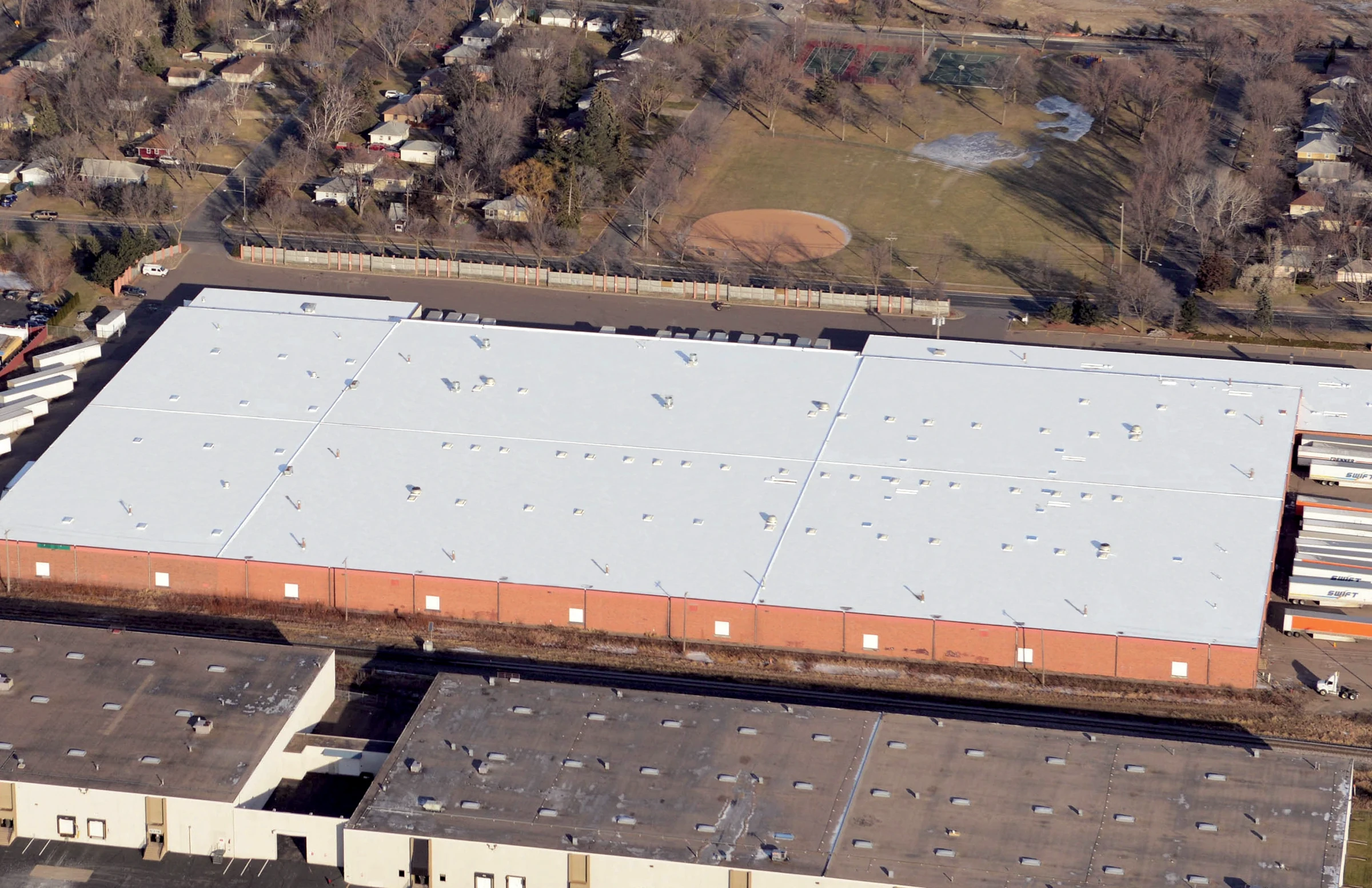
What Warehouse Roofs Near the Port Have to Withstand
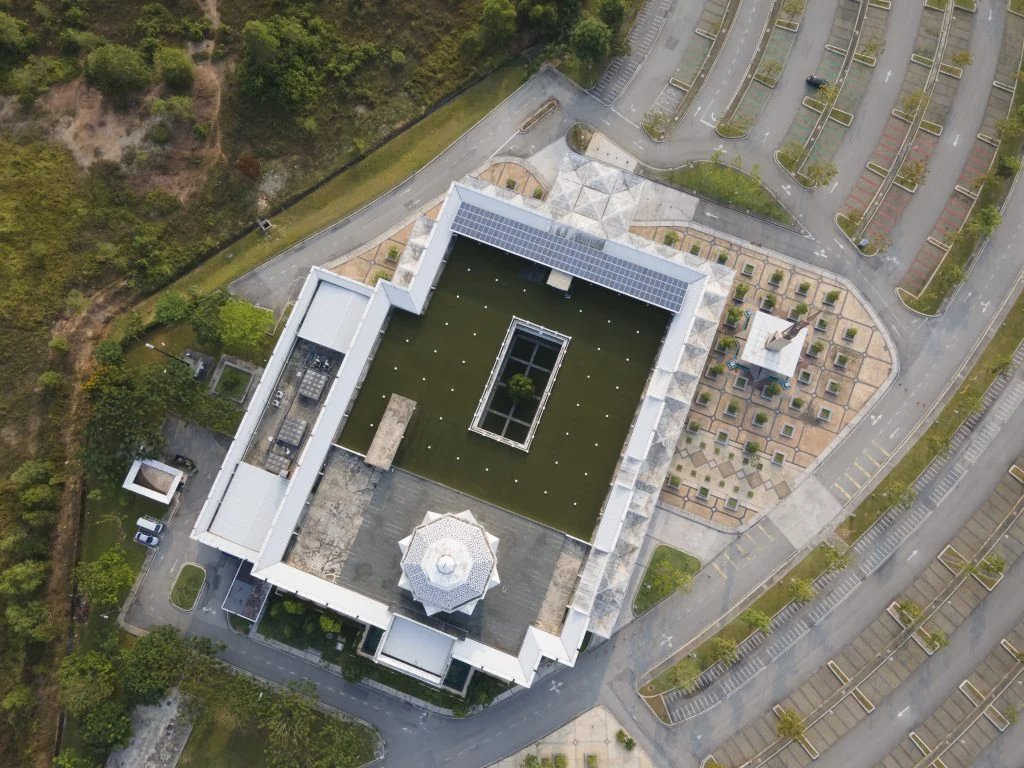
The warehouse and storage buildings clustered around the Port of Gulfport and along the rail and highway corridors feeding it carry some of the widest unbroken roof fields on the Coast. Size is an advantage for storage capacity and a liability under a hurricane, since a large flat field gives wind more surface to work against and gives water more distance to travel before it reaches a drain.
Inventory Sits Directly Under the Risk
A warehouse roof failure doesn't just mean a repair bill. It means product damage, and depending on what's stored, that can run well past the cost of the roof itself. Owners and tenants who've been through a partial roof collapse or a widespread leak event after a storm tend to take roof condition seriously going forward; the ones who haven't often underestimate it until it happens.
We frame warehouse roof work around what's stored below rather than treating the roof system in isolation. A facility storing moisture-sensitive goods needs a different inspection frequency and a lower tolerance for ponding than one storing packaged materials that can handle incidental moisture without a total loss.
Wind-Uplift Fastening Across a Wide-Open Field
The bigger the unbroken roof field, the more the perimeter and corner zones matter, because that's where uplift pressure concentrates hardest during a hurricane. A warehouse roof fastened to a flat, uniform pattern across the whole field without enhanced perimeter density is exactly the kind of system that peels back at the edge first and takes the field membrane with it.
We calculate fastening density by zone, not as a single number across the roof, with enhanced attachment at the perimeter, corners, and around any large rooftop units serving the space below.
Drainage on Large Flat Roof Fields
A warehouse roof spanning tens of thousands of square feet depends on internal drains and scuppers doing their job across the full field, and a single undersized or clogged drain can create ponding that stresses the membrane long before a storm ever arrives. Coastal rain events on this part of the Gulf can deliver several inches in a short window, and a drainage system sized for average rainfall rather than actual storm intensity leaves the field exposed.
We check drain capacity against the roof's real slope and the storm intensity this coast actually sees, not the manufacturer's generic sizing chart.
What a Warehouse Roof Scope Typically Covers
- Zone-by-zone wind-uplift fastening calculated to the site's actual exposure
- Drain and scupper capacity review against local storm intensity, not average rainfall
- Skylight and smoke-vent flashing, common failure points on older warehouse roofs
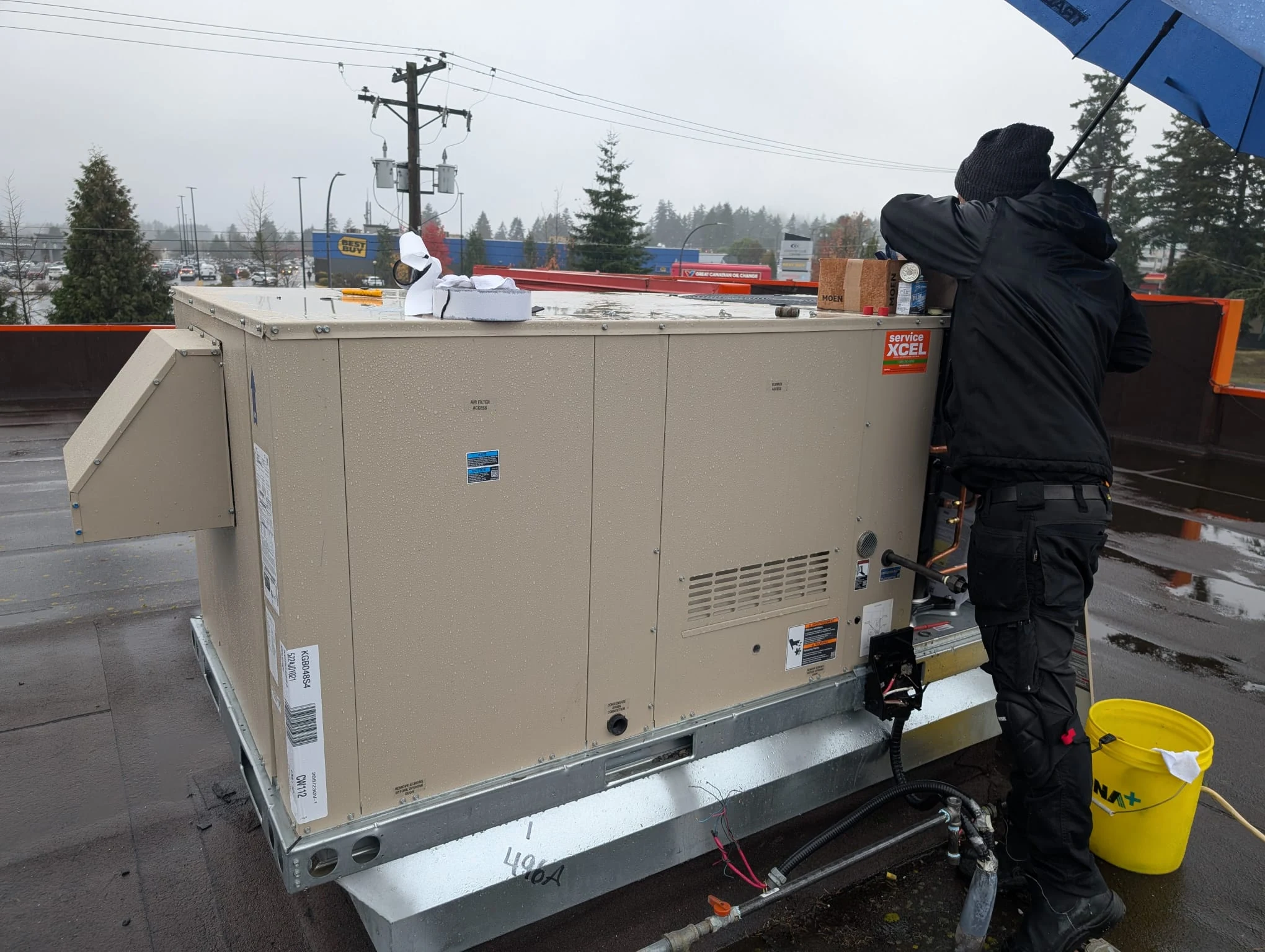
- Rooftop unit curb and condensate line condition across the full field
- Membrane seam integrity checked in sample sections and full-field where damage is suspected
- A phased tear-off plan that keeps inventory below covered and dry throughout the project
Working Around an Operating Warehouse
Most warehouses keep receiving and shipping through a roof project, which means staging, crane access, and dumpster placement have to avoid dock doors and truck routes. We plan access around the facility's actual operating hours and dock activity rather than assuming a clear site.
Interior protection matters as much as exterior sequencing. On any section open to weather during tear-off, we cover and protect inventory staged below before work starts, not after a section is already exposed.
Aging Warehouse Stock Near the Port
Some of the warehouse buildings closest to the port date back several decades and were built before current wind-uplift standards existed, which means the fastening pattern holding the membrane down may never have been designed for today's code requirements. A visual inspection alone won't tell an owner whether an older warehouse roof meets current wind standards; that takes a fastener pull test and a review against the building's actual exposure category.
We treat wind-uplift compliance as a standard part of assessing any warehouse roof built before recent code cycles, since an owner deciding between a repair and a full system replacement needs that information before making the call, not after a storm exposes the gap.
Racking Layout and Roof Access Planning
Interior racking in a working warehouse can make roof access more complicated than the building's footprint suggests, particularly when racking runs close to roof access hatches or when forklift traffic patterns limit where staging equipment can sit at ground level. A roof crew that hasn't walked the interior layout before a project starts can end up working around obstacles it didn't anticipate.
We walk the interior with facility staff before finalizing an access plan on any occupied warehouse project, confirming hatch locations, clearance for material lifts, and any racking configuration that affects where crews can safely stage equipment.
Common Questions From Warehouse Owners and Operators
How does roof size affect wind-uplift risk?
Larger unbroken fields concentrate more uplift pressure at the perimeter and corners, so bigger warehouse roofs generally need more aggressive edge and corner fastening than a smaller building of the same system type.
What causes ponding on warehouse roofs?
Undersized or clogged drains relative to the roof's slope and the intensity of Gulf Coast rain events, more often than a structural slope problem with the building itself.
Can a re-roof happen while the warehouse keeps operating?
Yes, in almost every case, by sequencing tear-off around dock activity and protecting inventory below open sections throughout the project.
How often should skylights and smoke vents get inspected?
At least annually, since these penetrations fail more often than the field membrane itself and are frequently the actual source of leaks that get blamed on the roof system generally.
Does warehouse location near the port affect roof material choice?
Yes. Proximity to the water increases salt-air exposure on flashing metal and fasteners, so corrosion-resistant hardware is worth specifying even on buildings a few miles inland from the port itself.