SBS Modified Bitumen for Multi-Ply Redundancy on Older Buildings
A lot of the older commercial stock around downtown Gulfport and the Union Station area was originally roofed with built-up asphalt, and SBS modified bitumen is often the direct successor system when those roofs come due, it keeps the multi-layer redundancy owners of older buildings trust, but with rubberized asphalt sheets that flex and weather better than traditional gravel-surfaced BUR. It's not the newest membrane category, but it's a proven one, and it fits certain buildings better than single-ply.
What SBS Modified Bitumen Actually Is
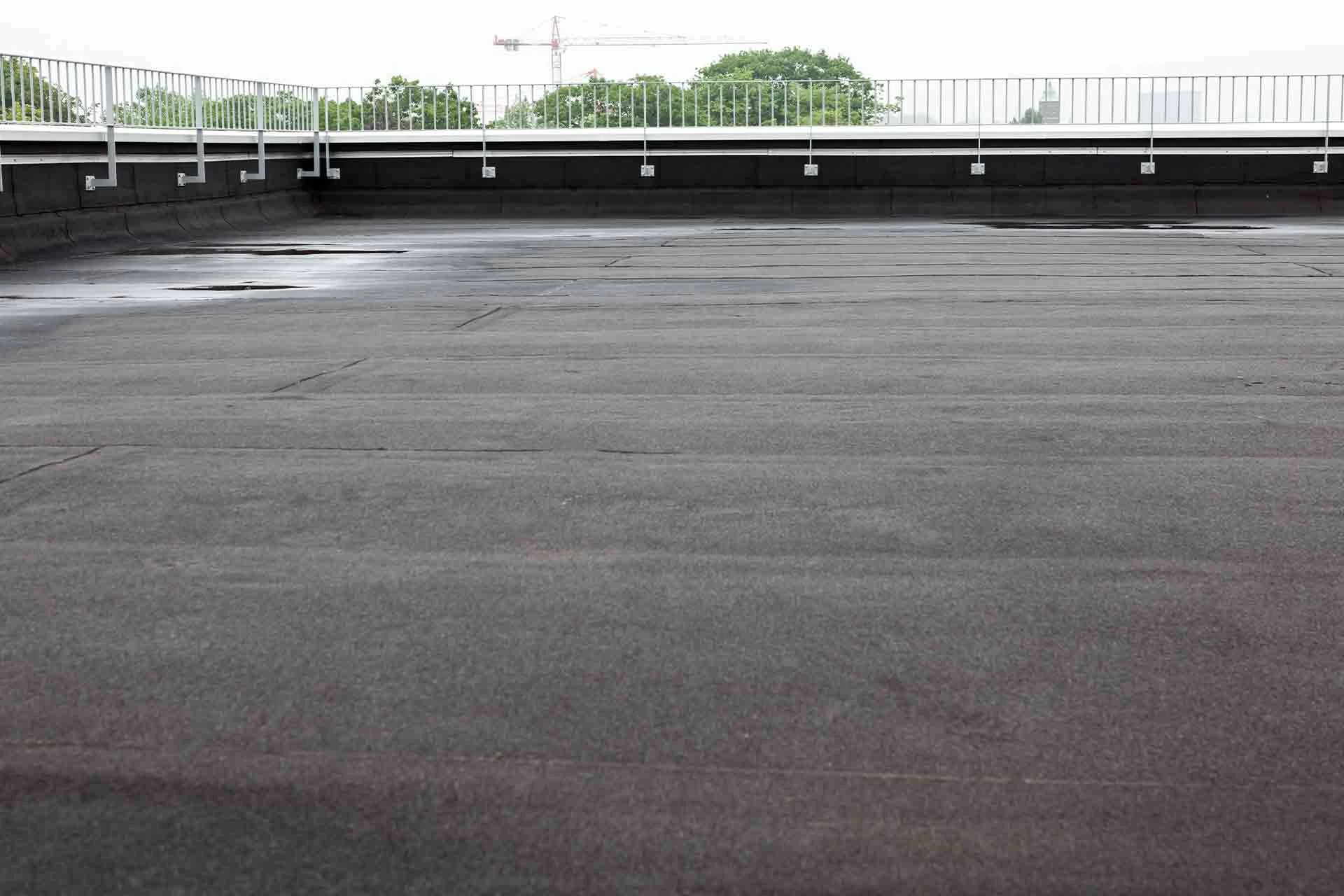
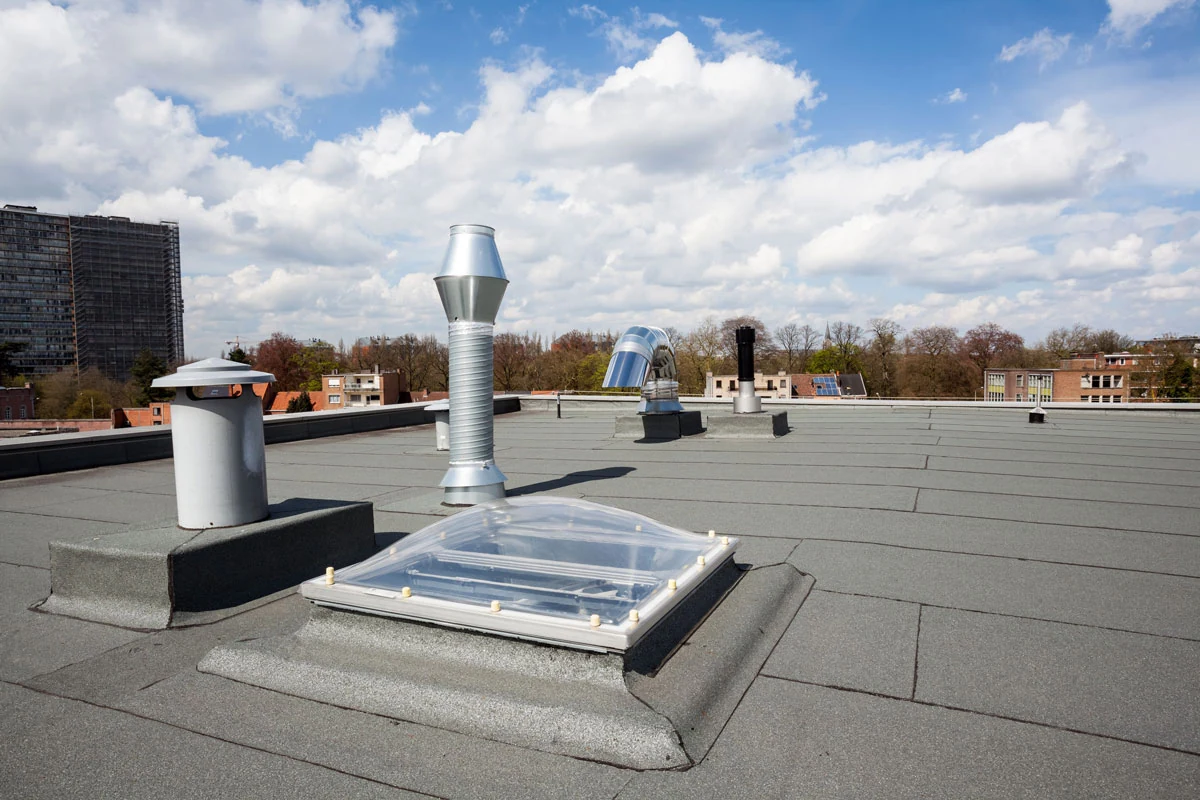
SBS modified bitumen is asphalt modified with styrene-butadiene-styrene rubber polymer, manufactured into sheets that are installed in multiple plies, commonly a base sheet plus a cap sheet, layered for redundancy rather than relying on a single membrane layer the way TPO or EPDM does. That layered approach means a puncture or seam issue in the top ply doesn't automatically expose the deck, since the base ply is still there doing its job.
The rubber modification gives the asphalt flexibility across a wider temperature range than traditional unmodified asphalt, which matters on a coast that swings between intense summer heat and occasional winter freezes. It also improves impact and fatigue resistance compared to older BUR systems.
Application Methods and What They Mean for Your Building
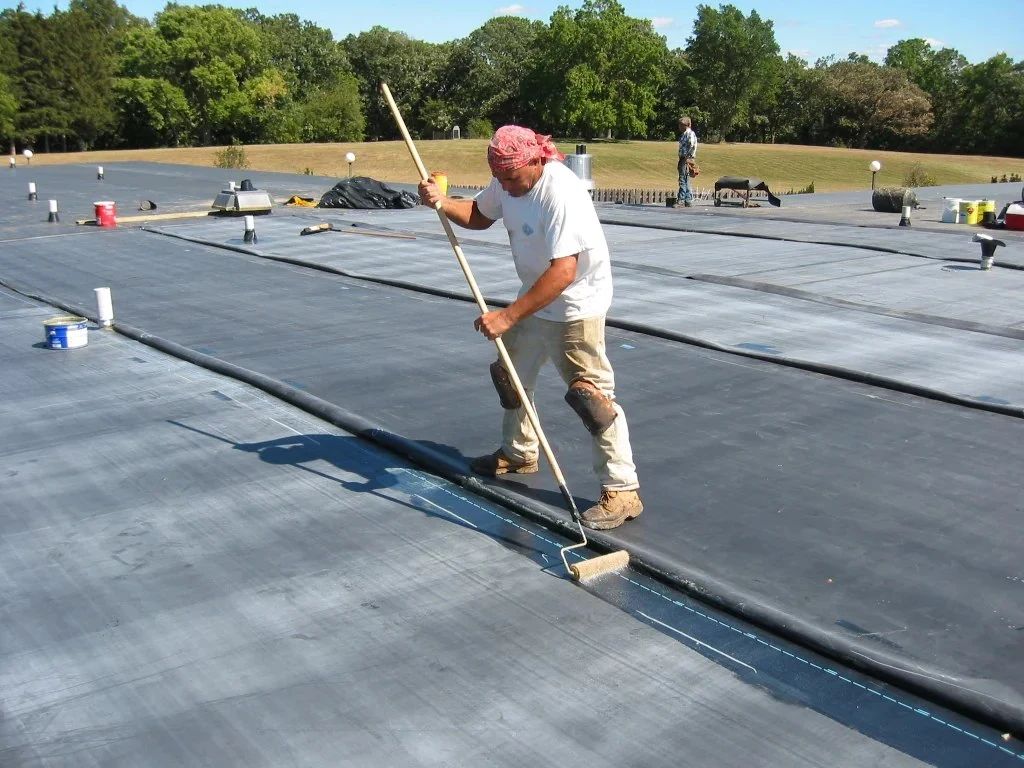
SBS modified bitumen can be installed by torch-applying the sheets (melting the underside asphalt to bond to the substrate), using cold-process adhesive, or with self-adhered sheets that bond under pressure without heat or adhesive. Each method has tradeoffs. Torch application creates a strong, proven bond but requires strict fire-safety protocols during installation, which matters on occupied buildings or roofs near flammable materials. Cold-adhesive and self-adhered systems avoid open flame on the roof entirely, which we often recommend for occupied retail or hospitality buildings where torch work adds operational risk during installation.
We choose the application method based on the building's occupancy, roof deck type, and the surrounding conditions during the install window, not by default.
Wind Uplift and Seam Performance
Modified bitumen's wind-uplift performance comes from the combination of ply adhesion to the substrate and to each other, plus how the perimeter and edge details are secured. Multi-ply systems with fully adhered or torch-bonded plies generally perform well under wind uplift because the layered construction distributes stress differently than a single membrane sheet. We still engineer enhanced fastening and edge metal at perimeters and corners, since that's where uplift pressure concentrates during a tropical wind event regardless of membrane type.
Seams on modified bitumen are heat-fused or adhesive-lapped, and the multi-ply layout means seams in adjacent plies are staggered, so a weak spot in one seam isn't directly over a weak spot in the layer below it. That redundancy is one of the real advantages of the system on a coast where wind-driven rain tests every seam and lap during a named storm.
Where SBS Modified Bitumen Fits Best
We recommend modified bitumen for specific building types and situations:
- Older buildings originally roofed with built-up asphalt, where matching system type simplifies future maintenance
- Roofs with heavy foot traffic or mechanical equipment where multi-ply redundancy resists punctures better than single-ply
- Buildings needing a granulated cap sheet for added UV and impact protection without a separate coating step
- Low-slope roofs with complex penetrations, where modified bitumen's flashing detailing has a long track record
- Occupied buildings where cold-process or self-adhered application avoids torch work
- Owners prioritizing a proven, decades-tested system over newer single-ply alternatives
Salt Air, UV, and Humidity on This Coast
Granulated cap sheets on SBS modified bitumen provide inherent UV protection without relying on a separate reflective coating, though granule-surfaced membranes don't reflect heat the way white TPO or PVC does, so cooling-load considerations factor into the choice for conditioned buildings. Salt air has limited direct effect on the asphalt-based membrane itself, but as with every system here, fasteners and edge metal need corrosion-resistant specification near the coastline.
High humidity and heavy rain volume during hurricane season put real stress on flashing details and drainage more than on the membrane surface. We verify tapered insulation and drain capacity on modified bitumen scopes the same way we do on single-ply systems, since standing water is the common failure driver across every membrane type on this coast.
Questions Owners Ask About Modified Bitumen
Is modified bitumen better than TPO for an older building?
Often yes, if the building's deck and existing roof assembly were designed around built-up asphalt construction. Matching the new system to the existing deck type and detailing usually simplifies the transition.
Does torch-applied modified bitumen carry fire risk during installation?
It requires strict fire-safety protocols, which is why we often recommend cold-adhesive or self-adhered application for occupied buildings, particularly ones with tenants or flammable materials nearby.
How does modified bitumen handle hurricane wind uplift?
The multi-ply, fully adhered or torch-bonded construction generally performs well, but the enhanced perimeter and edge-metal fastening we design into every coastal roof still matters for meeting current wind-uplift requirements.
Do granulated cap sheets need a reflective coating?
Not structurally, but if cooling-load reduction matters for your building, a compatible reflective coating over the granulated surface can improve solar reflectivity without replacing the membrane.
How long does SBS modified bitumen last here?
With proper installation and drainage, 20 to 25 years is a common service life on Gulf Coast buildings, with granulated cap sheets often the first component needing attention as they age.