PVC Roofing for Kitchens, Chemical Exposure, and Heavy-Use Roofs
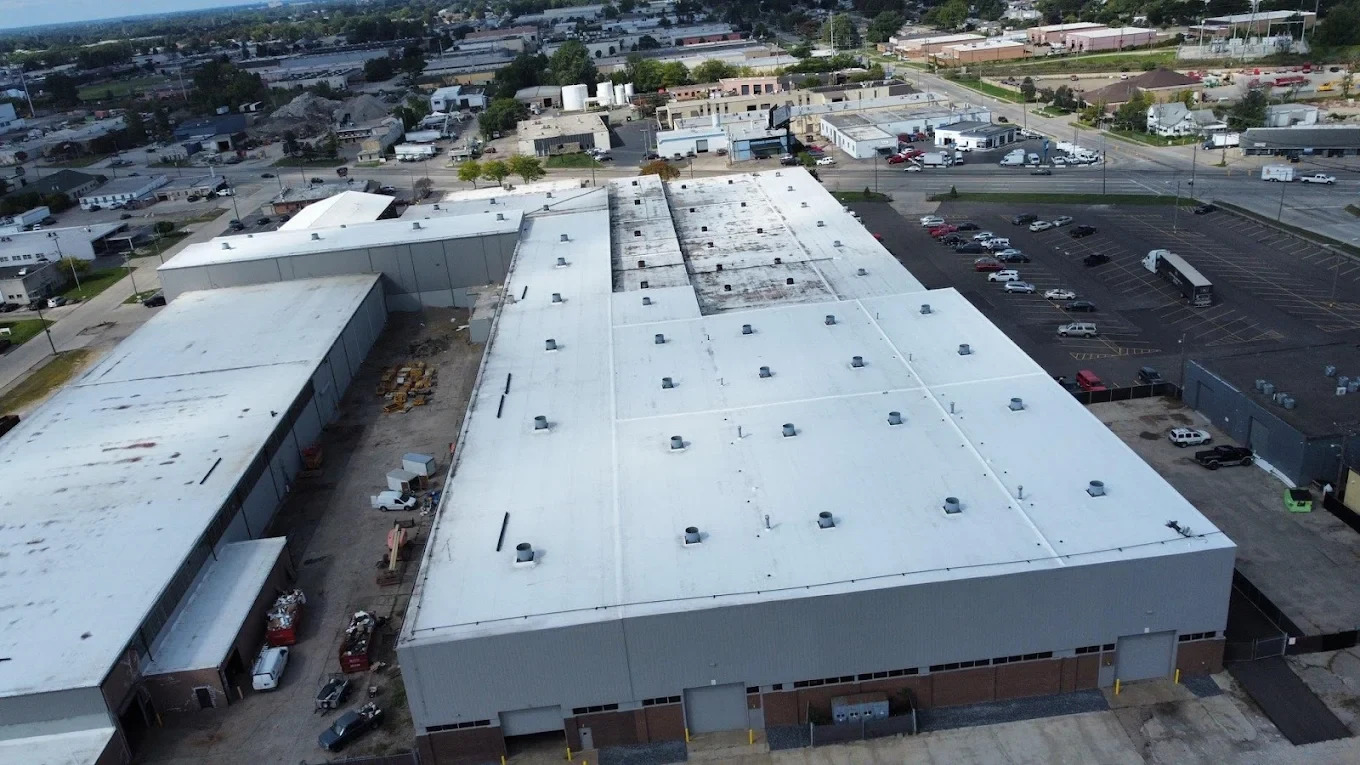
Most commercial roofs on the Gulf Coast don't need PVC's specific resistance to grease and chemical exposure, which is why TPO tends to be the default recommendation. But for a restaurant roof sitting downwind of kitchen exhaust, a manufacturing building near the port with chemical handling, or a roof adjacent to rooftop equipment that vents oils or solvents, PVC's chemical resistance is the deciding factor, not a marginal upgrade.
What Sets PVC Apart From TPO and EPDM
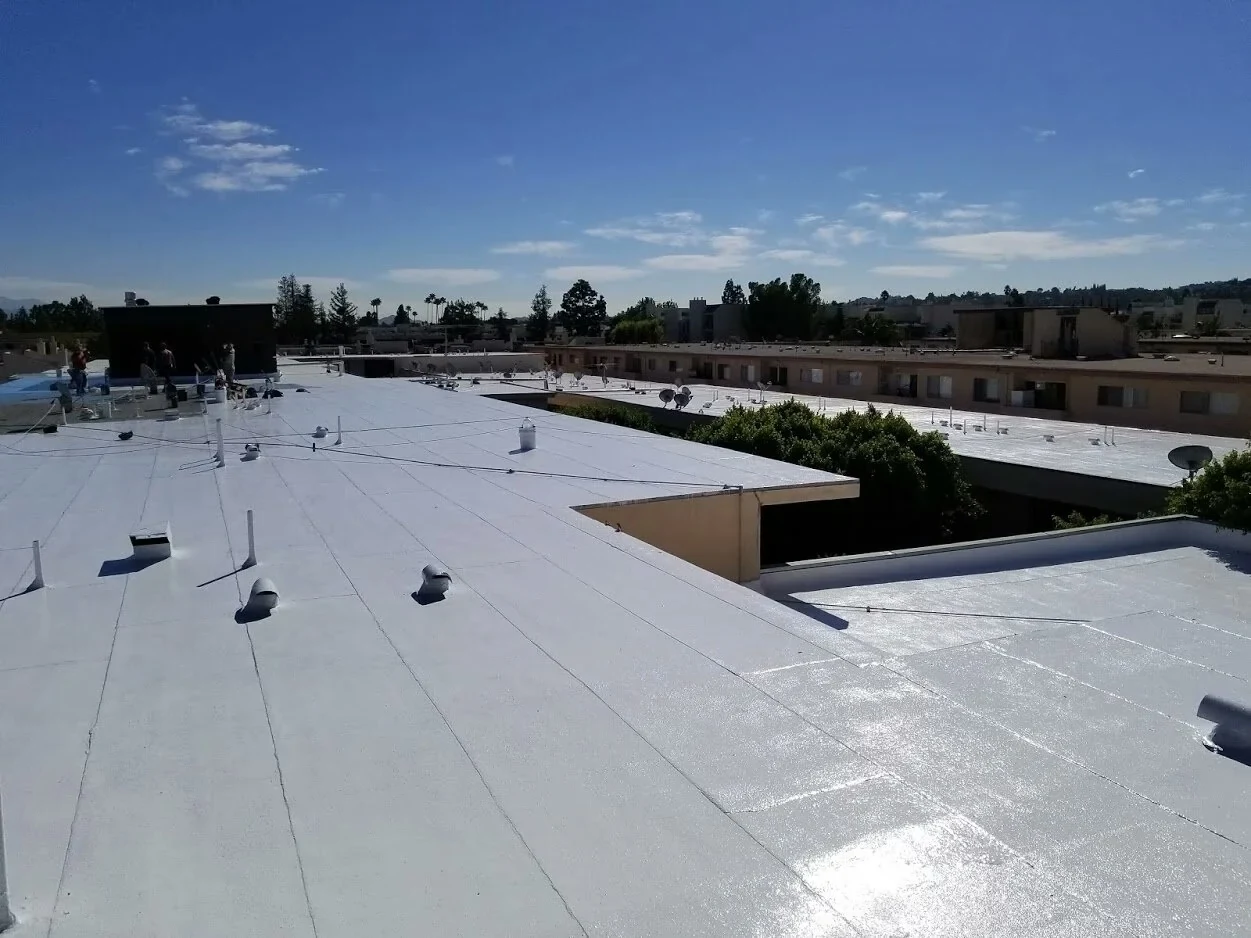
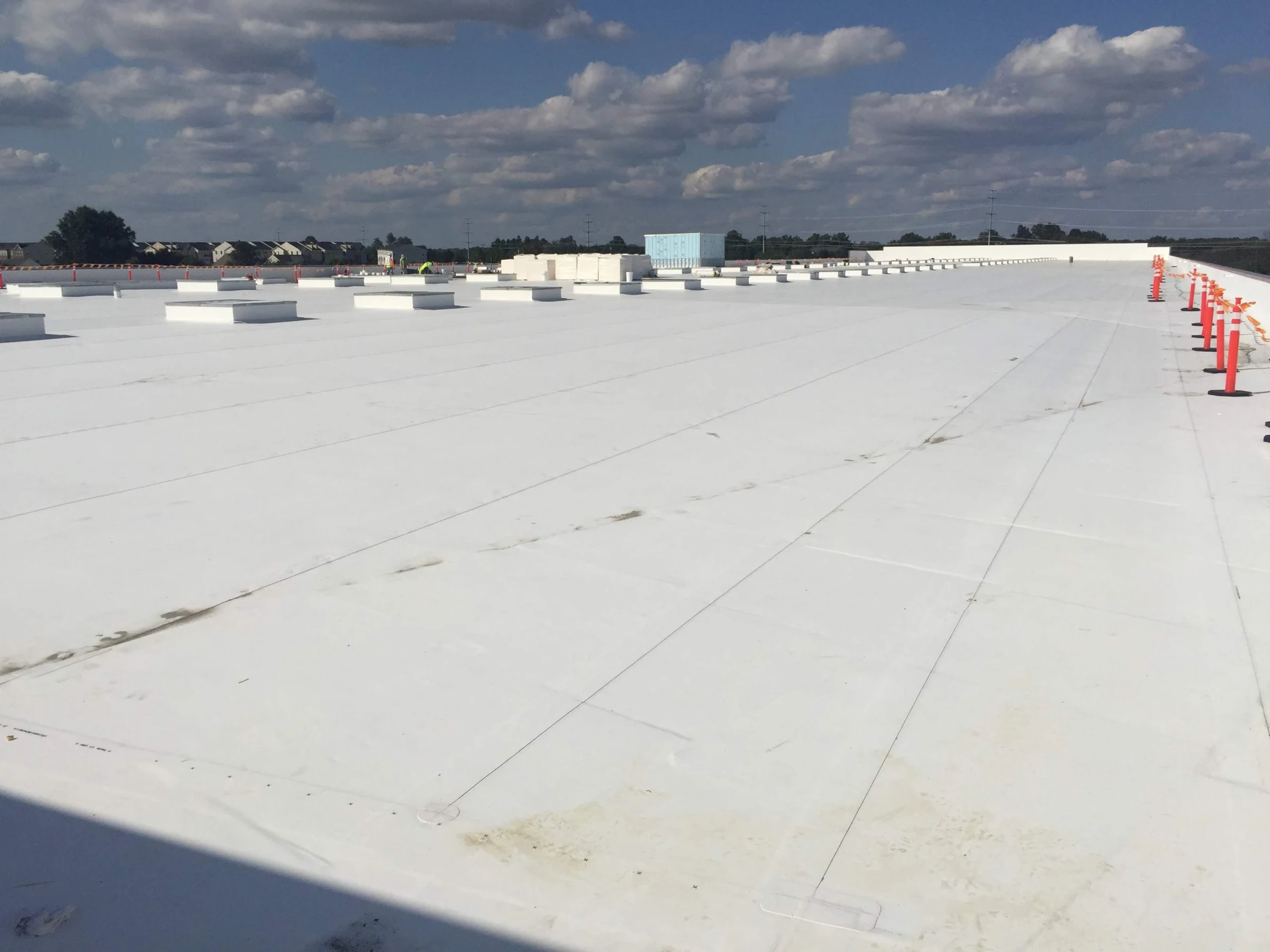
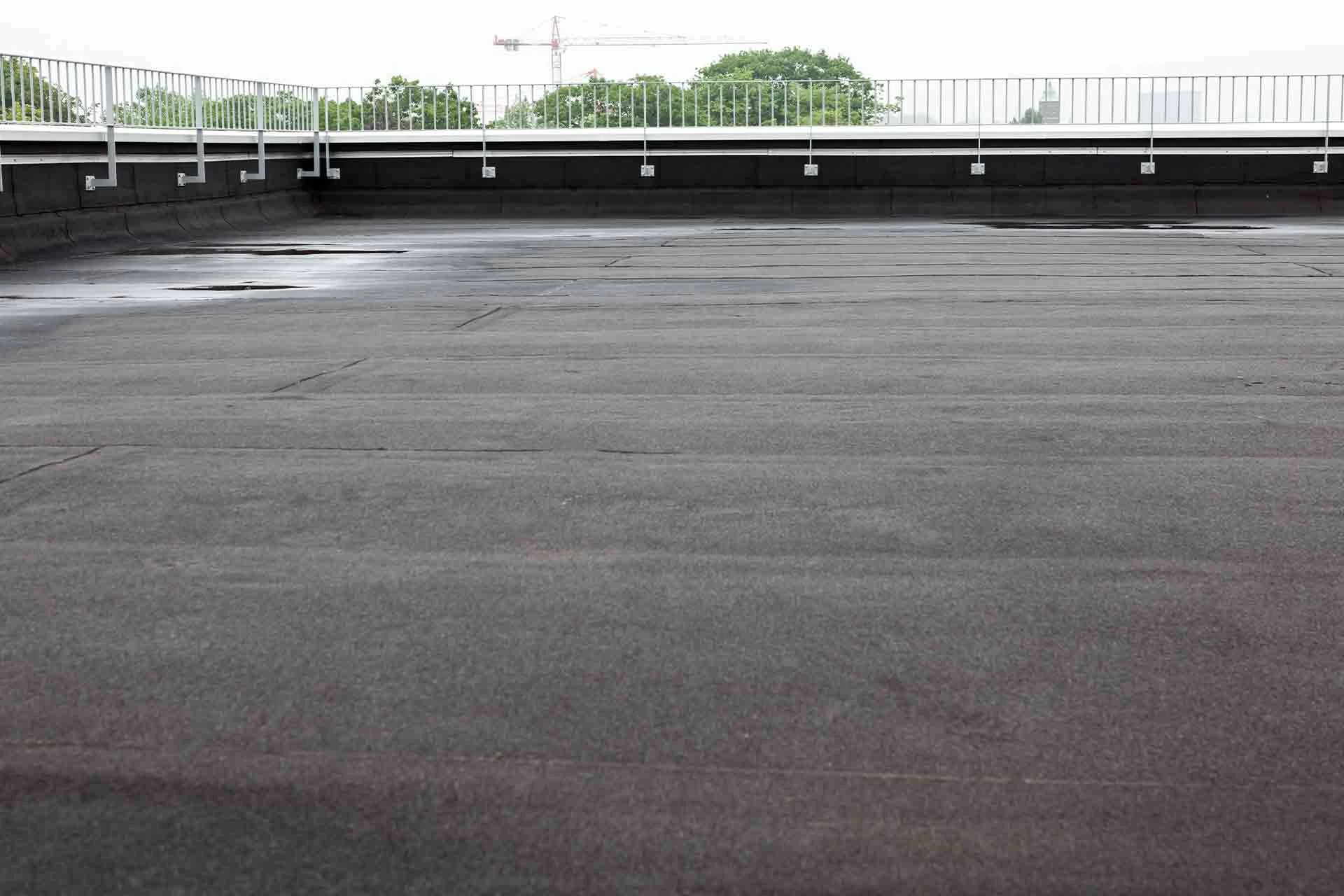
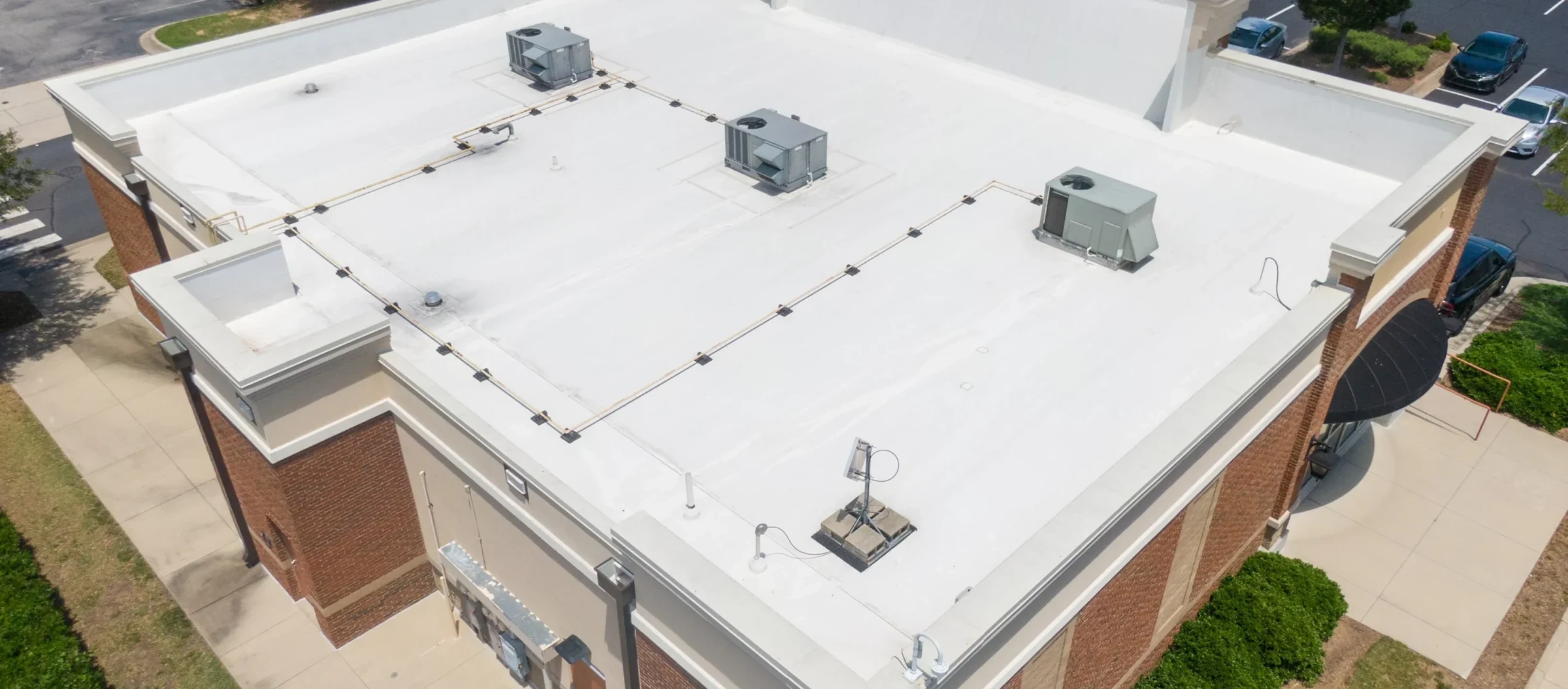
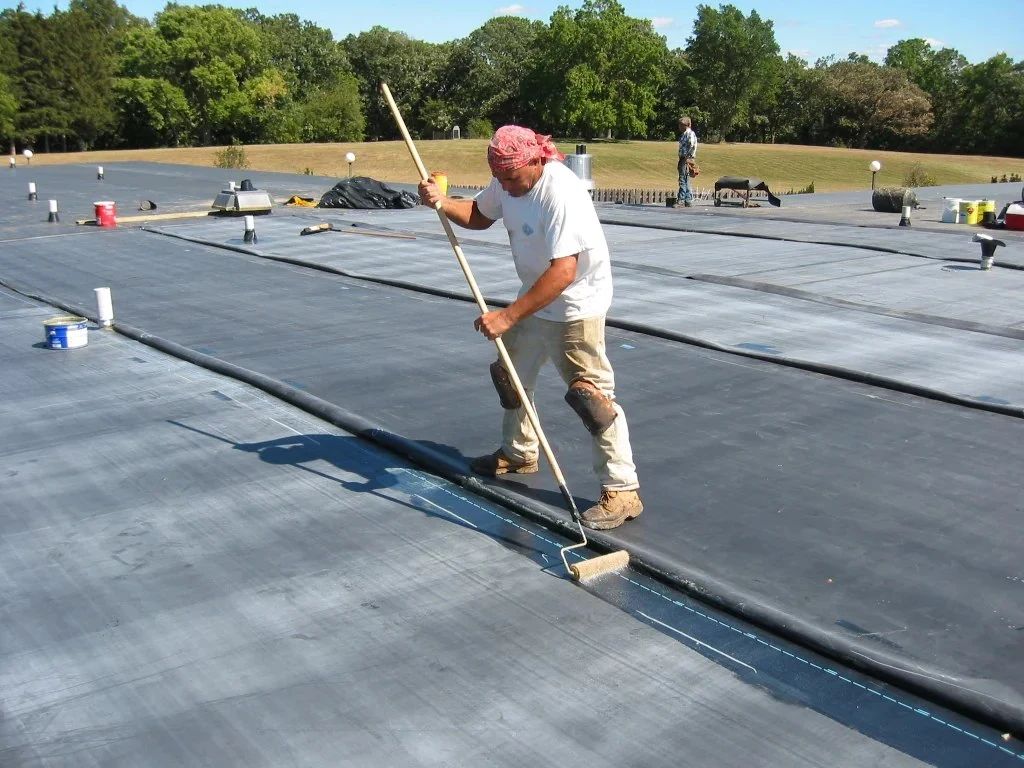
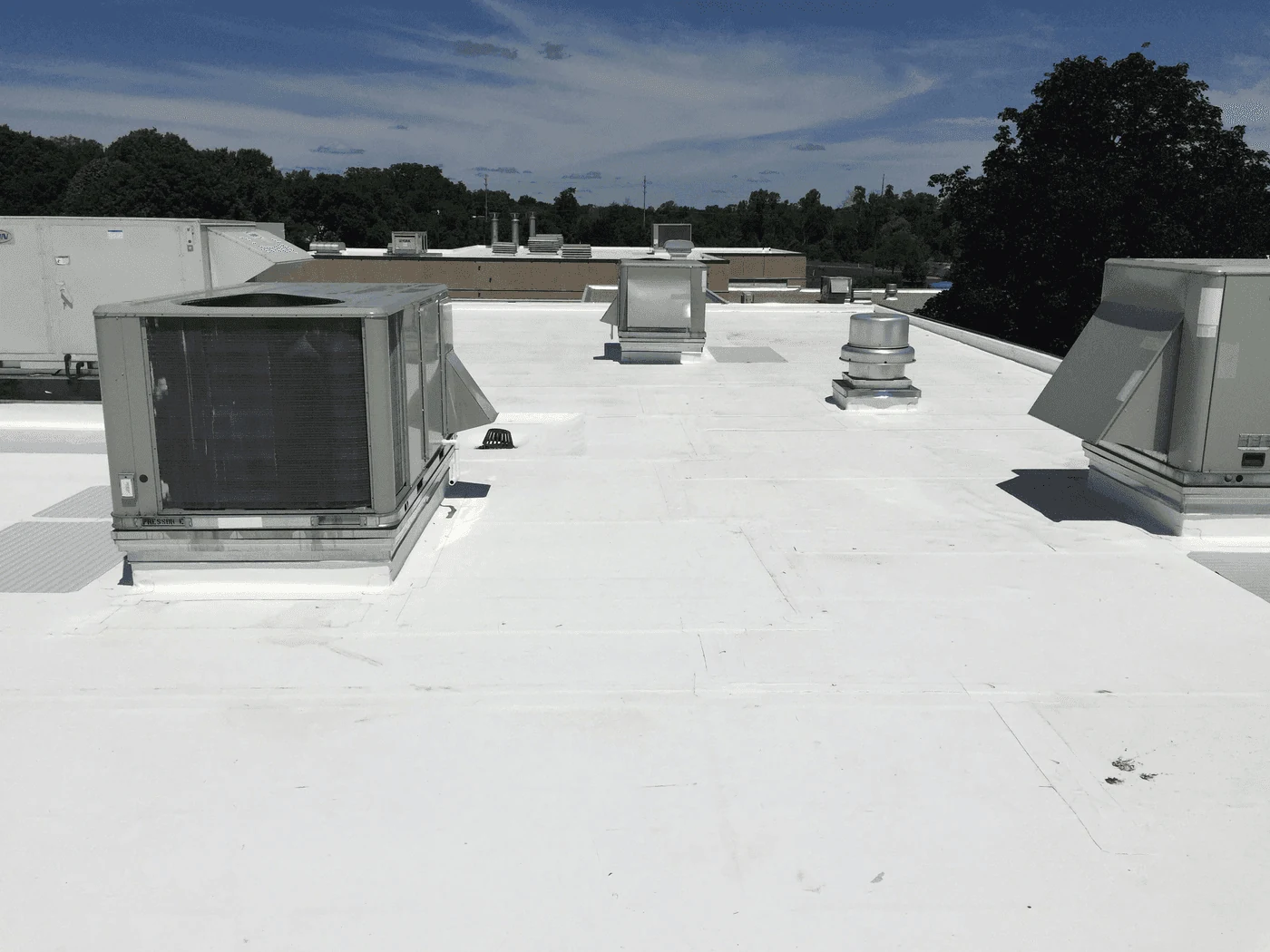
PVC is a single-ply thermoplastic membrane, similar in installation method to TPO, heat-welded seams, mechanically fastened or fully adhered field, but formulated with different plasticizers that give it strong resistance to grease, oils, and many industrial chemicals. That's the main reason to choose PVC over TPO on a project: restaurant kitchen exhaust roofs, food processing facilities, and buildings near fuel or chemical handling all put stress on a membrane that standard TPO isn't formulated to resist as well.
For a building without that specific exposure, PVC doesn't offer a meaningful advantage over TPO and typically costs more, so we don't default to it. Matching the membrane to the actual exposure the roof will see is the whole point of the recommendation.
Wind Uplift Performance for Coastal Buildings
PVC's wind-uplift performance depends on the same fastening and adhesion factors that govern TPO, field, perimeter, and corner fastening density engineered to the building's exposure category and height. For buildings closer to open water in Harrison County, we design the perimeter enhancement and edge metal rating to match the actual pressures the assembly needs to resist during a tropical wind event, not a generic pattern.
Heat-welded PVC seams create the same kind of fused bond that TPO seams do, which holds up better under sustained wind loading and thermal cycling than an adhesive-bonded seam. We verify seam weld strength during installation on every PVC project, particularly at penetrations and parapet transitions where wind uplift concentrates.
Chemical and Grease Resistance in Practice
The reason to spec PVC over TPO usually comes down to one specific condition: something is landing on the roof surface that a standard membrane can't handle long-term. Restaurant exhaust fans deposit grease-laden condensation on the roof around the hood vent. Some manufacturing processes vent chemicals that settle on nearby roof sections. Rooftop generators and fuel storage carry a spill risk. PVC resists degradation from these exposures in ways that standard TPO formulations don't.
We evaluate the actual source and reach of the exposure before recommending PVC across an entire roof versus PVC walkway pads or a localized PVC section around the specific equipment causing the exposure, sometimes a targeted solution costs less than membrane-wide PVC and solves the same problem.
Where PVC Earns Its Place on a Gulfport Roof
We recommend PVC in specific, exposure-driven situations:
- Restaurant and food-service buildings with kitchen exhaust venting onto or near the roof
- Food processing or manufacturing facilities near the port with oil, grease, or chemical handling
- Buildings with rooftop generators, fuel tanks, or equipment carrying a spill risk
- Industrial roofs adjacent to chemical storage or processing operations
- Roofs requiring high fire resistance ratings for specific occupancy classifications
- Long-term ownership situations where PVC's typically longer service life in harsh-exposure conditions offsets the higher material cost
UV, Humidity, and Long-Term Weathering on This Coast
PVC handles UV exposure well, and its formulation resists the surface degradation that can affect lower-grade membranes under years of intense Gulf Coast sun. High humidity doesn't affect the membrane material directly, though as with any low-slope system, the real risk is standing water from inadequate drainage rather than humidity itself. We verify slope and drain sizing on every PVC scope, since this coast's tropical rain volume during hurricane season and routine summer storms alike stresses any drainage weakness quickly.
Salt-air exposure has minimal direct effect on the PVC membrane. As with every system on this coast, the corrosion risk sits in the fasteners, edge metal, and rooftop equipment hardware, so we spec corrosion-resistant components on coastal PVC projects the same as we would on TPO or EPDM.
Questions Owners Ask About PVC Roofing
Is PVC roofing worth the extra cost over TPO?
Only if your roof faces grease, chemical, or oil exposure that standard TPO isn't formulated to resist. Without that exposure, TPO typically performs comparably at a lower cost.
Can PVC handle hurricane-force wind uplift?
Yes, when the fastening pattern and edge details are engineered to the building's actual wind-uplift rating. The membrane itself doesn't determine wind performance, the full assembly design does.
Does PVC resist grease from restaurant kitchen exhaust better than TPO?
Yes, PVC's chemical formulation is specifically more resistant to grease and oil exposure than standard TPO, which is why it's the common recommendation for restaurant roofs near kitchen exhaust vents.
How long does PVC roofing last on a coastal building?
With proper installation and drainage, PVC commonly performs for 20 years or more, and its chemical resistance can extend service life specifically in harsh-exposure conditions where other membranes would degrade faster.
Do I need PVC over the entire roof or just near the exposure source?
Often a targeted approach, PVC walkway pads or a PVC section near the specific exposure source, solves the problem without the cost of a full PVC roof. We evaluate the actual reach of the exposure before recommending either approach.