The Perimeter Detail That Decides Whether a Roof Survives a Storm
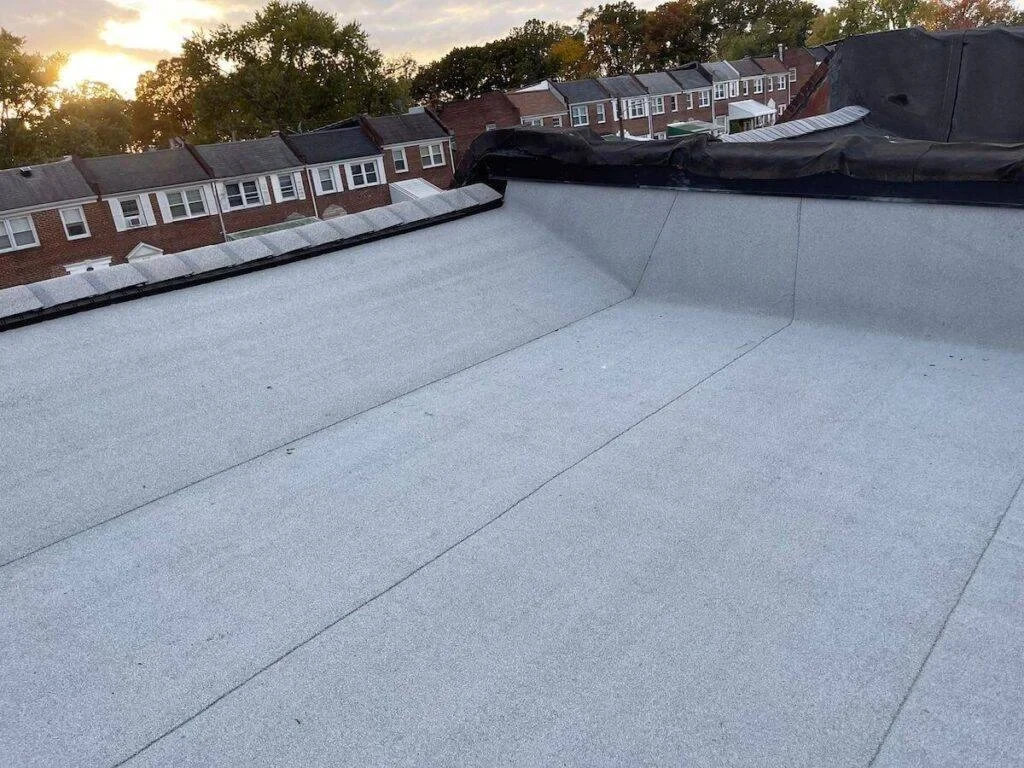
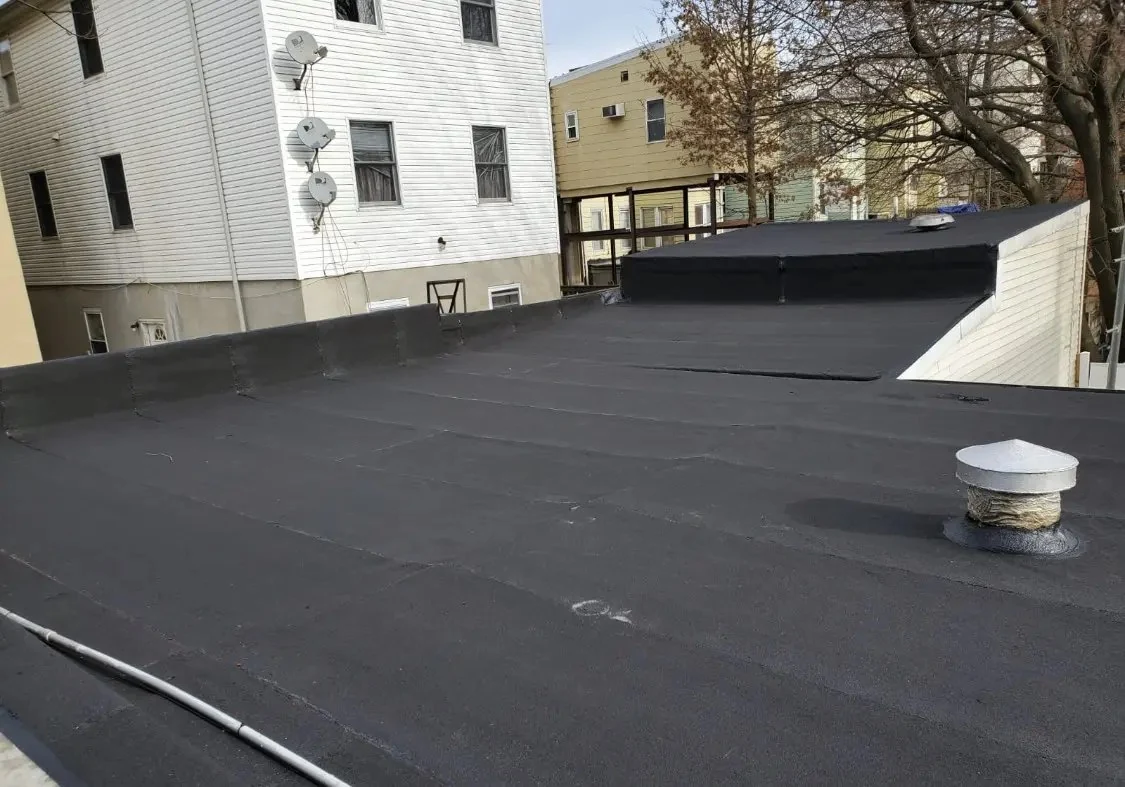
Most roof failures in a wind event start at the edge, not the field. Loose or under-fastened edge metal gives wind a place to get underneath the membrane, and once that happens the damage spreads inward fast. We treat perimeter metal as a wind-critical component, not a finishing detail.
Why Edge Metal Fails First
Wind uplift pressure is highest at roof corners and perimeter edges, which means edge metal, coping caps, and gutter attachment take the most load of anything on the roof during a storm. A fastening pattern that's technically installed but not rated for the building's actual wind exposure category is one of the most common failure points we find on coastal commercial roofs.
Salt air compounds the problem over time, corroding fasteners and thinning metal from the underside where it's hardest to spot during a casual walk-through. Edge metal that looks fine from a few feet away can already be compromised where it counts, at the fastener.
We treat edge metal inspection as a hands-on task, not a visual one. Checking cleat engagement and fastener tightness by hand, rather than only looking at the line of the metal from a distance, is the only reliable way to catch corrosion-driven loosening before wind finds it first. A visual walk from ten feet away simply doesn't reveal a fastener that's lost most of its holding strength but hasn't visibly moved yet.
What a Properly Installed System Looks Like
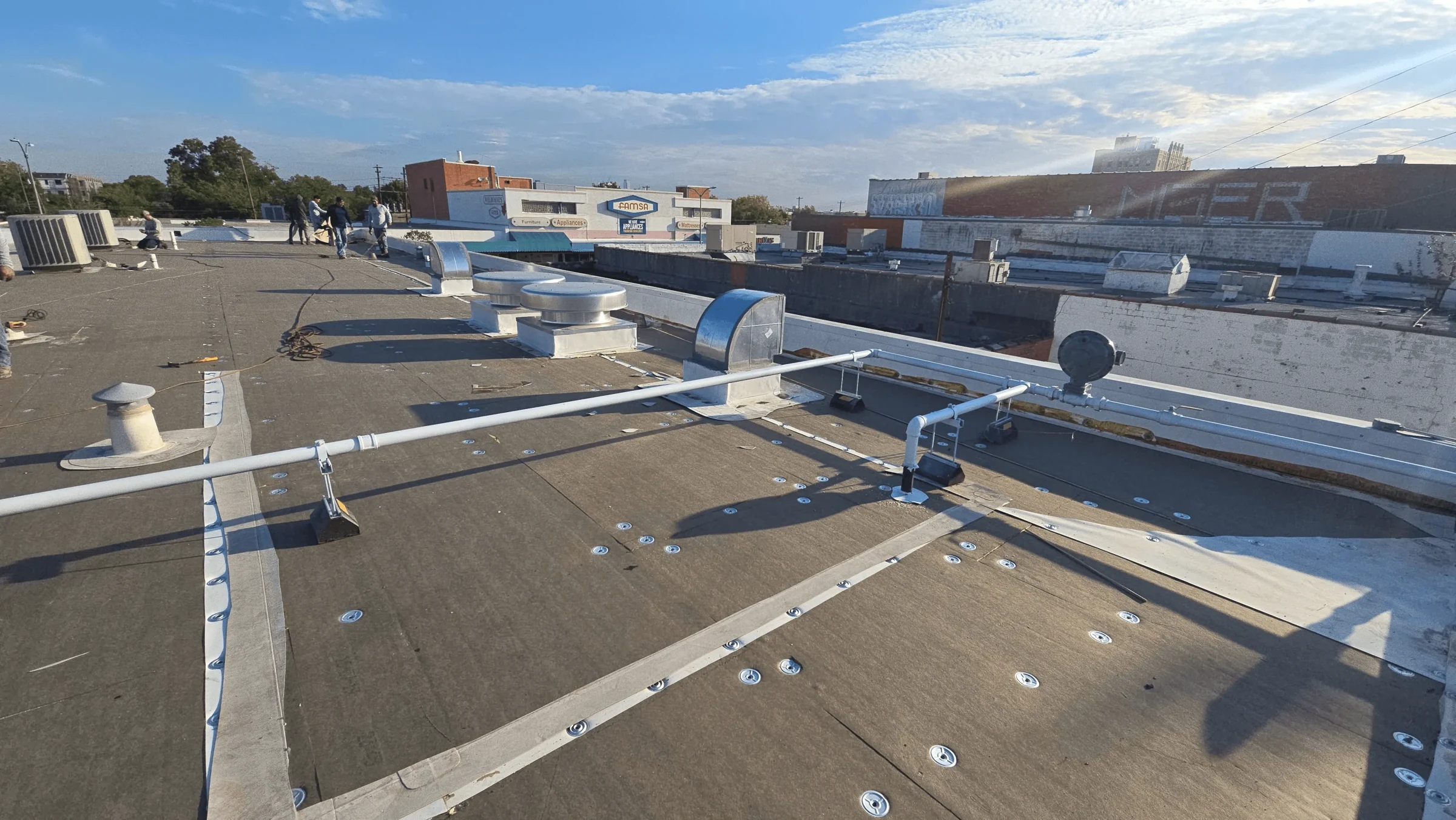
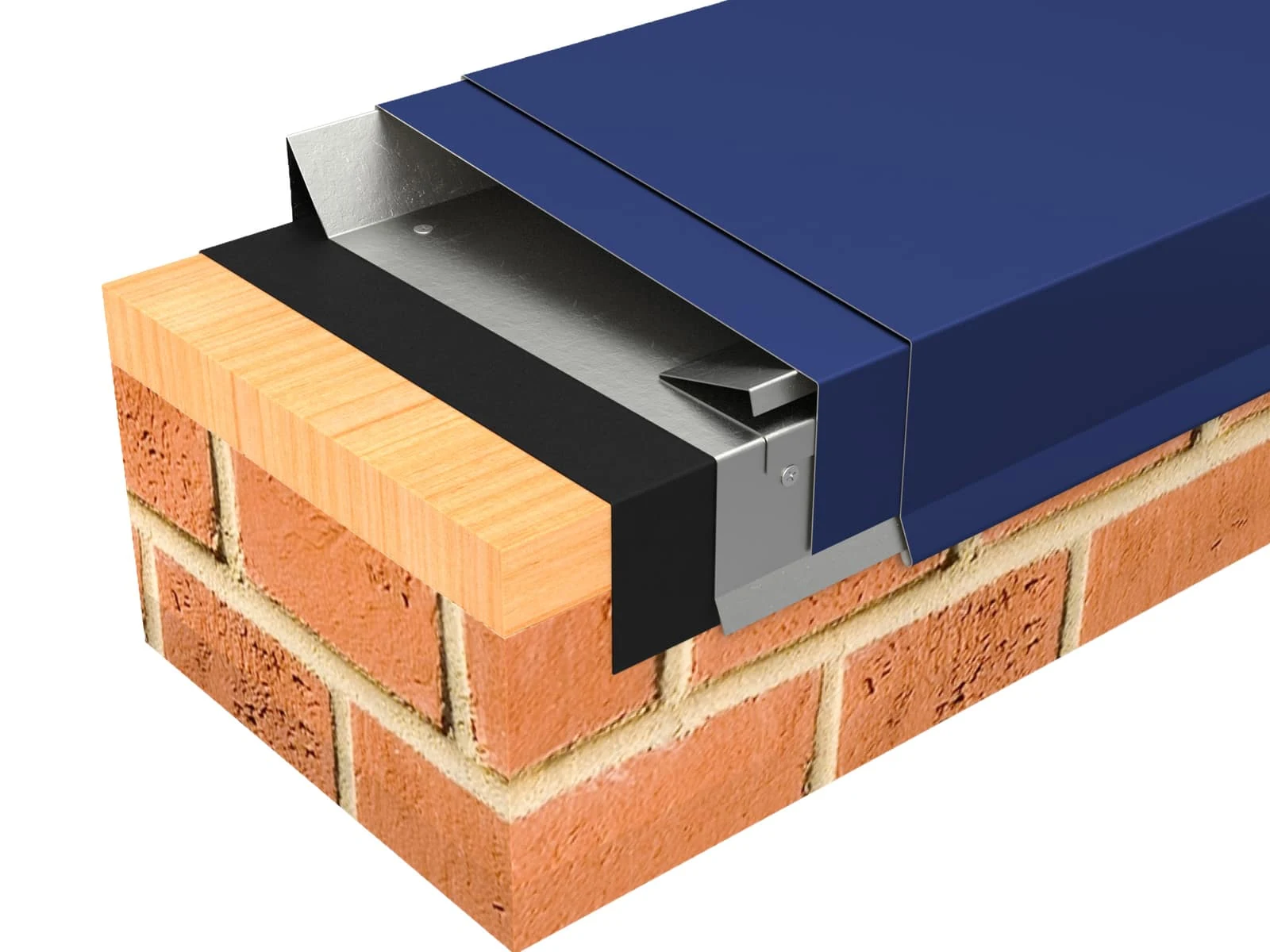
We install and repair edge metal per ANSI/SPRI ES-1 wind design pressure requirements, matching fastener spacing and cleat design to the specific building's exposure rather than a generic pattern. Coping caps get sealed and fastened to resist both uplift and wind-driven rain intrusion at the seams, since a coping joint that opens under wind pressure lets water into the wall assembly below.
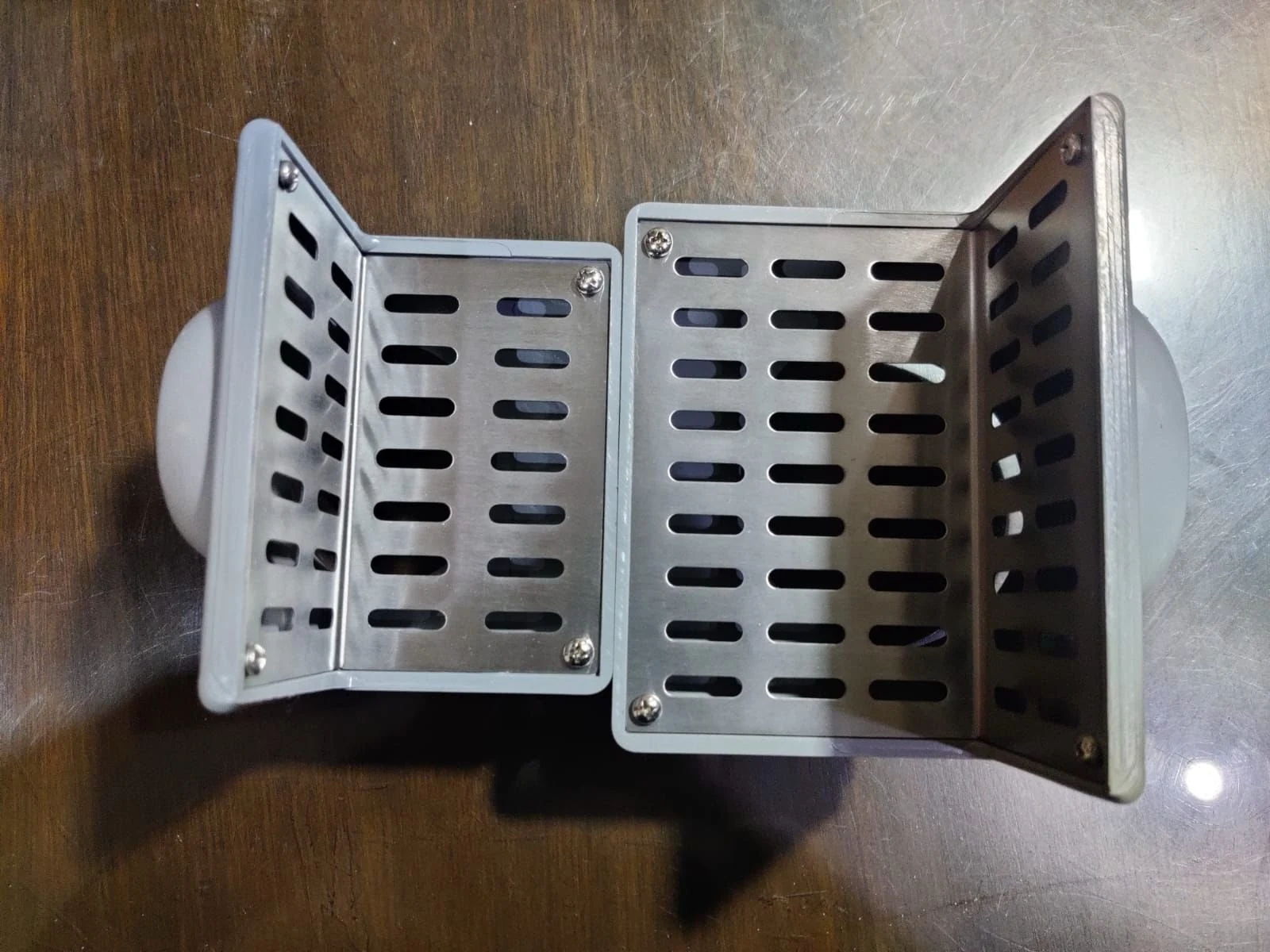
Gutters and downspouts get sized for the rainfall intensity this market actually sees, since undersized drainage during a heavy tropical downpour backs water up at the roof edge exactly where you don't want standing water during a storm.
Common Perimeter Problems We Find
- Edge metal fastened with a pattern rated for a lower wind exposure than the building actually sits in
- Coping caps with failed sealant letting water into the wall below
- Corroded fasteners at cleats and laps from long-term salt air exposure
- Gutters undersized for the rainfall this market receives
- Downspouts clogged or disconnected, pushing water back toward the roof edge
- Loose or missing cleats found only after wind has already started lifting a section
Perimeter Work as Part of a Larger Roof Plan
Edge metal and gutter condition should be checked every time a roof gets a maintenance visit or storm-season inspection, since it's the component most likely to fail first and the one most likely to go unnoticed until it does. On a full re-roof or tear-off project, we always rebuild perimeter detail to current wind design pressure requirements rather than matching what was there before, since older buildings were often built to a lower standard than current codes require.
This work pairs closely with drainage, see our roof drains and scuppers page for how we handle interior drainage on flatter roof designs.
Metal Gauge and Finish Choices for a Salt-Air Environment
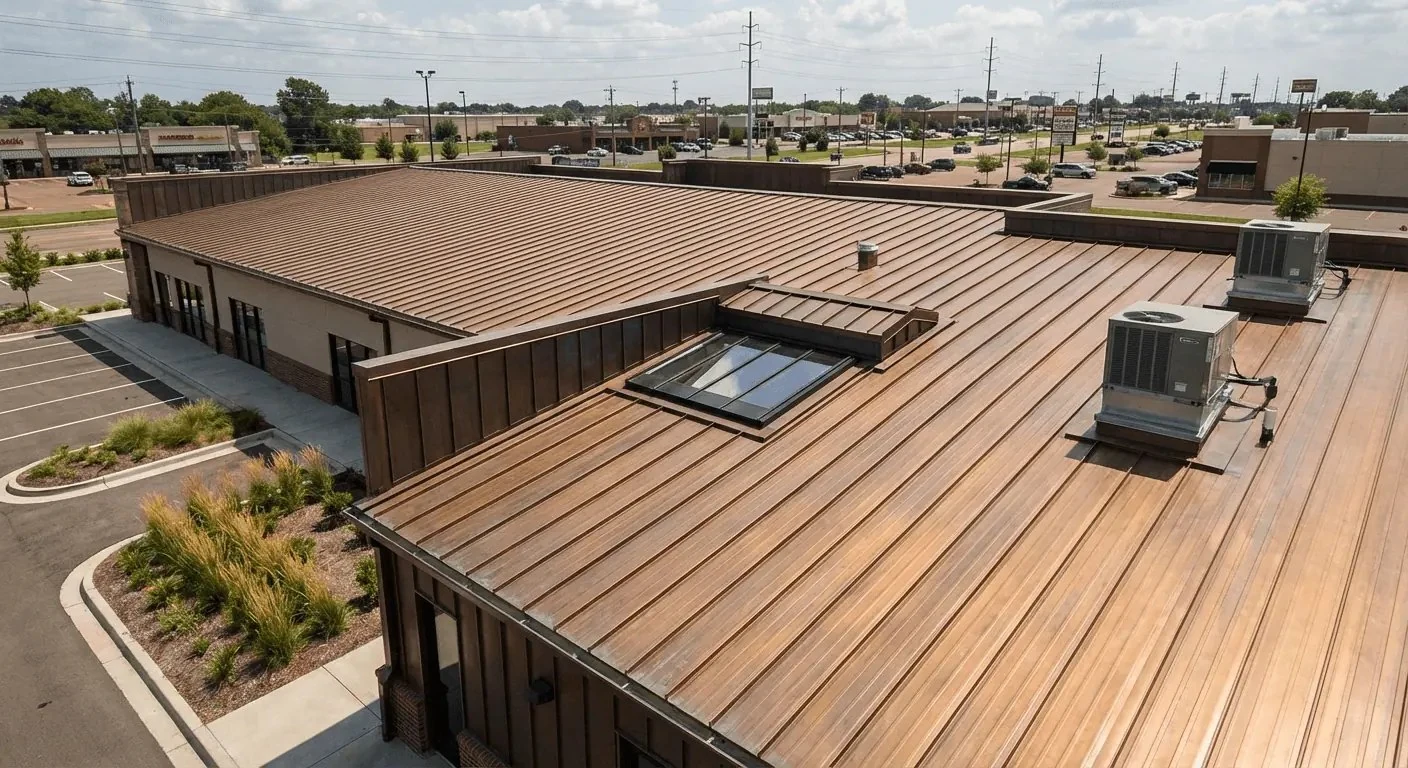
Not every edge metal product performs the same near the Gulf. Thinner gauge material and lower-grade finishes corrode faster under salt exposure, and we've replaced perimeter metal on buildings less than a decade old where a budget-grade product was specified without accounting for how close the building sits to the water. Heavier gauge steel or aluminum with a coastal-rated finish costs more up front but holds fastener integrity far longer in this environment.
We walk owners through that trade-off directly rather than defaulting to the cheapest compliant option, since edge metal replacement on an occupied building is disruptive enough that doing it twice in fifteen years costs more, in both dollars and downtime, than specifying the right material correctly the first time around, before the corrosion has a chance to start.
Edge Metal and Gutter Questions
How do I know if my building's edge metal is rated for the local wind zone?
We evaluate fastener spacing, cleat design, and metal gauge against ANSI/SPRI ES-1 requirements for the building's specific wind exposure category during inspection, and flag anything that doesn't meet current standards.
Can edge metal be repaired, or does it need full replacement?
Sections with isolated fastener failure or minor corrosion can often be repaired. Widespread corrosion or a fastening pattern that's fundamentally under-rated for the building's exposure typically calls for full perimeter replacement.
How often should gutters be cleared on a commercial roof here?
Given the volume and intensity of rain this market sees, we recommend checking drains and gutters at each maintenance visit and again ahead of hurricane season, more often on properties near tree cover or industrial dust sources.
Does coping cap sealant failure always mean a leak?
Not immediately, but it's a matter of time. Failed sealant at coping joints lets wind-driven rain track into the wall assembly, and that moisture damage often shows up well before an obvious roof leak does.
Is edge metal replacement included in a full re-roof?
Yes, we rebuild edge metal and coping to current wind design standards as part of any full tear-off and replacement, since reusing old perimeter metal undermines the wind performance of the whole new system.