Standing Seam Metal Roofs Built for Hurricane Wind
Standing seam metal is the system we recommend most often when an owner wants a roof that will still be intact after the storm that took out the building next door. Concealed fasteners, engineered clip spacing, and a coastal-grade finish make it one of the strongest options available for casino porte-cocheres, hotel towers, and any architectural roof where appearance matters alongside performance.
Why Concealed Fasteners Matter in Hurricane Wind
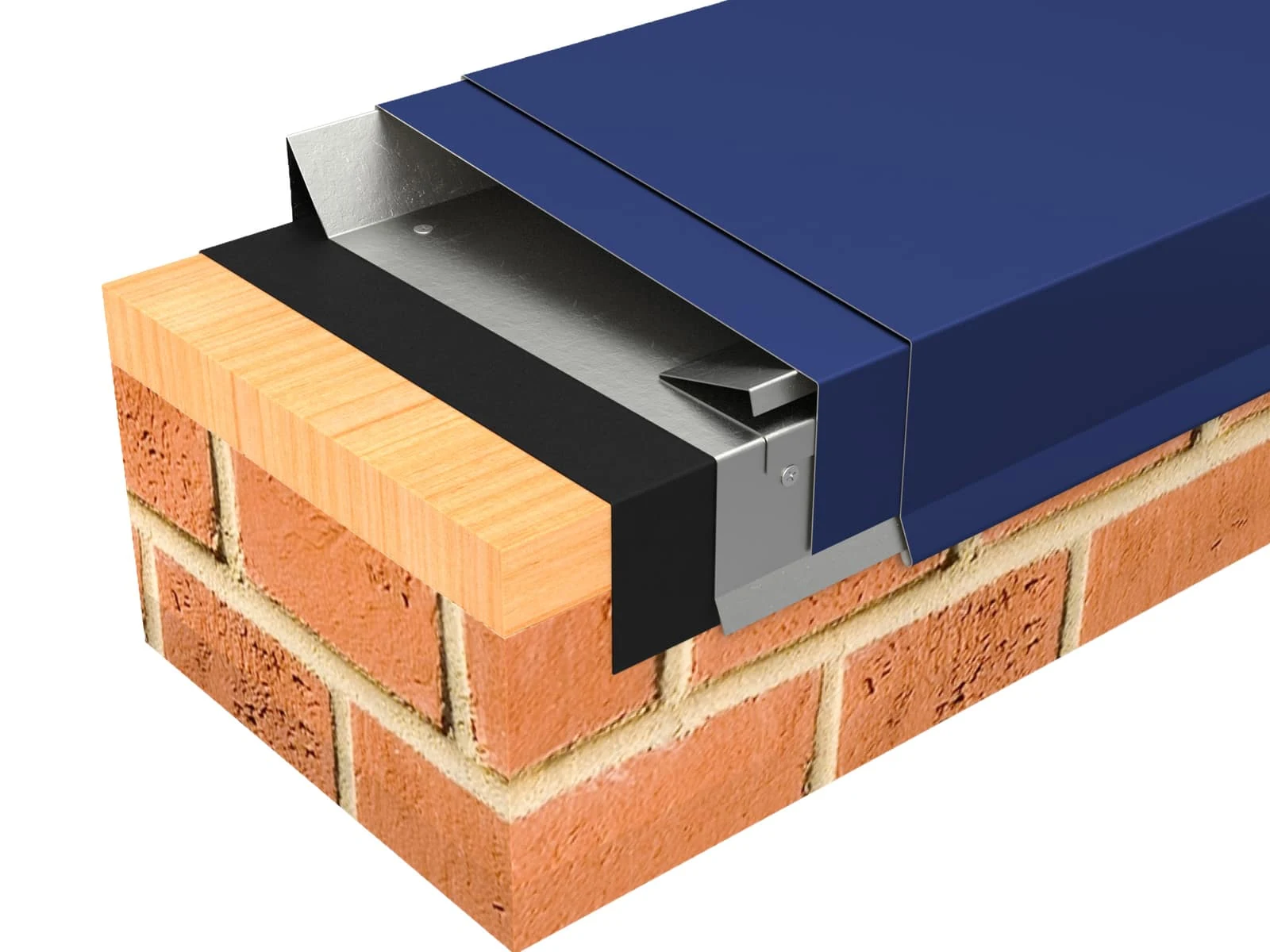
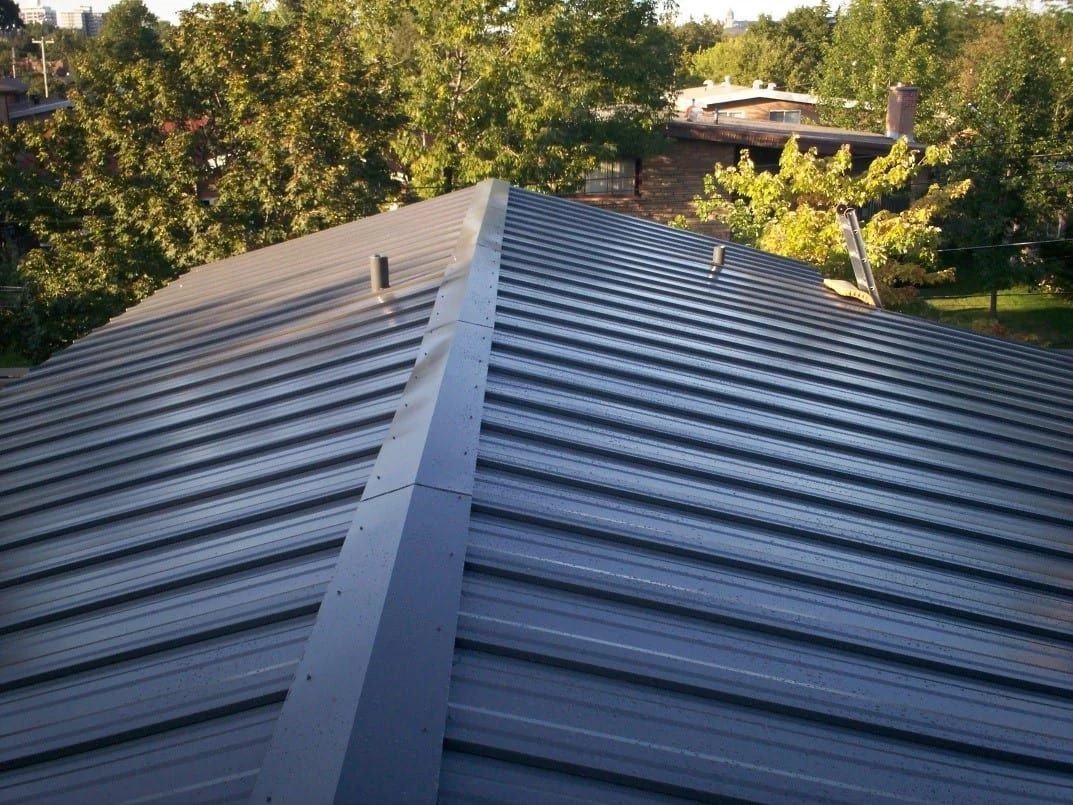
Unlike exposed-fastener metal panels, standing seam systems attach through concealed clips underneath the panel seams rather than screws punched through the panel face. That difference is not cosmetic - exposed fasteners are the first failure point in high wind because each screw penetration is a spot where the panel can work loose or the gasket underneath can fail from UV and thermal cycling over years. Standing seam eliminates almost all of that exposure, which is a meaningful advantage on a coast where every roof eventually faces sustained hurricane-force wind.
The clip system itself does the real work. Clips allow the panel to expand and contract with temperature swings without transferring stress to the fastener, while still holding the panel down against uplift pressure. Clip spacing and type get engineered to the specific wind uplift requirements for the building's height and exposure category, not applied as a one-size spec across every job.
Panel Profile and Seam Type
Mechanically seamed panels, where a machine crimps the seam closed on site, generally outperform snap-lock panels in wind uplift testing and are what we specify on higher-exposure buildings closer to open water. Snap-lock panels install faster and cost less, and remain a reasonable choice on lower-exposure buildings set back from the coastline, but the tradeoff should be a deliberate decision, not a default.
Panel gauge matters just as much as seam type. A thinner panel might meet a baseline wind rating in isolation but perform differently once it is factoring in decades of thermal cycling and salt exposure, so we spec gauge based on the building's actual location and expected service life rather than the minimum that passes an initial calculation.
Coastal Finishes and Corrosion Resistance
Salt air off the Mississippi Sound accelerates corrosion on standard galvanized steel finishes faster than most owners expect, particularly on buildings within the first mile or two of open water. We specify Kynar-based or comparable high-performance coatings on coastal projects, since the finish is what actually stands between the panel substrate and decades of salt exposure, not merely an aesthetic choice.
Fastener and clip material matters just as much as the panel finish. Stainless steel or coated fasteners hold up considerably longer than standard zinc-coated hardware in this environment, and mixing incompatible metals at any connection point sets up galvanic corrosion that can undermine an otherwise well-installed roof years ahead of schedule.
Where Standing Seam Gets Specified on This Coast
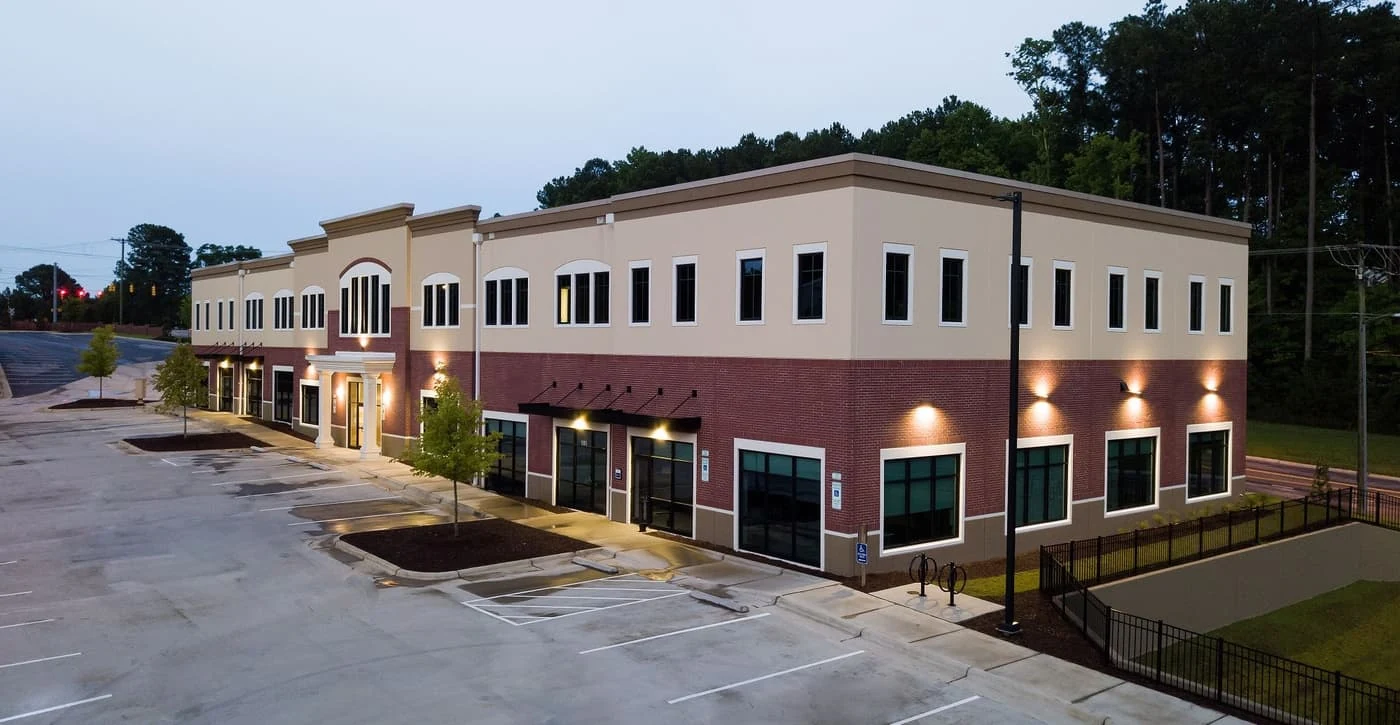
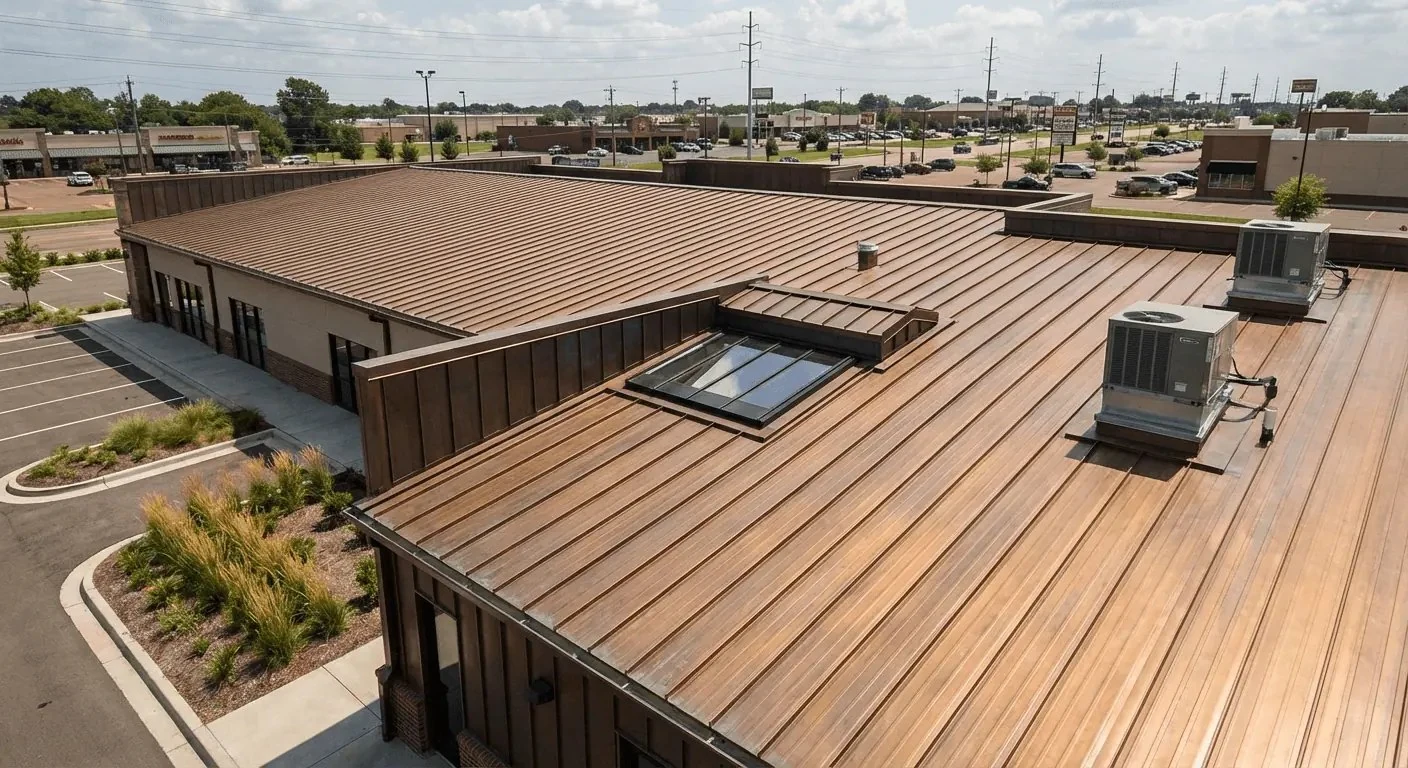
Casino and hotel properties along the beachfront specify standing seam on porte-cocheres, entry canopies, and architectural roof sections where appearance is part of the guest experience, not solely weather protection. It also shows up on newer distribution and light-industrial buildings where an owner wants a longer service life than exposed-fastener metal offers.
- Casino and hotel porte-cocheres and architectural entry roofs
- Beachfront and near-water buildings needing top-tier corrosion resistance
- Government and municipal buildings with long ownership horizons
- Newer distribution buildings specified for a longer service life
- Roof replacements following repeated exposed-fastener panel failures
Inspection and Maintenance Priorities
Standing seam roofs need far less routine maintenance than exposed-fastener systems, but the items that do matter are worth checking on a regular schedule - clip and seam integrity at high-stress areas like ridges and eaves, sealant condition at penetrations and transitions, and any sign of coating degradation that would expose bare metal to salt air. Post-storm inspections focus on panel edges and terminations first, since that is where uplift pressure concentrates during a hurricane. On a beachfront porte-cochere or entry canopy, we also check the underside of the panels where visible, since a clip that has started to loosen often shows movement there long before any sign appears on the exposed surface.
Questions We Get About Standing Seam Metal Roofing
Is standing seam actually worth the extra cost over exposed-fastener panels?
On buildings with real hurricane exposure, yes. The reduced failure points and stronger wind uplift performance generally justify the premium over the life of the roof, particularly on structures the owner intends to hold long-term.
Can standing seam metal be installed over an existing membrane roof?
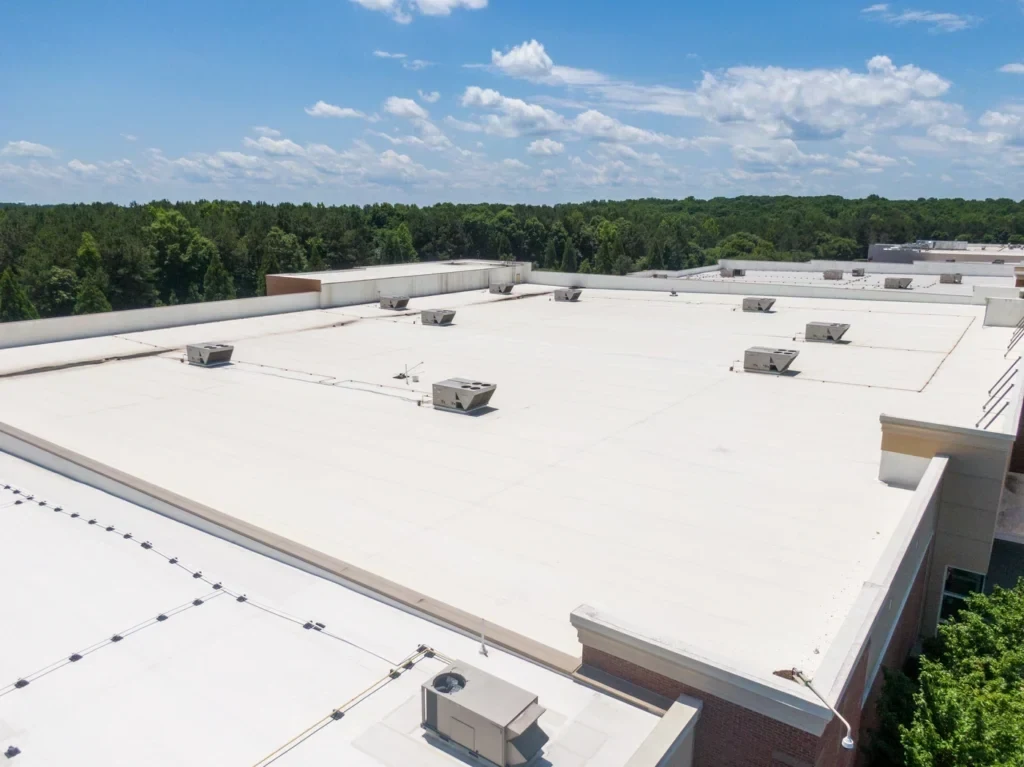
In some cases, using a retrofit framing system, but the existing roof and structure need evaluation first to confirm it can support the additional load and provide a stable attachment surface.
How does salt air affect standing seam panels over time?
Finish quality is the deciding factor - a high-performance coastal coating resists corrosion for decades, while a standard finish can show chalking and early corrosion within several years this close to open water.
What wind rating should a coastal standing seam roof carry?
The required rating depends on the building's height, shape, and exposure category under current code, which is why we run a project-specific wind load calculation rather than quoting a generic rating.
How long does a well-installed standing seam roof last on this coast?
Forty years or more is achievable with the right panel gauge, coastal-grade finish, and clip engineering, though periodic sealant and fastener inspection is still part of getting that full service life.