Commercial Roof Insurance Claim Assistance in Gulfport, MS
The first roof walk after storm damage sets the tone for the whole claim. Whoever gets up there first with a camera, a moisture meter, and a clear read on what actually failed determines whether the claim file starts strong or starts thin. We're the contractor doing that first roof walk for a lot of Gulfport-Biloxi properties, and the scope we document becomes the backbone of what the owner brings to their adjuster.
What a Claim-Ready Inspection Actually Covers
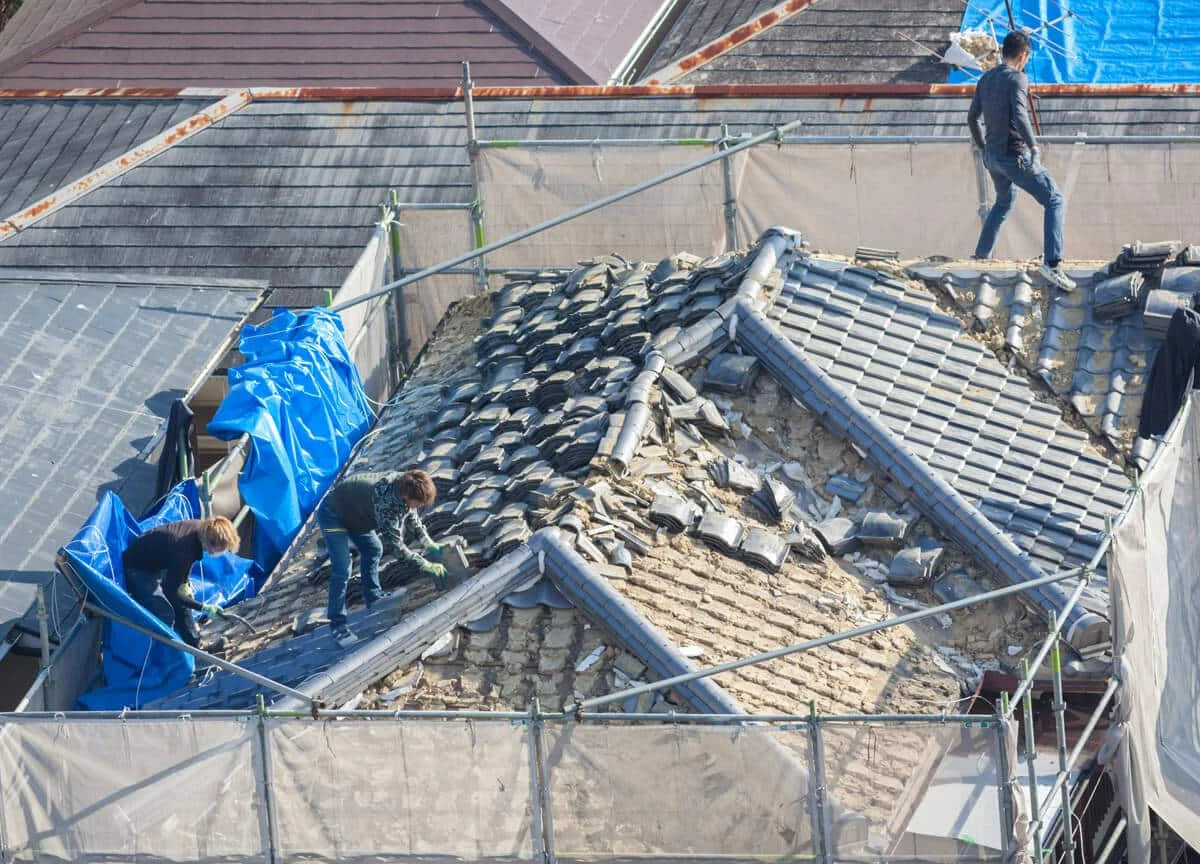
A claim-ready inspection is different from a routine maintenance check. We walk every zone of the roof, field, perimeter, penetrations, drains, and photograph what we find with enough context that someone who never set foot on the property can understand it later: wide shots that place the damage on the roof, close shots that show the failure itself, and moisture readings where water intrusion is suspected but not yet visible on the deck below.
We measure, not estimate. Torn membrane gets measured in square footage, not described as "a section." Lifted edge metal gets its linear footage recorded rather than only photographed. That level of specificity is what separates a scope an adjuster can price accurately from one that gets negotiated down because it reads as vague.
Meeting the Adjuster on the Roof
When an owner asks us to be present for the adjuster's inspection, we walk the roof alongside them and point to the same damage we documented, in the same terms. An adjuster working from a written scope with photos and measurements moves faster and more accurately than one relying on a verbal description or a handful of ground-level photos taken in the confusion right after a storm.
We're a roofing contractor at that meeting, not a public adjuster and not the owner's representative in the negotiation. Our role is to make sure the physical condition of the roof is accurately understood by everyone standing on it. What the carrier ultimately approves is a conversation between the owner, their agent, and the adjuster.
Building the Complete Scope Beyond the Obvious Damage
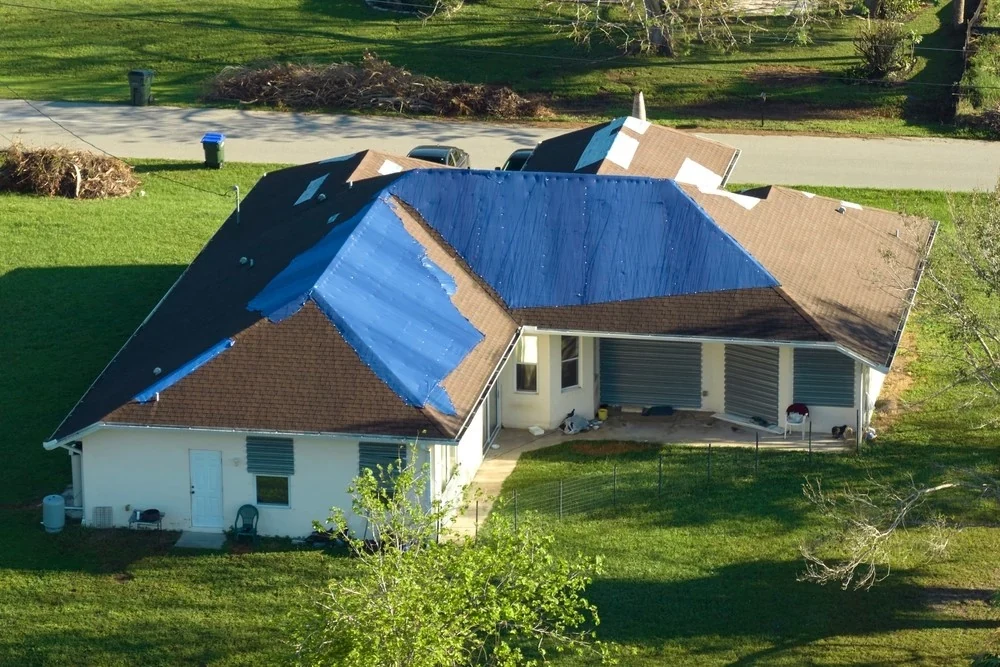
A scope that only lists the visibly torn membrane or the obviously bent edge metal usually misses money the owner is entitled to. Code and ordinance upgrades required to bring a repaired section up to current standards, matching requirements when a partial replacement would leave a visibly mismatched roof, and secondary damage like soaked insulation under an intact-looking membrane all belong in a complete scope. We itemize each of those separately so nothing gets folded into a vague line item and quietly dropped during review.
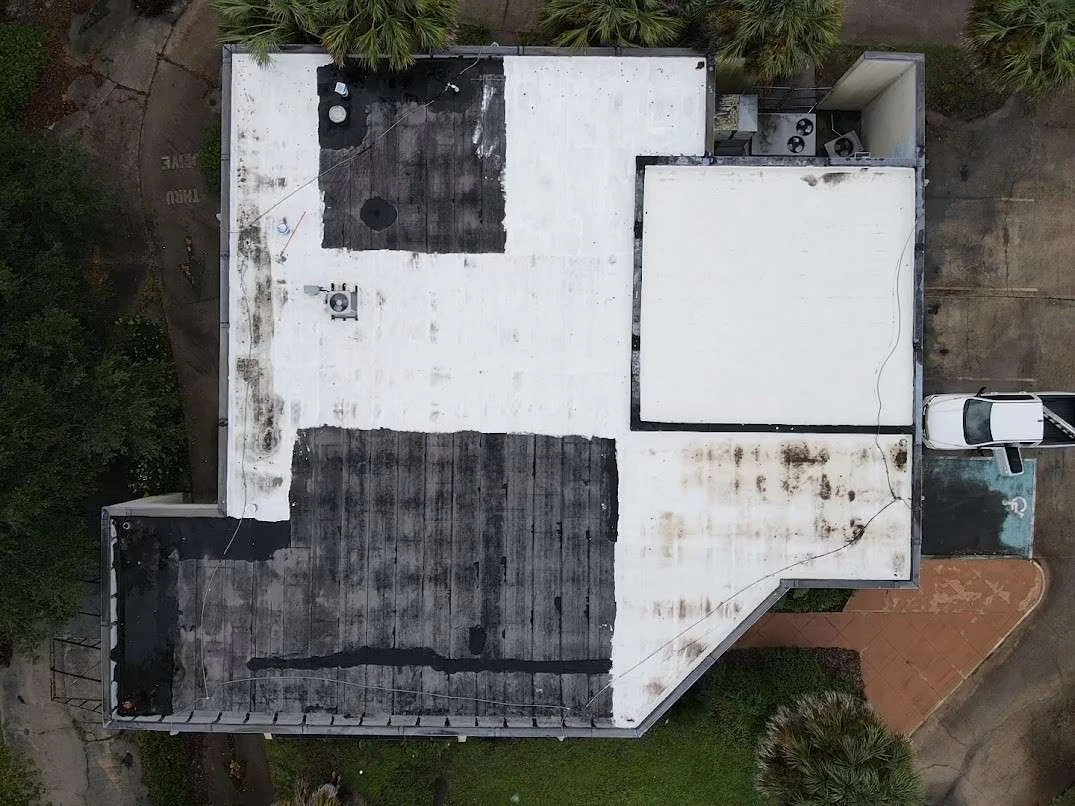
Matching is a real issue on this coast, where a lot of commercial roofs have been recovered or patched more than once already. If a carrier's initial scope proposes a partial repair that would leave one section of membrane visibly different in age and color from the rest, we document that mismatch and note it as part of the full scope, not as an afterthought.
When a Claim Comes Back Denied or Underpaid
A denial or a low initial offer isn't always the end of the conversation. We've seen scopes come back missing entire categories of damage, drainage systems, rooftop equipment curbs, interior insulation, simply because nobody got eyes on those areas during the first inspection. When an owner brings us a denied or underpaid claim, we go back to the roof, document what's actually there against what the carrier's scope shows, and give the owner an accurate, itemized account of the gap.
We don't promise a reversal. What we can promise is an honest, complete accounting of roof condition that the owner and their agent can use however they see fit in reopening the conversation with the carrier.
Casinos, Hotels, and Port Warehouses: Different Roofs, Different Scopes
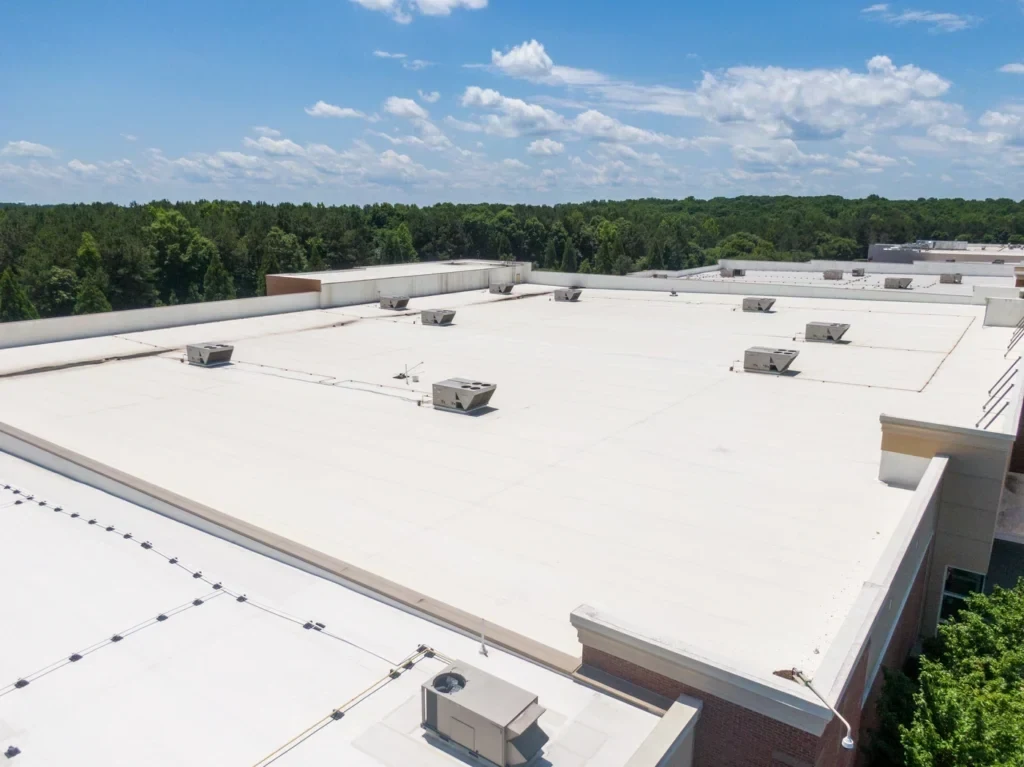
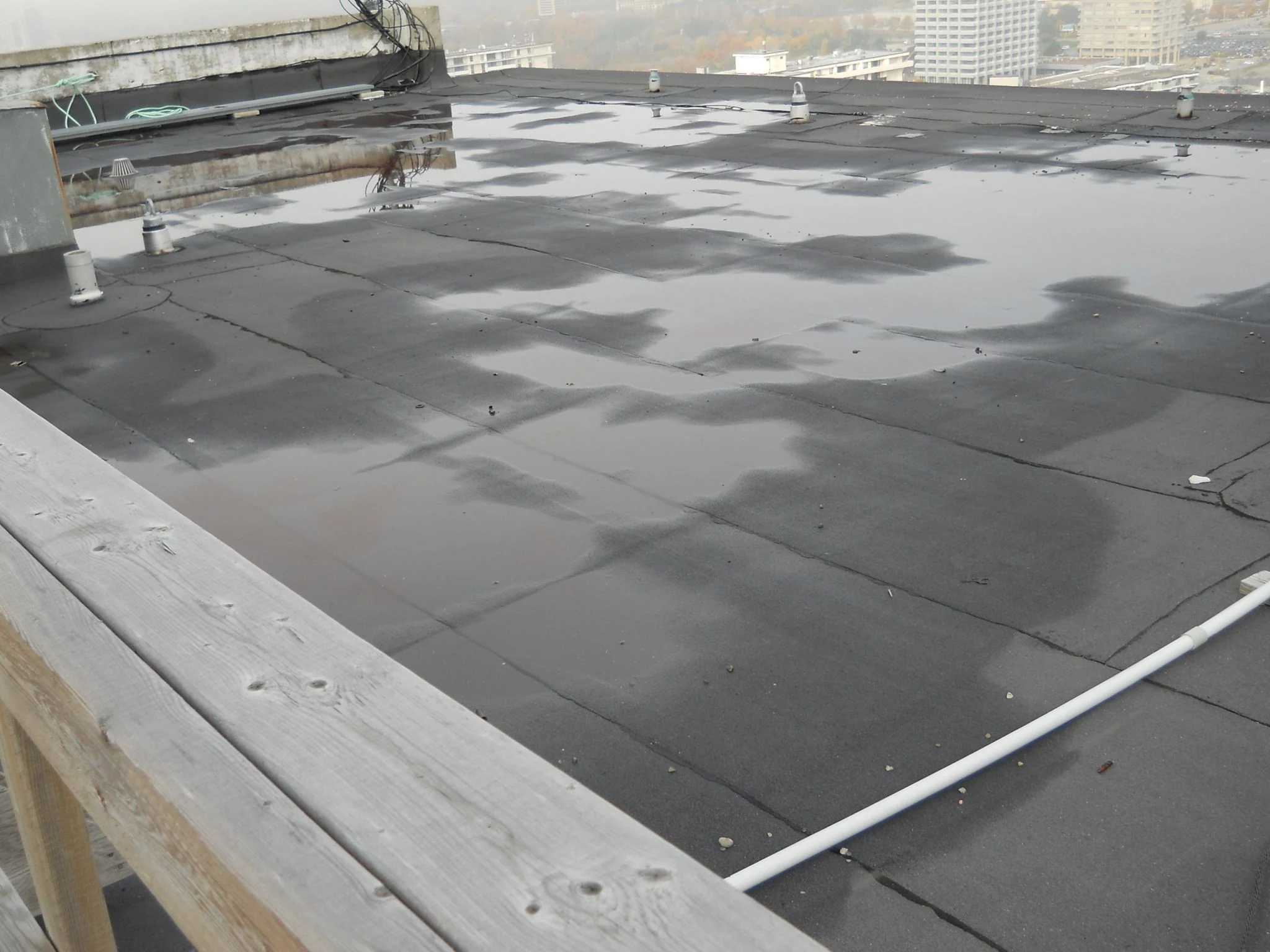
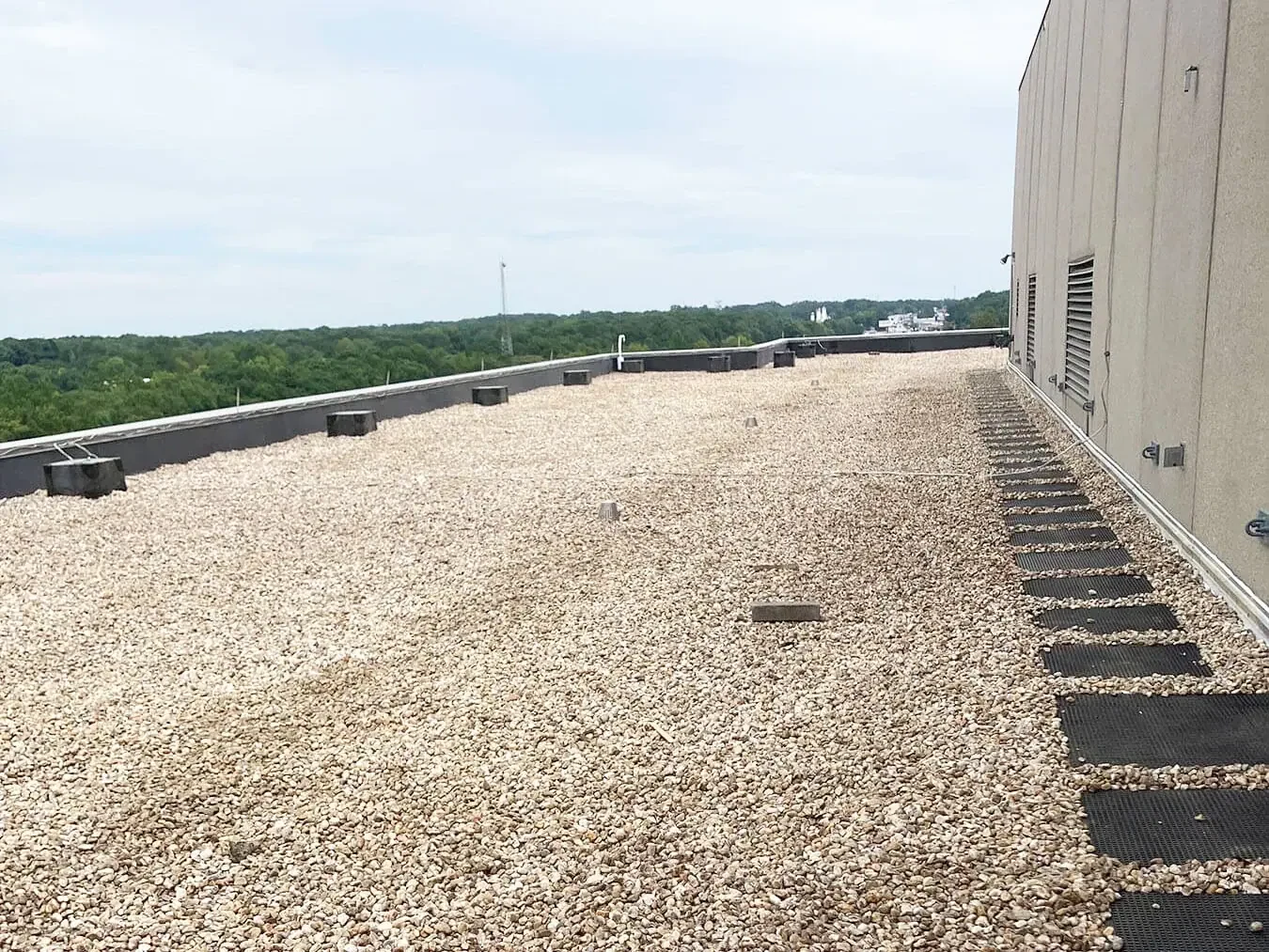
The Gulfport-Biloxi commercial stock isn't uniform, and claim scopes shouldn't be either. Casino and hotel roofs along the beachfront tend to carry heavier rooftop mechanical loads and more penetrations for kitchen exhaust, HVAC, and event-space equipment, all of which need individual attention in a damage assessment rather than a blanket membrane estimate. Port-adjacent warehouses and distribution buildings near the Port of Gulfport are often larger single-membrane roofs where a scope has to account for drainage across a wide, low-slope field rather than a handful of discrete failure points.
Salt air and near-constant humidity off the Sound also age fasteners, edge metal, and membrane seams faster here than in most inland markets, which matters when a carrier is weighing whether damage is storm-caused or pre-existing wear. We document baseline condition where we can so that distinction is clearer, not muddier, when a claim gets reviewed.
What We Don't Do
We're your roofing contractor, not a public adjuster, we document and substantiate the roof damage so you and your adjuster work from an accurate scope. We don't file the claim on an owner's behalf, we don't negotiate settlement value with the carrier, and we don't guarantee any particular payout or approval. What we control is the accuracy and completeness of the roof-condition record; what the carrier decides from there is between the owner and their insurer.
Commercial Roof Insurance Claim Questions
Does insurance cover commercial roof replacement?
It depends on the policy, the cause of loss, and the roof's condition before the event. Storm-caused damage to an otherwise sound roof is typically the strongest claim; pre-existing wear complicates the picture. We document condition and cause factually so the owner and their agent can work through coverage questions with accurate information.
What does the claim process look like from the roofing side?
We inspect and document damage, produce a written and photographed scope, and are available to walk the roof with the adjuster if the owner asks us to. The owner files the claim and works the approval process with their carrier directly.
What can we do if a claim comes back denied or underpaid?
Bring us the carrier's scope and we'll walk the roof again against it. If there's damage or scope items the original review missed, we document that gap in the same detail as the initial inspection so the owner has accurate information for whatever comes next.
Who decides whether a roof gets repaired or replaced?
We scope the actual extent of damage and give an honest recommendation based on what we find. The final decision on repair versus replacement, and how that fits within a claim settlement, rests with the owner in coordination with their carrier.
Do you file the claim or negotiate with the insurance company for us?
No. We document and substantiate roof damage. Filing the claim and negotiating settlement value are between the owner, their agent, and the carrier.
How long does a claim-ready inspection and documentation package take?
A single-roof inspection with full photo documentation and measurements is usually completed within a day of scheduling. Larger properties or multi-building portfolios take longer depending on total roof area.