Wind and Storm Damage Roof Insurance Claims in Gulfport, MS
Not every wind claim on this coast starts with a hurricane. A summer afternoon thunderstorm rolling off the Sound with a straight-line gust front, or the outer rain bands of a tropical system that never makes landfall as a named storm here, can do real damage to a low-slope commercial roof without ever triggering a named-storm deductible. Those claims run on standard wind coverage, and they deserve the same careful documentation as a hurricane claim, even though the policy mechanics are different.
The Wind Events That Actually Hit This Coast
Gulfport-Biloxi sees three distinct wind-damage patterns through a typical year. Severe thunderstorms with straight-line wind gusts move through regularly in spring and summer, sometimes producing wind speeds comparable to a moderate hurricane in a short, localized burst. Tropical remnants and weaker tropical systems that track through without a direct landfall still bring sustained wind and heavy rain bands capable of lifting marginal edge metal or peeling a seam that was already failing. And isolated severe cells can produce brief but intense wind loading on a single property while leaving neighboring buildings untouched.
Because these events don't carry the visibility of a major hurricane, owners sometimes underestimate the damage or delay getting a roof looked at. A roof that took a hard gust front hit on an otherwise quiet Tuesday afternoon gets the same thorough documentation from us as one that came through a named storm.
How a Standard Wind Claim Differs From a Named-Storm Claim
Wind damage from a non-named event typically falls under a policy's standard wind or all-other-perils deductible rather than the separate named-storm deductible that applies to hurricanes and tropical storms once they're officially designated. That distinction matters to the owner's bottom line, and it starts with correctly identifying the event: was this damage tied to a specific dated storm system, and can that system be confirmed against public weather records? We note the date and general nature of the weather event in our documentation so that question has a clear answer going into the claim.
What We Document on Wind and Storm Claims
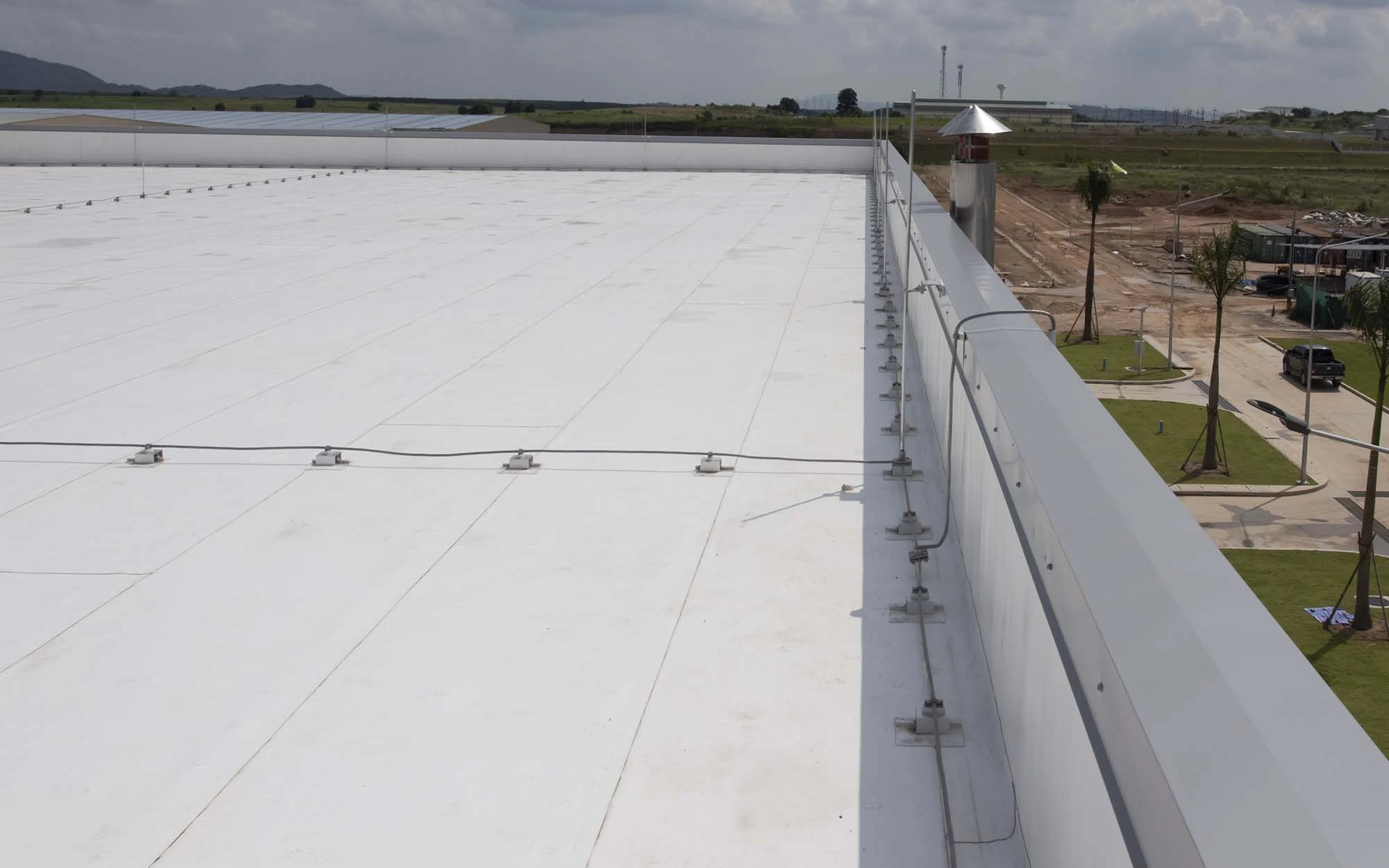
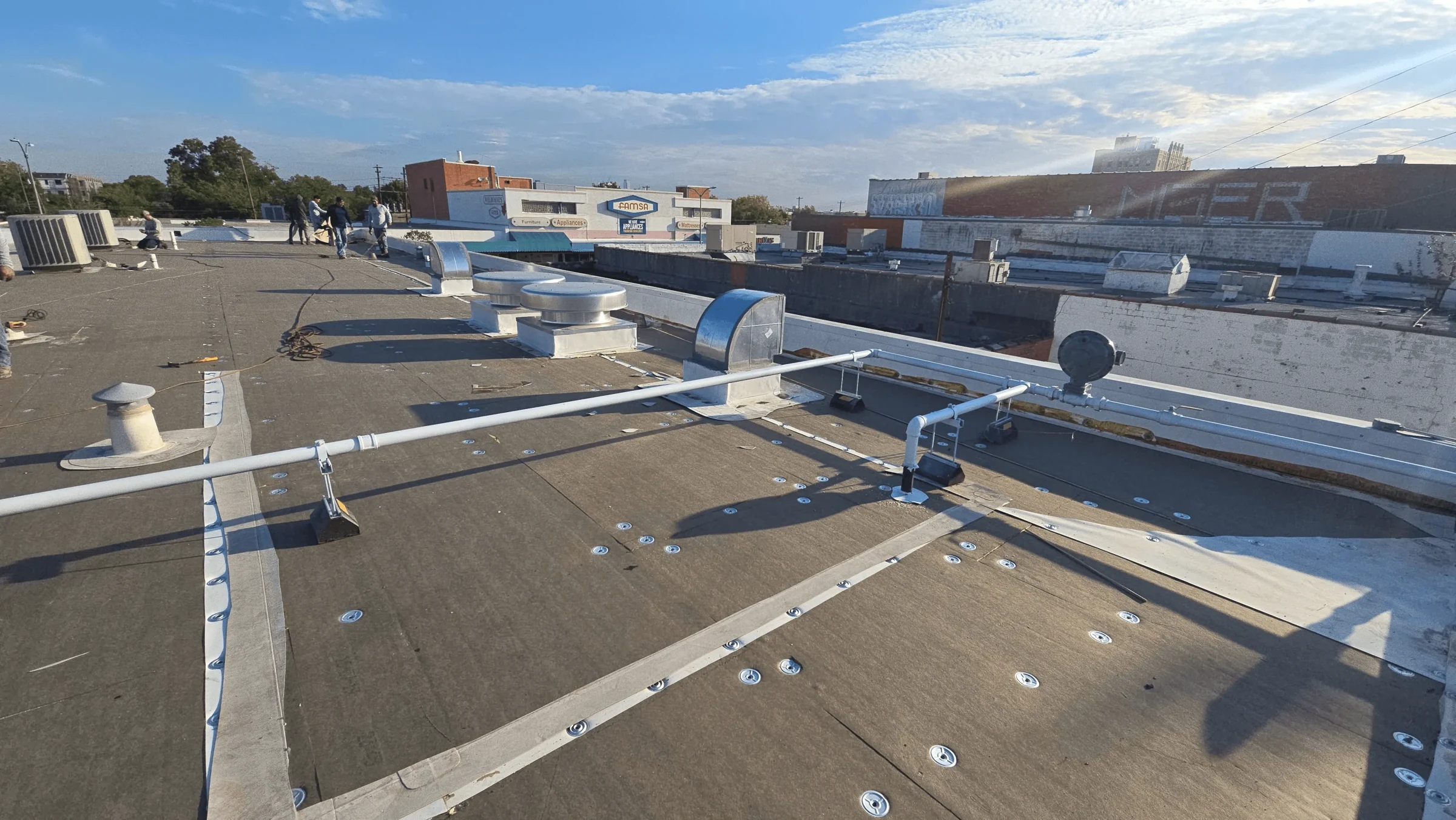
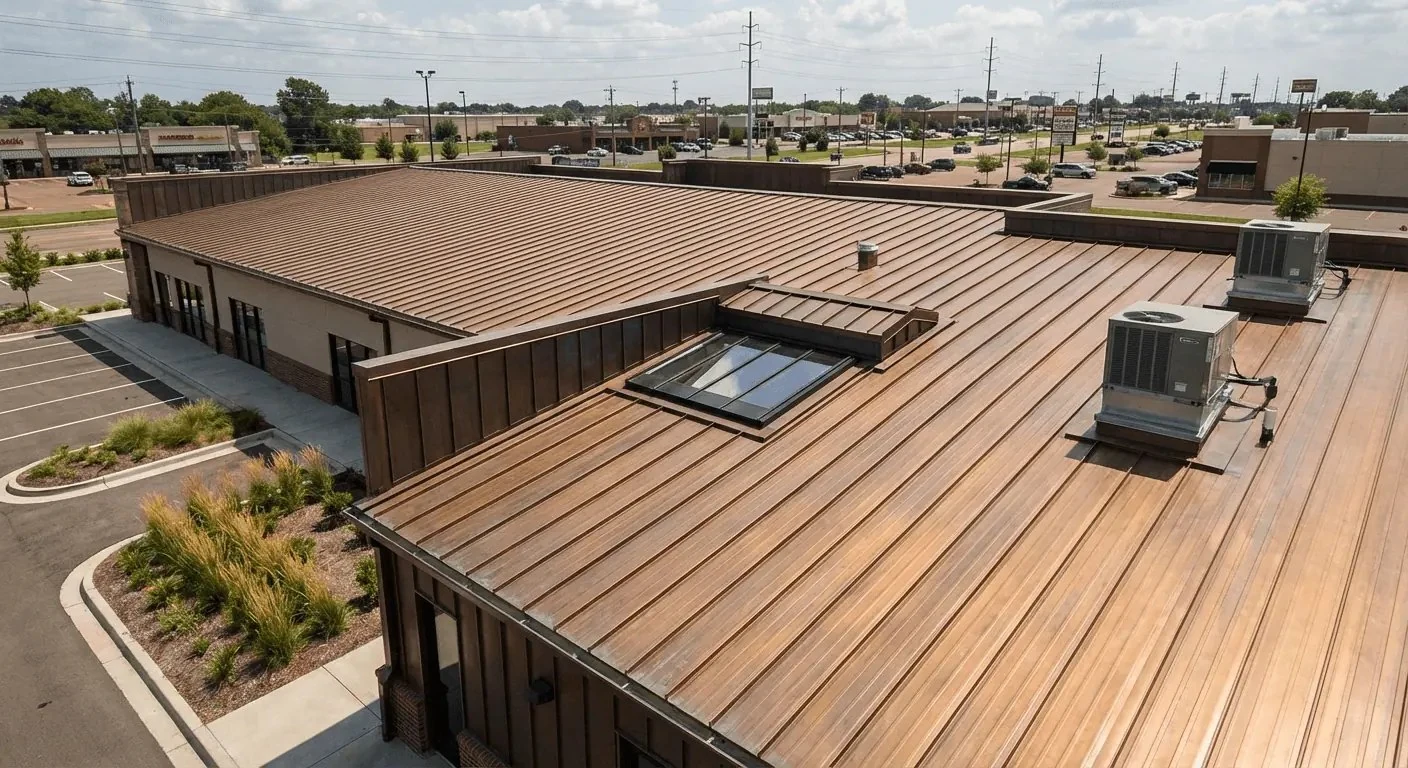
- Edge metal and perimeter flashing failure at corners, where uplift concentrates first
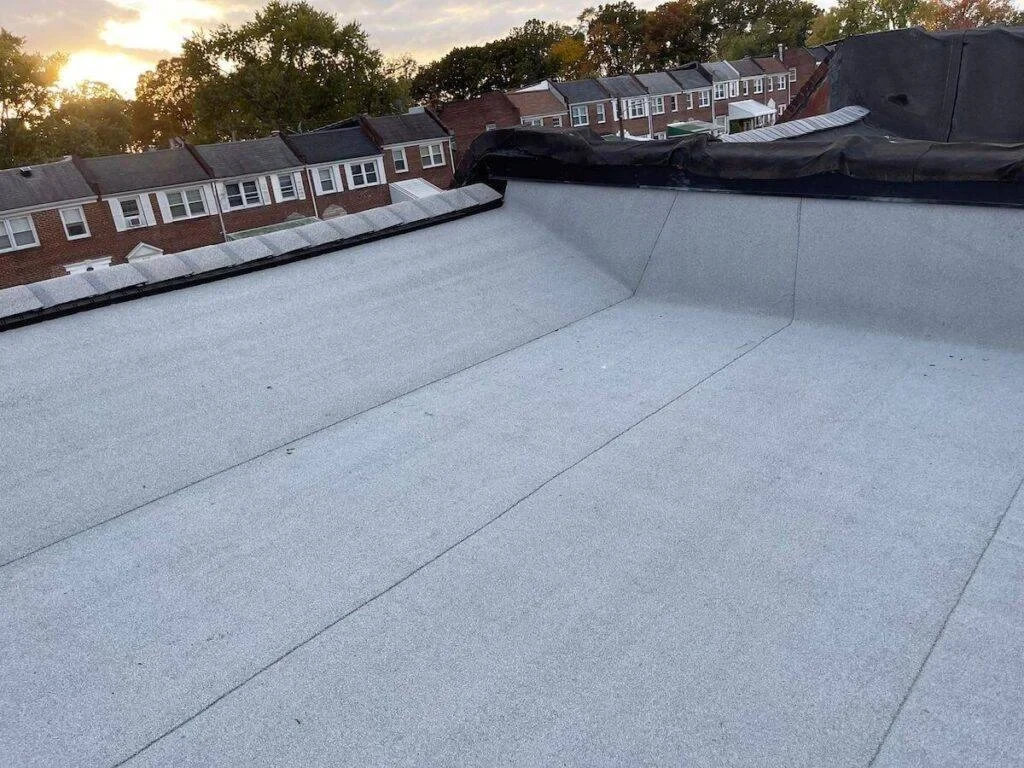
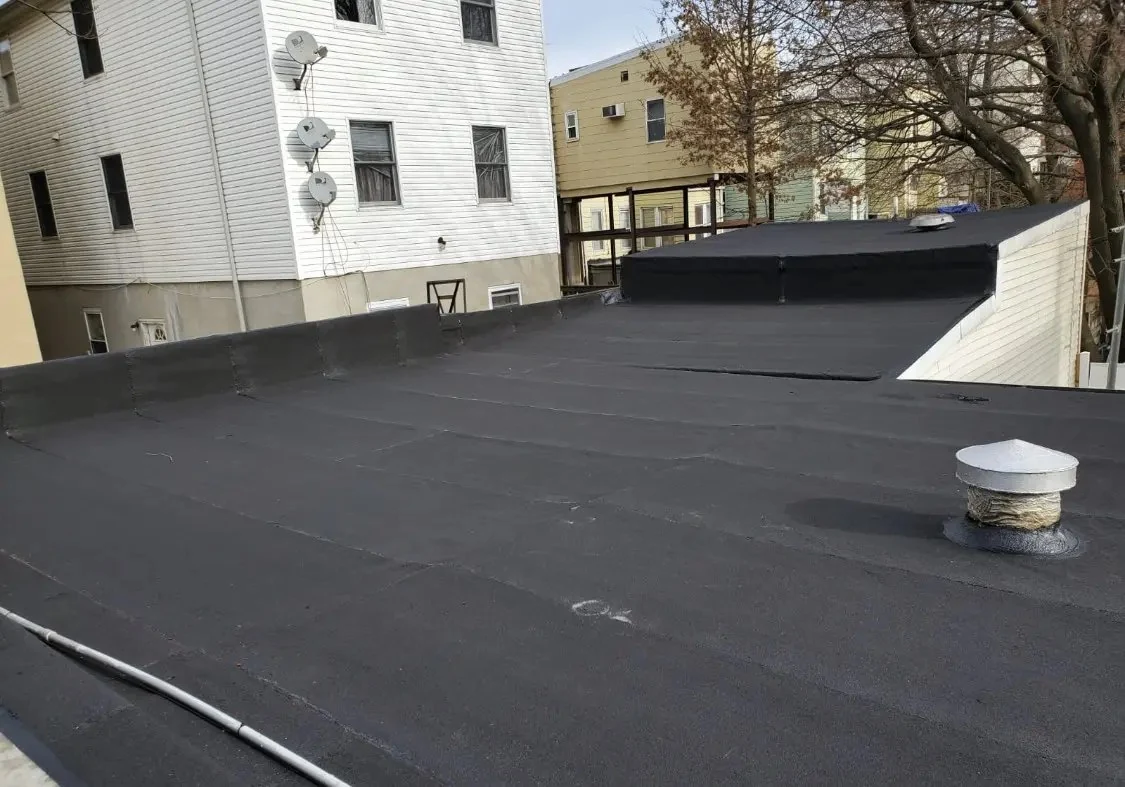
- Membrane tears, punctures, and lifted seams across the field
- Debris impact damage from wind-borne material
- Water intrusion tied to wind-driven rain during the event
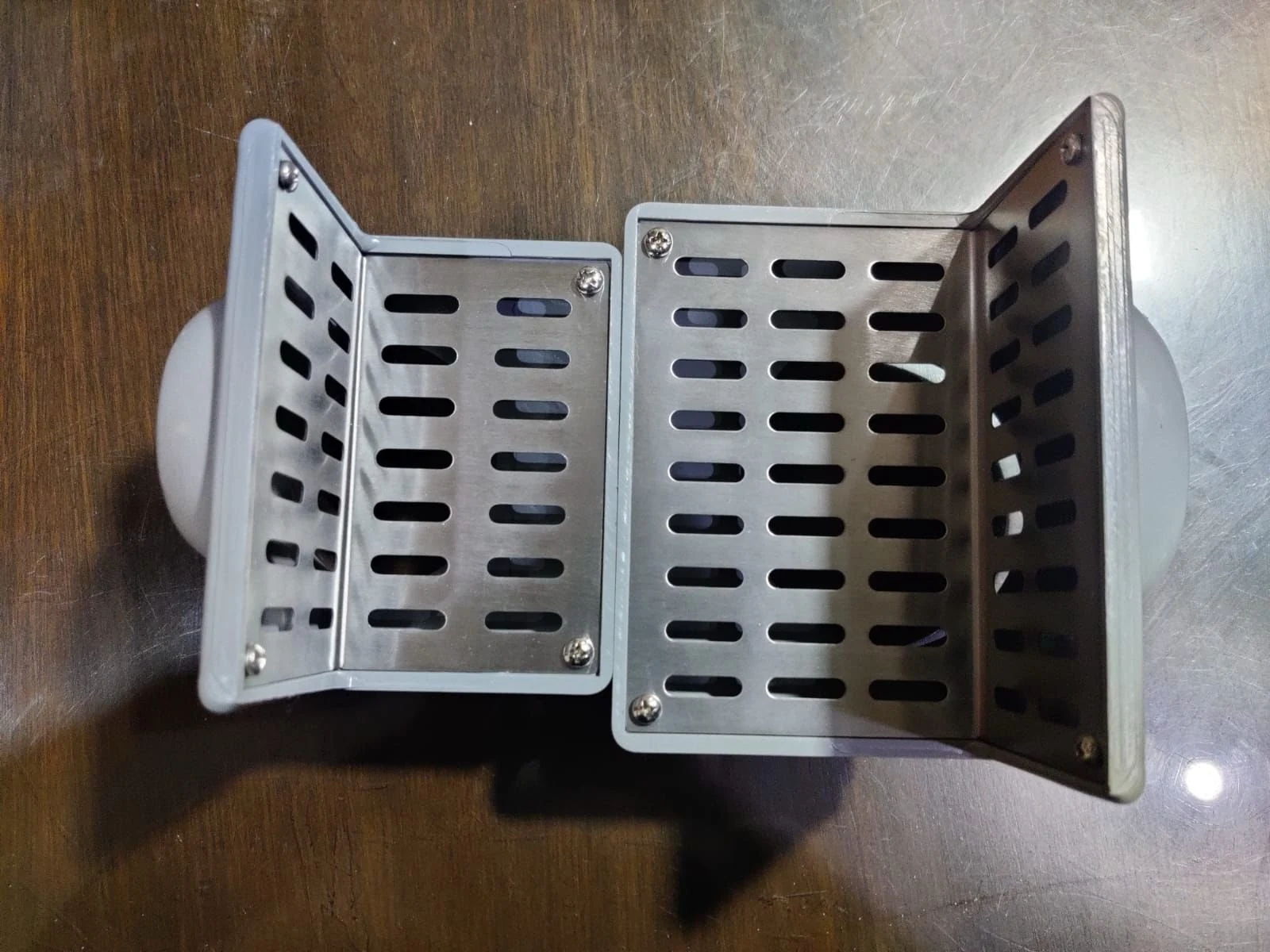
- Drainage blockage from storm debris
- Rooftop unit anchoring and curb condition after high-wind exposure
Wind-Borne Debris Region Requirements
Coastal Mississippi falls within a wind-borne debris region under current building code, which means commercial re-roofing and repair work in this area is subject to specific fastening, edge-securement, and impact-resistance standards beyond what an inland building would require. When storm damage triggers a repair or partial replacement, we scope the work to meet those current code requirements rather than simply matching what was there before, and we itemize that as a code-upgrade line in the claim documentation since it's a legitimate, code-driven cost the owner shouldn't have to absorb.
Repeated Wind Events in a Single Season
Some seasons bring one significant wind event past this coast. Others bring several straight-line wind storms and tropical passes within a matter of weeks, and a roof that took cosmetic damage from the first event can be genuinely compromised by the second if repairs haven't caught up in between. We track cumulative roof condition through an active season and document each event separately, since insurers generally require damage tied to a specific dated occurrence rather than a blended account of a rough season.
Wind and Storm Damage Claim Questions
How is a straight-line wind claim different from a hurricane claim?
Straight-line wind and non-named tropical systems typically fall under a policy's standard wind deductible rather than the separate named-storm deductible that applies once a system is officially designated as a named storm. Coverage details vary by policy.
Can a single thunderstorm cause a legitimate insurance claim?
Yes. A strong gust front can produce localized wind speeds high enough to lift edge metal or tear membrane, even on a roof that looks fine from the ground the next day. We've documented storm-caused damage from single-cell thunderstorms that owners initially assumed was too minor to pursue.
How do you confirm the damage was actually storm-caused?
We document the physical damage pattern, direction of membrane displacement, debris found on-site, timing relative to the reported event, and cross-reference against the dated weather event. That combination is what an adjuster typically needs to connect the damage to a covered peril.
What is a wind-borne debris region and does it affect my claim?
It's a building-code designation for coastal areas requiring enhanced fastening and impact-resistance standards on roofing work. When repair or replacement work in this zone must meet current code requirements the original roof didn't have, that upgrade cost is a legitimate, separately itemized part of the claim scope.
Do you coordinate with our adjuster on wind claims the same way as hurricane claims?
Yes. We document the damage, are available to meet the adjuster on the roof, and provide factual answers about what we found. We don't negotiate the claim or represent the owner in settlement discussions.